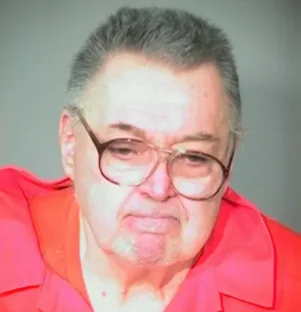
1933 - 2006
Summary
Name:
John Albert HincheyYears Active:
1985Birth:
May 10, 1933Status:
DeceasedClass:
MurdererVictims:
1Method:
StabbingDeath:
May 22, 2006Nationality:
USA1933 - 2006
Summary: Murderer
Name:
John Albert HincheyStatus:
DeceasedVictims:
1Method:
StabbingNationality:
USABirth:
May 10, 1933Death:
May 22, 2006Years Active:
1985“Couldn’t take it any more.”
— John Albert Hinchey
John Albert Hinchey was born on May 10, 1933. By 1985, Hinchey had lived for approximately 12 years with Marlyn Bechtel, his longtime partner. Marlyn had two daughters from a previous marriage. Court records state that Hinchey and Marlyn often argued about her daughters. Their household conflict became central to the events that led to the killing of Marlyn’s 17-year-old daughter, Tammy Bechtel.
Before the murder, Hinchey had a documented history of conflict involving Tammy. During pretrial proceedings, the State sought to introduce evidence that he had attacked Tammy with a hammer about 14 months before her death. The trial court allowed the evidence, and the Arizona Supreme Court later held that it was admissible because Hinchey had raised an insanity defense and claimed alcohol-induced psychosis.
Hinchey initially entered into a plea agreement in which he would plead guilty to Tammy’s murder and the attempted murder of Marlyn in exchange for the State not seeking the death penalty. Under that original agreement, he received a life sentence for the murder and a consecutive 21-year sentence for the attempted murder. He later sought post-conviction relief, arguing that his request to withdraw his plea had been improperly denied. The court granted relief, vacated the plea-based convictions and sentences, and reinstated the original charges.
In the early morning hours of September 29, 1985, John Albert Hinchey and Marlyn Bechtel argued about her daughters. According to the Arizona Supreme Court record, Marlyn went downstairs to sleep in a chair after the argument, but Hinchey followed her and continued the dispute. He then pulled out a pistol he had purchased the day before and shot Marlyn four times.
After shooting Marlyn, Hinchey went to the locked bedroom of Marlyn’s 17-year-old daughter, Tammy Bechtel. Tammy was asleep in the room, and her infant son was also sleeping nearby. Hinchey kicked open the bedroom door and shot Tammy twice in the face. Tammy’s infant son was not physically harmed.
Marlyn survived the initial shooting and managed to get outside. Hinchey followed her, caught her, and beat her with the pistol until part of the gun broke. He then beat her head against rocks. After leaving Marlyn outside, he returned to Tammy’s bedroom. When he heard Tammy moaning, he struck her in the head and face with a glass bottle until it shattered. When Tammy continued to moan, Hinchey went to the kitchen, got a knife, returned to the bedroom, and stabbed her repeatedly, leaving the knife in her abdomen. Tammy died from the attack, while Marlyn survived.
After the attack, Hinchey drove to a police station, surrendered, and gave a taped confession. He was charged with first-degree murder for Tammy’s death and attempted first-degree murder for the attack on Marlyn. His original guilty plea was later set aside after he successfully challenged the denial of his request to withdraw it. Once the original charges were reinstated, the case proceeded to a jury trial in 1987.
At trial, Hinchey presented an insanity defense, claiming alcohol-induced psychosis. He did not testify on his own behalf. The jury convicted him of first-degree murder and attempted first-degree murder. The trial court sentenced him to death for Tammy’s murder and imposed an aggravated 21-year prison sentence for the attempted murder of Marlyn.
In 1990, the Arizona Supreme Court affirmed Hinchey’s murder conviction but vacated the death sentence and remanded the case for resentencing. The court ruled that one aggravating circumstance had been improperly applied because his prior endangerment conviction did not legally qualify as a felony involving the use or threat of violence under the death penalty statute. The court also vacated the finding that the murder was “especially cruel” under Arizona’s legal definition, but it upheld the finding that the murder was especially heinous or depraved.
On resentencing, Hinchey was again sentenced to death. In 1995, the Arizona Supreme Court reviewed the new death sentence and affirmed it. The court rejected Hinchey’s double-jeopardy argument, explaining that his original plea agreement had made the death penalty unavailable at that stage, so the first life sentence was not an acquittal of the death penalty.
John Albert Hinchey remained under a death sentence but was not executed. Compiled offender records state that he died in prison on May 22, 2006. The checked sources did not provide a confirmed cause of death.
