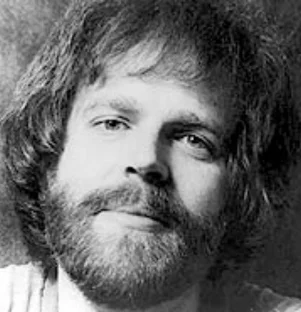
1949 - 1988
Summary
Name:
Gerald Francis HarveyNickname:
Jerry HarveyYears Active:
1988Birth:
October 28, 1949Status:
DeceasedClass:
MurdererVictims:
1Method:
ShootingDeath:
April 09, 1988Nationality:
USA1949 - 1988
Summary: Murderer
Name:
Gerald Francis HarveyNickname:
Jerry HarveyStatus:
DeceasedVictims:
1Method:
ShootingNationality:
USABirth:
October 28, 1949Death:
April 09, 1988Years Active:
1988“Think of Z Channel as the Museum of Modern Art, but with a sense of humor.”
— Gerald Francis Harvey
Gerald Francis Harvey, better known as Jerry Harvey, was an American screenwriter, film programmer, and cable television executive connected to the Los Angeles film community. He was born on October 28, 1949, in Bakersfield, California. Public accounts describe him as being raised in a strict and difficult family environment, and later reports about his life often connected his childhood and family history to the personal struggles he experienced as an adult.
Harvey became deeply interested in films at a young age. Cinema became one of the central parts of his life, and by the time he reached adulthood, he had developed a strong knowledge of classic, foreign, independent, and rarely screened films. He later attended the University of California, Los Angeles, where he became involved in film culture and met people who would become part of his professional circle.
During the 1970s, Harvey became close friends with Douglas Venturelli. The two worked together on screenplays, including the western film China 9, Liberty 37, directed by Monte Hellman. The film was Harvey’s best-known screenwriting credit, although it did not bring him wide recognition as a screenwriter in the United States. Harvey’s professional reputation grew more strongly through film programming than through produced screenplays.
Before his work at Z Channel, Harvey programmed films at the Beverly Canon Theater in Los Angeles. There, he built a reputation for selecting unusual, important, and sometimes overlooked films. One of his most noted early programming achievements was the screening of Sam Peckinpah’s director’s cut of The Wild Bunch. Peckinpah personally attended the screening, and the event helped strengthen Harvey’s connection to filmmakers and serious film audiences.
Harvey later worked with SelecTV before joining Z Channel, a Los Angeles-based pay television service that began in 1974. Z Channel served an audience that included many people in the film industry. When Harvey became a major programming figure at the channel, he used it to promote foreign films, independent films, director’s cuts, silent films, westerns, and other titles that were not always easy for viewers to see elsewhere.
By the early 1980s, Harvey had become one of the main creative forces behind Z Channel. He was known for treating film programming as a serious cultural project rather than only a television scheduling job. He helped bring attention to longer or restored versions of films, including Michael Cimino’s Heaven’s Gate, Bernardo Bertolucci’s 1900, Sergio Leone’s Once Upon a Time in America, and Sam Peckinpah’s Pat Garrett & Billy the Kid. His work influenced filmmakers, critics, and viewers who later credited Z Channel with expanding access to films that had been edited, neglected, or misunderstood.
Harvey’s personal life was more troubled than his professional reputation suggested. Reports about his life described a history of depression, alcohol abuse, family loss, and difficult relationships. His sister Ann died by suicide in 1978, and another older sister was reported to have disappeared and was presumed dead. Harvey’s marriage to photographer and filmmaker Vera Anderson ended in divorce in 1984. He later married Frederica “Deri” Rudulph in February 1986.
Deri Rudulph was a publisher connected to the Westwood Insider and was also described in reports as an attorney, former stand-up comedian, photographer, and local newspaper publisher. She and Harvey remained married until April 9, 1988, when their relationship ended in a murder-suicide at their home in Westwood, Los Angeles.
On April 9, 1988, Jerry Harvey shot and killed his wife, Frederica “Deri” Rudulph, inside their home in Westwood, Los Angeles, California. Rudulph was Harvey’s wife and was reported in different sources as being 38 or 39 years old at the time of her death.
The killing occurred during a period of professional and personal pressure in Harvey’s life. Z Channel had recently undergone major changes, including a move away from its original all-film identity toward a film-and-sports format. Public reports later described Harvey as being under severe stress during this period. However, no single confirmed motive was legally established because Harvey died before he could be questioned, charged, or tried.
According to published accounts, Rudulph was found dead in the kitchen area of the couple’s home. She had been shot. Harvey was found in another room with the gun nearby after shooting himself. Reports state that after killing Rudulph, Harvey turned the weapon on himself and died by suicide the same day.
Because Harvey died at the scene, there was no arrest, criminal trial, conviction, or sentencing. His legal status was never resolved in court. The case is therefore recorded as a murder-suicide rather than a prosecuted homicide case.
The murder also became closely connected to later discussions of Z Channel because Harvey had been one of the channel’s most important creative figures. In 2004, Xan Cassavetes directed the documentary Z Channel: A Magnificent Obsession, which examined both the cultural influence of Z Channel and the circumstances surrounding Harvey’s life and death. The documentary included interviews with people who knew Harvey or were influenced by his work, including filmmakers and film critics who discussed his role in promoting director’s cuts and rare films.
Although Harvey’s work in film programming had a lasting impact on Los Angeles film culture, his final act was the murder of Deri Rudulph followed by his suicide. The case remains documented as a domestic homicide and murder-suicide that occurred on April 9, 1988, in Westwood, Los Angeles, California.
