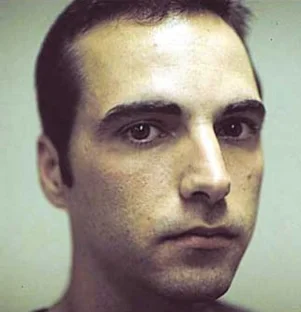
b: 1974
Summary
Name:
Jeremy SheetsYears Active:
1992Birth:
May 08, 1974Status:
ReleasedClass:
MurdererVictims:
1Method:
StabbingNationality:
USAb: 1974
Summary: Murderer
Name:
Jeremy SheetsStatus:
ReleasedVictims:
1Method:
StabbingNationality:
USABirth:
May 08, 1974Years Active:
1992Date Convicted:
September 26, 1997“I’ve never killed anybody.”
— Jeremy Sheets
Jeremy Sheets was born on May 8, 1974. He grew up in a family in Nebraska. There is not much public information about his early childhood or family life. However, it is noted that he had a close friendship with Adam Barnett during his teen years.
As a young man, Sheets spent time in Omaha, where he attended school. He was known to have issues in his personal life, but details about his education and high school experiences are not widely documented. Reports suggest that Sheets had a complicated social life, which may have included some conflicts with peers.
After years of legal battles, he faced a conviction that was later overturned, leading to his release from prison in June 2001.
On September 23, 1992, Kenyatta Bush, a 17-year-old honor student, was kidnapped outside Omaha North High School in Nebraska. Later, her body was discovered in a wooded area. She had been violently attacked. Authorities found that she had suffered severe injuries, including a stab wound that proved to be fatal.
In the investigation that followed, a man named Adam Barnett claimed that he and Jeremy Sheets were responsible for the crime. Barnett said that they had a motive tied to racial animosity, claiming they wanted revenge on black men because of their feelings towards interracial relationships. He stated that they had decided to attack a black woman.
After giving a taped confession to the police, Barnett implicated Sheets in the crime. However, before Sheets could stand trial, Barnett died by suicide in jail. This left Sheets in a difficult position, as he could not cross-examine Barnett to challenge his claims during the trial.
In 1997, Sheets was convicted and sentenced to death based largely on Barnett's confession. His conviction was initially seen as solid by prosecutors. However, in 2000, the Nebraska Supreme Court ruled that the confession was unreliable because Sheets could not confront Barnett in court. Without Barnett's statement, prosecutors said they lacked sufficient evidence to retry Sheets.
On June 13, 2001, Sheets was released from prison when prosecutors announced they would not retry his case. He became the first person to walk free from Nebraska's death row in 88 years.
