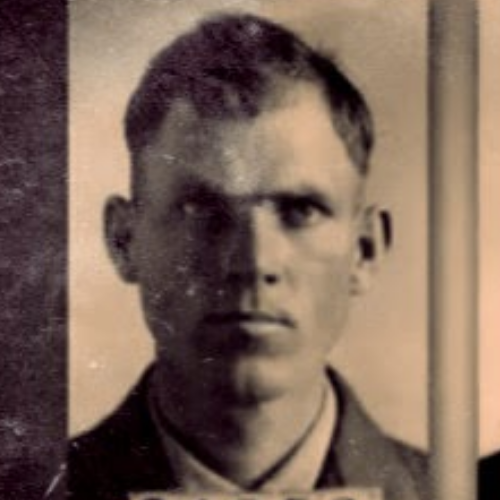
d: 1932
Summary
Name:
Jennings YoungNickname:
Jinx / Young TriumvirateYears Active:
1920 - 1932Status:
DeceasedClass:
Mass MurdererVictims:
6Method:
ShootingDeath:
January 05, 1932Nationality:
USAd: 1932
Summary: Mass Murderer
Name:
Jennings YoungNickname:
Jinx / Young TriumvirateStatus:
DeceasedVictims:
6Method:
ShootingNationality:
USADeath:
January 05, 1932Years Active:
1920 - 1932“We’re dead—come on in.”
— Jennings Young
Jennings Young, often referred to by the nickname “Jinx,” was one of the three Young brothers known to law enforcement in southwest Missouri during the 1920s. Like his brothers, Jennings engaged in burglary, theft, and automobile crimes and served time in both state and federal prisons. While the trio earned a reputation as persistent criminals, Jennings was not initially believed to be prone to violence.
Following the 1929 killing of City Marshal Mark Noe by Harry Young, Jennings fled Missouri and lived under assumed names in Texas. During this period, he assisted in the operation of an interstate auto theft ring that brought the brothers considerable illicit income. Despite years on the run, Jennings remained closely connected to his family, eventually returning with Harry to Missouri in late 1931.
On January 2, 1932, Jennings Young participated in the armed confrontation now known as the Young Brothers Massacre. When law enforcement officers attempted to arrest the brothers at their family farm near Brookline, Jennings helped initiate a sustained gun battle from inside the house.
Using a shotgun and rifle, Jennings and his accomplice fired repeatedly at exposed officers, killing six law enforcement personnel. After the shootout, Jennings helped strip weapons and money from the bodies before fleeing the scene with Harry.
Three days later, police tracked the brothers to Houston, Texas. After refusing to surrender and exchanging gunfire with officers, Jennings was found dead inside a bathroom from a gunshot wound. Authorities concluded he and Harry had killed each other in a suicide pact to avoid capture, though the precise circumstances remain debated.
Jennings Young’s actions on January 2, 1932, contributed directly to the deadliest single loss of U.S. law enforcement officers in the 20th century and permanently altered police tactics nationwide.
