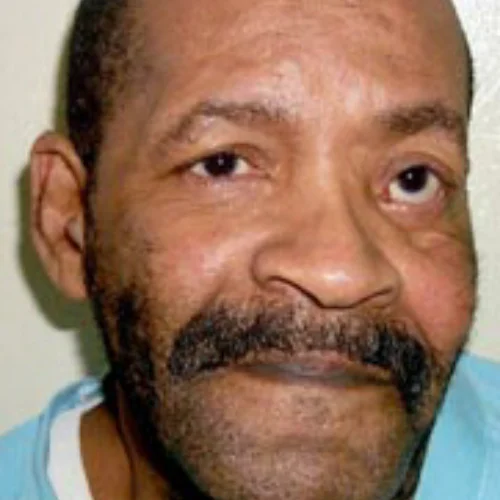
1945 - 2004
Summary
Name:
James Edward ReidYears Active:
1996Birth:
October 10, 1945Status:
ExecutedClass:
MurdererVictims:
1Method:
Stabbing / Beating / StrangulationDeath:
September 09, 2004Nationality:
USA1945 - 2004
Summary: Murderer
Name:
James Edward ReidStatus:
ExecutedVictims:
1Method:
Stabbing / Beating / StrangulationNationality:
USABirth:
October 10, 1945Death:
September 09, 2004Years Active:
1996Date Convicted:
December 3, 1997“I forgive you because God has forgiven me.”
— James Edward Reid
James Edward Reid was born on October 10, 1945, in Charlottesville, Virginia. As a child, Reid faced several challenges that impacted his life. He had difficulties with learning and his IQ was reported to be around 79, which reflected cognitive impairments. This affected his educational and social experiences.
At the age of 23, Reid was involved in a serious car accident in 1968. He sustained a significant head injury that led to a coma lasting at least five days. This injury impaired various functions of his brain, affecting his personality and impulse control. After the accident, Reid began experiencing seizures, which complicated his condition.
Reid also struggled with alcoholism. He exhibited binge drinking behavior, often consuming large amounts of alcohol, particularly after he received his disability check. His alcohol use contributed to various social issues, including difficulties in maintaining employment and relationships.
Throughout his life, Reid was admitted to psychiatric hospitals multiple times, highlighting ongoing mental health challenges. He often had violent outbursts, particularly when intoxicated, and many family members noted that he was a different person when sober—calm and kind, but aggressive and unpredictable when drinking.
Despite his struggles, Reid had periods where he would engage with the community, such as doing odd jobs for local residents. He was known to visit friends and sometimes performed tasks for them, including working for Annie Lester, an elderly woman whom he knew prior to the events that led to his later criminal charges.
Reid's life was marked by a combination of personal struggles, including brain damage from his accident, alcohol dependency, and mental health issues. These factors played a significant role in shaping his adult experiences and relationships.
On October 12, 1996, James Edward Reid murdered 87-year-old Annie Lester in her home in Montgomery County, Virginia. The crime scene was horrific. Annie Lester's body was discovered in her bedroom, showing signs of extreme violence. An autopsy revealed she had been stabbed 22 times with scissors. The wounds caused significant damage, with one puncturing her lung and another her heart. In addition to the stab wounds, she had been struck on the head with a can of condensed milk. There was evidence of strangulation as well, with her hyoid bone being fractured.
The details of the murder were chilling. A trail of blood led from the kitchen to the bedroom. Forensic analysis indicated that Annie had been attacked in the kitchen, where she was hit on the head before being dragged to the bedroom. Once there, she was stabbed multiple times with scissors. Evidence showed that Reid was acquainted with Annie. He had received a ride to her house that morning and bought a bottle of wine on the way.
Later that day, Reid was seen leaving the area, drunk and covered in blood. Witnesses noted that he smelled of alcohol. Blood found on Reid's clothing matched Annie's DNA, providing damning evidence against him. His fingerprints and saliva were also discovered at the crime scene. Reid was taken into custody after this evidence pointed to his involvement in the murder.
As the trial progressed, Reid entered an Alford plea, which allowed him to plead guilty without admitting guilt while acknowledging the prosecution had enough evidence for conviction. In 1997, he was convicted of capital murder, attempted rape, and attempted robbery. The court noted the murder's "vileness," which contributed to his death sentence.
Reid was executed by lethal injection on September 9, 2004. His final statement expressed forgiveness while also addressing the actions of those involved in his execution.
