d: 1941
Summary
Name:
James Bernard McNamaraNickname:
J. B. McNamara / JBYears Active:
1909 - 1911Status:
DeceasedClass:
Mass MurdererVictims:
21Method:
BombingDeath:
March 08, 1941Nationality:
USAd: 1941
Summary: Mass Murderer
Name:
James Bernard McNamaraNickname:
J. B. McNamara / JBStatus:
DeceasedVictims:
21Method:
BombingNationality:
USADeath:
March 08, 1941Years Active:
1909 - 1911Date Convicted:
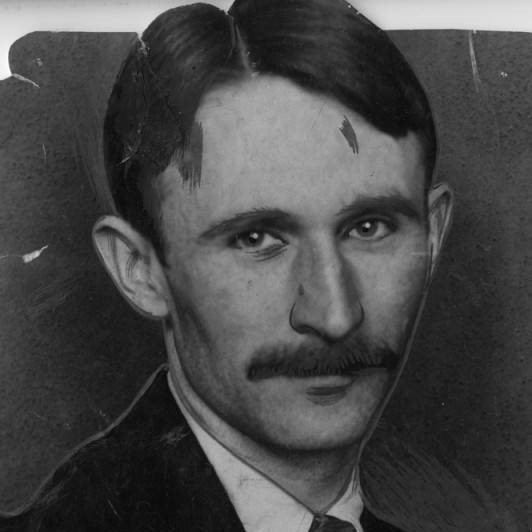
December 1, 1911James Bernard McNamara was born in 1882 in the United States into an Irish‑American working‑class family. Little is definitively documented about his early childhood, though he grew up during a period of intense industrial conflict in America, when labor unions and corporate interests frequently clashed over wages, working conditions, and the legitimacy of organized labor.
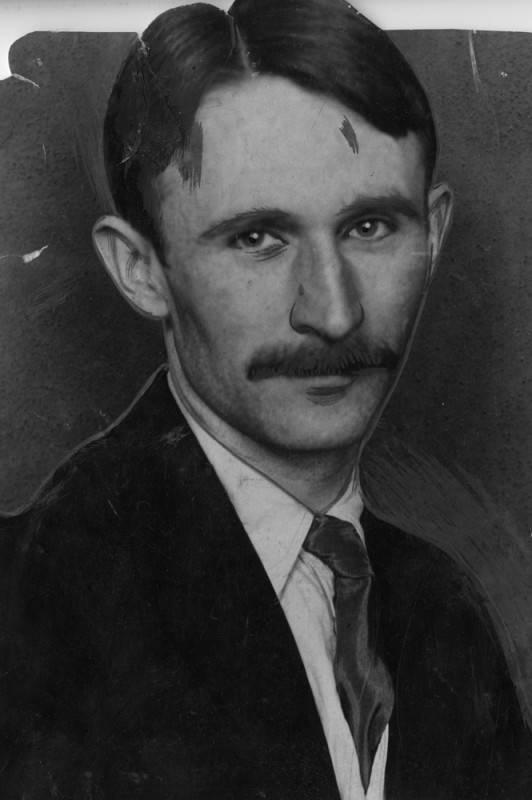
McNamara became closely involved with the labor movement at the turn of the twentieth century, aligning himself with the International Association of Bridge and Structural Iron Workers (IW). His older brother, John J. McNamara, rose to prominence within the union, serving as its secretary‑treasurer. James, though less publicly visible, developed a reputation as a skilled technician with a particular aptitude for explosives and mechanical devices.
By the late 1900s, McNamara had become an experienced “dynamiter,” capable of constructing time‑delayed explosive devices using clock mechanisms. His activities coincided with the rise of the National Erectors’ Association, a coalition of steel manufacturers formed to promote the open‑shop system and suppress unionization.
Within union circles, McNamara was regarded as a dedicated operative willing to carry out extreme measures in defense of labor interests. However, his actions increasingly crossed from protest into violence. Between 1909 and 1911, McNamara participated in a campaign of bombings targeting open‑shop businesses and industrial facilities, often operating clandestinely across multiple states.
On October 1, 1910, using a time bomb constructed with dynamite and a clock‑trigger mechanism, James B. McNamara planted the device inside the newspaper’s headquarters in downtown Los Angeles. The Times was widely viewed as a vocal opponent of organized labor and a champion of the open‑shop movement.
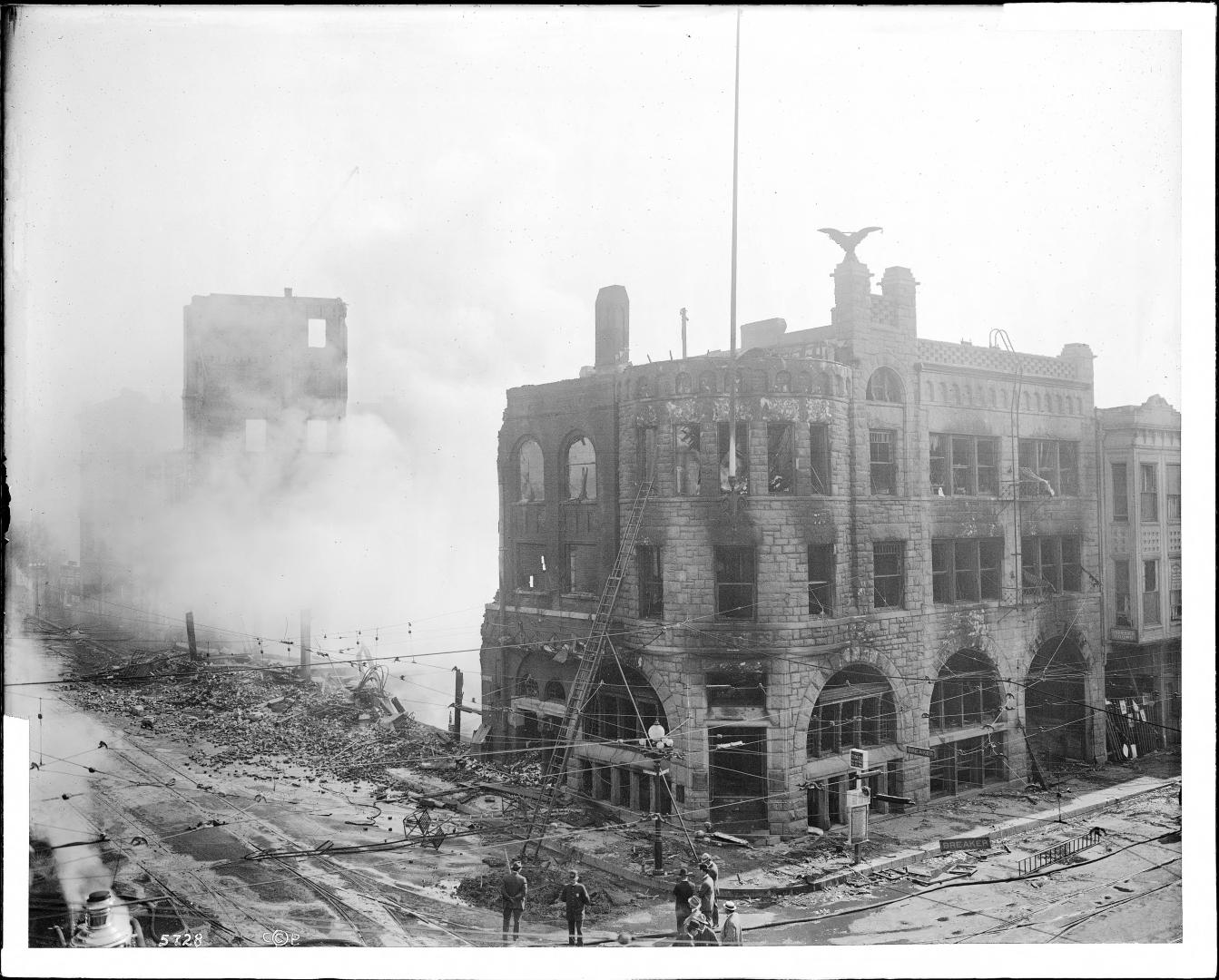
The explosion destroyed the building and ignited a fire that swept through the structure, killing 21 people, most of whom were newspaper employees working the overnight shift. The blast shocked the nation and intensified public scrutiny of labor militancy, fueling widespread backlash against unions.
Following the bombing, McNamara fled California, traveling through Salt Lake City and eventually to Chicago. Despite his efforts to evade capture, the National Erectors’ Association hired private detective William J. Burns to identify and apprehend those responsible. Burns’ investigation led to the arrest of Ortie McManigal, an associate of McNamara, who later confessed and implicated both James and John McNamara in multiple bombings.
James B. McNamara was arrested in Toledo, Ohio, on April 12, 1911. His brother John was arrested separately. The American Federation of Labor organized a high‑profile legal defense, retaining renowned attorney Clarence Darrow. Union leaders initially insisted that the brothers were innocent and claimed that the bombing had been staged to discredit organized labor.
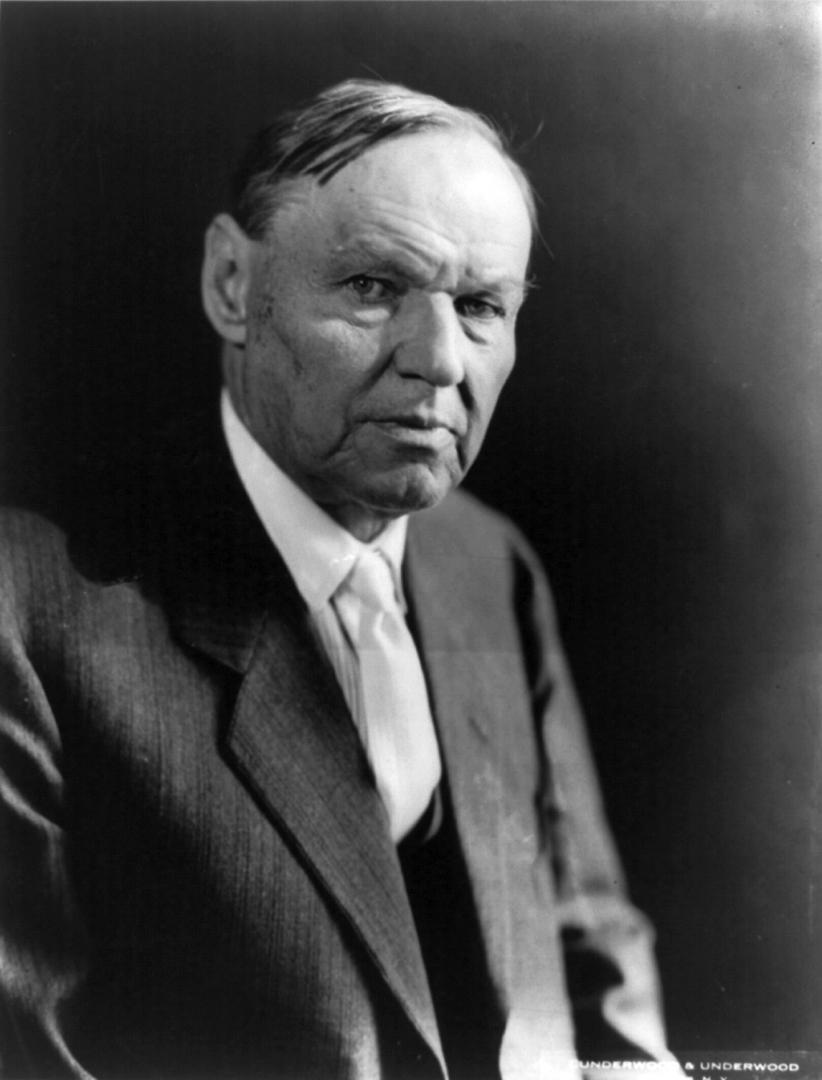
The trial began in the fall of 1911 and quickly became one of the most closely watched legal proceedings of the era. As evidence mounted and McManigal testified for the prosecution, Darrow advised both brothers to change their pleas. On December 1, 1911, James B. McNamara pleaded guilty to murder and was sentenced to life imprisonment. His brother received a lesser sentence of 15 years.
McNamara served his sentence at San Quentin State Prison. While incarcerated, labor activists and civil‑liberties groups periodically campaigned for his release, portraying him as a political prisoner. Despite these efforts, he was never pardoned.
James B. McNamara died in prison on March 8, 1941. He was buried at Mount Tamalpais Cemetery in San Rafael, California.
