b: 1949
Summary
Name:
James Allen KinneyNickname:
Tug Boat / Jerome Romano PorrovecchioYears Active:
1998Birth:
September 11, 1949Status:
ImprisonedClass:
MurdererVictims:
1Method:
BeatingNationality:
USAb: 1949
Summary: Murderer
Name:
James Allen KinneyNickname:
Tug Boat / Jerome Romano PorrovecchioStatus:
ImprisonedVictims:
1Method:
BeatingNationality:
USABirth:
September 11, 1949Years Active:
1998“I’m asking Keri to forgive me for what I did to her.”
— James Allen Kinney
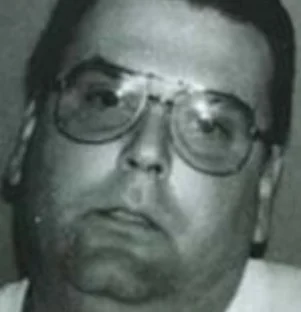
James Allen Kinney was born on September 11, 1949. He was born as Earle Norman Suskey in Tulsa, Oklahoma, and was later adopted by Margaret and Clifford Kinney after becoming a ward of the state as a young child. The same report described his childhood as unstable before adoption, with family records indicating that his biological father had problems with alcohol and violence.
After his adoption, Kinney was raised in Michigan. Public accounts described his adoptive family as strict and religious, with Kinney later recalling farm life, church attendance, and a childhood that eventually became troubled. He later joined the United States Army and served during the Vietnam era. After returning from military service, relatives and later court-related records described signs of mental-health problems.
Kinney was repeatedly treated for mental illness. Later reporting stated that he had been hospitalized for psychiatric treatment many times and had been diagnosed with paranoid schizophrenia, bipolar disorder, post-traumatic stress disorder, or related mental-health conditions. His attorney said his mental illness did not excuse the murder but argued that proper treatment may have prevented the crime.
As an adult, Kinney lived a transient life and traveled across the United States. He stayed at veterans’ hospitals and homeless shelters, used aliases, and worked various jobs, including cook, truck driver, commercial fisherman, hospital worker, and landscaper. Authorities later described him as friendly, mobile, and difficult to track. He was also reported to have used the alias Jerome Romano Porrovecchio.
Keri Lynn Sherlock was a 20-year-old woman from Braintree, Massachusetts. In 1998, she traveled to Bellingham, Washington, to visit her uncle, look at Western Washington University as a possible school, and see the Pacific Ocean. She was described by family as friendly, trusting, and eager to travel. Her mother asked her to call every day during the trip because she was concerned about her daughter traveling alone.
On October 3, 1998, Sherlock went hiking in the Bellingham area. She did not return. Her body was later found about an hour outside Bellingham near the Mount Baker Highway. Investigators determined that she had been sexually assaulted and beaten to death. A backpack found near her body helped lead police to James Allen Kinney.
After Sherlock’s murder, Kinney left the area. Authorities later said he was wanted in connection with the Washington case and was also being investigated as a possible suspect in other unsolved killings of young women in several states, including Michigan and Iowa. He was also profiled on America’s Most Wanted, which helped generate tips about his whereabouts.
Kinney avoided arrest for about three years. A viewer tip eventually led authorities to North Carolina, where he was arrested in 2001. After his arrest, he admitted responsibility for Sherlock’s murder. In January 2002, he was sentenced in Washington to life imprisonment without the possibility of parole.
During an interview after sentencing, Kinney described himself as having two sides: “the monster who killed Keri Sherlock” and a “civic-minded” citizen. He also spoke about the methods he used to avoid capture, including watching news coverage and tracking where authorities were searching. His attorney questioned parts of Kinney’s account but said investigators had verified some details of his life.
Kinney has continued filing legal challenges from prison. A 2024 federal case record confirms that he remains incarcerated at Stafford Creek Corrections Center and is serving life without parole from his 2002 Washington conviction for aggravated first-degree murder.
