b: 1972
Summary
Name:
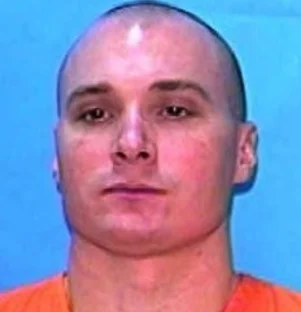
Jack Rilea SlineyYears Active:
1992Birth:
December 23, 1972Status:
ImprisonedClass:
MurdererVictims:
1Method:
Bludgeoning / StabbingNationality:
USAb: 1972
Summary: Murderer
Name:
Jack Rilea SlineyStatus:
ImprisonedVictims:
1Method:
Bludgeoning / StabbingNationality:
USABirth:
December 23, 1972Years Active:
1992Date Convicted:
October 1, 1993Jack Rilea Sliney was born on December 23, 1972. He grew up in the United States, but specific details about his childhood and family life are not well-documented. Information about his early education and experiences during his formative years is also limited.
As Sliney grew older, he became known to local law enforcement. He had been involved in various activities that put him on their radar. By the time he reached adulthood, Sliney was living in Charlotte County, Florida. He held job positions like manager of a local club, which gave him a social circle and some local connections.
Sliney’s life took a serious turn when he was implicated in a crime that would change everything. He was involved in a robbery that escalated to murder. In 1992, he became known to the public after a tragic incident involving a pawnshop owner. This incident led to his arrest and subsequent legal battles that followed.
On June 18, 1992, Jack Rilea Sliney murdered George Blumberg, a pawnshop owner, in Charlotte County, Florida. Sliney and his accomplice, Keith Witteman, went into Blumberg's pawnshop to argue about the price of a necklace. During this confrontation, Witteman urged Sliney to attack Blumberg.
Sliney hit Blumberg in the head with a camera, then stabbed him in the neck three times with a pair of scissors, and finally struck him multiple times with a hammer. Blumberg was found by his wife, Marilyn, behind the counter of their store after he suffered severe head trauma.
Police investigations linked Sliney to the crime when a witness, Kenneth Dobbins, saw two young men enter the pawnshop just before the murder. Dobbins provided a description that led to composite sketches. Thomas Capeles, a friend of one of the investigators, recognized Sliney as someone who had recently attempted to sell a gun that matched firearms registered to the pawnshop.
Controlled gun buys were set up with Sliney, and the serial numbers matched those on record. Shortly after the second sale, Sliney was arrested. He confessed to the murder during police questioning and provided a written statement detailing the events.
During the trial, Sliney's story changed. He testified that Witteman was the one who killed Blumberg, even though his original confession placed the blame on himself. Sliney was found guilty of first-degree murder, felony murder, and robbery with a deadly weapon. He was sentenced to death on February 14, 1994.
Sliney appealed his conviction to the Florida Supreme Court, arguing that his confession was obtained under duress and that there were other errors during his trial. However, the court upheld his conviction and sentence in 1997. Sliney continued to pursue legal avenues to overturn his conviction in the following years, but his motions and appeals were ultimately denied.
