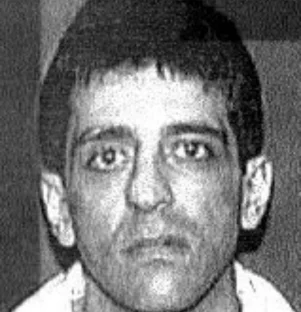
b: 1962
Summary
Name:
Henry Watkins SkinnerNickname:
HankYears Active:
1993Birth:
April 04, 1962Status:
ImprisonedClass:
MurdererVictims:
3Method:
Bludgeoning / StabbingNationality:
USAb: 1962
Summary: Murderer
Name:
Henry Watkins SkinnerNickname:
HankStatus:
ImprisonedVictims:
3Method:
Bludgeoning / StabbingNationality:
USABirth:
April 04, 1962Years Active:
1993Date Convicted:
March 18, 1994“I maintain my innocence.”
— Henry Watkins Skinner
Henry Watkins Skinner, also known as "Hank," was born on April 4, 1962. He grew up in a troubled environment in Texas.
Skinner had a difficult childhood and was known to have experienced various challenges. Reports suggest that he struggled with issues related to substance abuse, which would later follow him into adulthood. He had a tumultuous relationship with his family and eventually moved out on his own when he was a young adult.
During his early life, Skinner had various interactions with the law. He had been arrested multiple times for offenses such as assault and theft. These early run-ins with the criminal justice system set a pattern for his later life.
Skinner lived with a woman named Twila Busby and her two adult sons, who had mental disabilities. His lifestyle was marked by a significant amount of drinking and a lack of stability. By the time he was in his thirties, he had accumulated a criminal record, which included charges related to alcohol and violence.
Henry Watkins Skinner was convicted of murdering his girlfriend, Twila Busby, and her two sons, Randy Busby and Elwin Caler, on December 31, 1993. The murders took place in their home located in Pampa, Texas. Skinner’s conviction came after a series of events that led to the discovery of the bodies.
Around midnight on the night of the murders, a neighbor found Elwin with stab wounds and he later died. Twila was discovered dead in the living room of their home, and Randy was found dead in his bedroom. Skinner was located by police several hours later at a friend's house, approximately three to four blocks away. He was reported to be covered in the victims' blood and was standing in a closet when police arrived.
During the investigation, multiple pieces of evidence linked Skinner to the crime scene. His blood was found on the clothing he was wearing when the police found him. Additionally, blood matching that of the victims was found in various locations within the house. Three handprints that matched Skinner's were also discovered, further tying him to the murders.
Witnesses reported that Skinner had been drinking heavily that night. He exhibited erratic behavior and provided conflicting stories about what had occurred in the house. At his trial, defense attorneys raised issues about the adequacy of the investigation and the handling of DNA evidence. They argued that Skinner was too intoxicated to commit the murders, but prosecution evidence indicated otherwise.
Skinner was convicted of capital murder and sentenced to death in 1995. Since then, he has maintained his innocence and has filed multiple appeals to contest the conviction and seek DNA testing on various pieces of evidence. However, his appeals have been largely unsuccessful, with courts citing the evidence presented at trial as significant in affirming his conviction.
