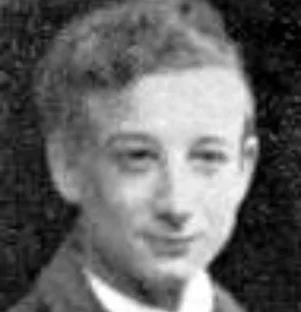
1903 - 1922
Summary
Name:
Henry Julius JacobyYears Active:
1922Birth:
June 28, 1903Status:
ExecutedClass:
MurdererVictims:
1Method:
BludgeoningDeath:
June 07, 1922Nationality:
United Kingdom1903 - 1922
Summary: Murderer
Name:
Henry Julius JacobyStatus:
ExecutedVictims:
1Method:
BludgeoningNationality:
United KingdomBirth:
June 28, 1903Death:
June 07, 1922Years Active:
1922Date Convicted:
April 28, 1922Henry Julius Jacoby was born on June 28, 1903 and was approximately 18 years old at the time of the crime for which he was executed. By early 1922, Jacoby was employed as a pantry boy at the Spencer Hotel in London. Pantry boys generally worked in hotel service areas, assisting with food preparation, serving duties, and other support tasks. His employment gave him access to guest areas and hotel rooms, allowing him to move through parts of the building that were inaccessible to the public.
On March 14, 1922, Lady Alice White, the widow of a former chairman of the London County Council, was staying at the Spencer Hotel in London. Lady White was approximately 65 or 66 years old, depending on the source consulted. At some point during the day, Henry Julius Jacoby entered Lady White's room. According to his later confession, he had gone to the room intending to steal property. He admitted carrying a hammer with him and later told investigators that he had taken it along to use if necessary during a theft.
Jacoby found the door to Lady White's room unlocked and entered. While he was inside, Lady White woke up and became aware of his presence. According to the account he later gave police, he panicked when she awoke and feared that she would raise the alarm. Jacoby then attacked Lady White with the hammer, striking her repeatedly about the head. The injuries were severe and caused extensive trauma. Lady White was later discovered lying on her bed suffering from critical head wounds.
Investigators quickly determined that there were no signs of forced entry into the room. Because access appeared to have been gained without breaking locks or doors, police focused attention on hotel employees and individuals who had legitimate access to the building. During questioning, Jacoby attempted to explain the crime and reportedly offered theories about how the murder might have occurred. Detectives became suspicious because of inconsistencies in his statements and because he had provided false information about aspects of his personal background.
When officers searched him, they discovered bloodstained handkerchiefs. The evidence, combined with the circumstances surrounding the crime, increased suspicion. Under questioning, Jacoby confessed. He admitted that he had entered Lady White's room intending to steal from her and that he had carried the hammer as a potential weapon. He acknowledged striking her after she awoke and recognized his presence.
Lady White later died from the injuries inflicted during the attack. The case was prosecuted as murder because the fatal assault occurred during the commission of a robbery attempt. Jacoby was brought to trial at the Old Bailey on April 28, 1922. The prosecution argued that he had intentionally armed himself before entering the room and had used deadly violence when confronted by the victim.
The defense emphasized his youth and argued that the killing had occurred in panic rather than as part of a planned intention to murder. Some jurors apparently accepted that argument to a degree. Although the jury found Jacoby guilty of murder, it also made a recommendation for mercy. Under English law at the time, a recommendation for mercy did not prevent a mandatory death sentence for murder. The trial judge sentenced Jacoby to death.
Following the conviction, efforts were made to secure clemency. However, the recommendation for mercy was ultimately unsuccessful, and the Home Office did not intervene to commute the sentence. Jacoby was transferred to Pentonville Prison to await execution. During his time there, prison staff and executioner John Ellis later described him as calm and composed. Ellis wrote that Jacoby appeared unconcerned about his fate and was observed playing a makeshift game of cricket with a prison officer the day before the execution.
On the morning of June 7, 1922, Jacoby was prepared for execution by hanging. Before leaving the condemned cell, he reportedly thanked the governor and prison staff for their treatment of him while incarcerated.
Henry Julius Jacoby died on June 7, 1922, at approximately 18 years of age. His execution remains notable in British criminal history because of his youth and because he was among the youngest offenders executed at Pentonville Prison during the twentieth century.
