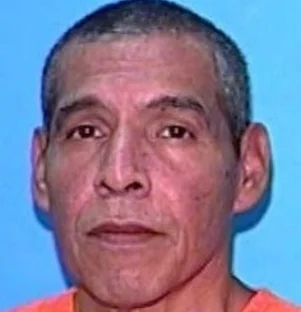
1948 - 2009
Summary
Name:
Henry GarciaYears Active:
1983Birth:
September 26, 1948Status:
DeceasedClass:
MurdererVictims:
2Method:
StabbingDeath:
November 26, 2009Nationality:
USA1948 - 2009
Summary: Murderer
Name:
Henry GarciaStatus:
DeceasedVictims:
2Method:
StabbingNationality:
USABirth:
September 26, 1948Death:
November 26, 2009Years Active:
1983Date Convicted:
May 18, 1988“I told them not to get me mad. I have this animal inside of me.”
— Henry Garcia
Henry Garcia was born on September 26, 1948. By 1983, he lived with family members at a labor camp in South Dade County, Florida, roughly twelve miles from Leisure City, a residential area of Homestead where sisters Julia Ballentine, 90 — described in court records as an invalid — and Mabel Avery, 86, shared a home. Garcia had an extensive prior criminal record by this time, including convictions for assault with intent to rob in 1968 and bank robbery with use of a dangerous weapon in 1972, as well as a later conviction for mutiny at a U.S. penitentiary in January 1979.
Julia Ballentine, 90, and Mabel Avery, 86, lived together in the Leisure City area of Homestead, Florida. On Monday morning, January 17, 1983, neighbors became worried when the sisters did not answer the phone. After knocking on the doors and windows, neighbors found that the rear screen door had been slashed and glass panes had been broken. One neighbor entered the home and found both women dead in separate bedrooms.
Mabel Avery was found in her bedroom, positioned as though she had been cornered. She had fourteen stab wounds and nine defensive wounds to her arms and hands. Julia Ballentine was found face down in her bedroom. She had thirty stab wounds, twelve defensive wounds, and injuries showing that she had been sexually assaulted while still alive. The medical examiner testified that both sisters died in the early morning hours of Sunday, January 16, 1983.
The State’s case against Garcia was largely circumstantial. On the evening of January 15, 1983, Garcia had been with Feliciano Aguayo, a social and work acquaintance. They played pool, then returned to the labor camp where Garcia expected to meet a young woman. When the woman chose to go out with someone else, Garcia became upset and asked Aguayo to drive him to Leisure City. Aguayo dropped him at the Leisure City Lounge, near both Aguayo’s home and the victims’ house.
At about 7:00 a.m. on January 16, Aguayo’s mother saw Garcia running toward her house from the direction of the victims’ home. Garcia was covered with fresh blood. When Aguayo asked what had happened, Garcia claimed that he had been attacked in a field by two men and a woman and had stabbed the woman in self-defense. He showed Aguayo a knife covered with drying blood, but Aguayo noticed that Garcia had no real signs of being beaten or involved in a struggle.
As Aguayo drove Garcia back to the labor camp, Garcia repeatedly said, “I told them not to get me mad. I have this animal inside of me.” Later that day, Aguayo and his mother went to the place where Garcia claimed he had been attacked, but they found no tire marks, no signs of a fight, and no evidence supporting his story.
The State also relied on testimony from Garcia’s co-worker, Rufina Perez. Perez testified that she overheard Garcia speaking with a group of men in the fields shortly after the murders. According to Perez, Garcia said he had gotten into trouble with some women, but did not have to worry because they were “already in hell.” When asked how he entered the home, Garcia allegedly said he went through the back door and ripped out the screen door.
Garcia was indicted in Dade County in 1985 for two counts of first-degree murder, sexual battery, and armed burglary. In 1988, a jury convicted him on all counts and unanimously recommended death for both murders. The trial court sentenced him to death.
On June 14, 1990, the Florida Supreme Court reversed the original convictions and death sentences. The court ruled that the trial court had wrongly excluded payroll records that Garcia wanted to use to impeach Perez’s testimony, and that the State’s argument about the lack of exculpatory records was prejudicial. The case was sent back for a new trial.
At the retrial, Garcia introduced the payroll records, but the jury again found him guilty of both murders, sexual battery, and armed burglary / robbery-related charges. The jury unanimously recommended death for Julia Ballentine’s murder and recommended life imprisonment for Mabel Avery’s murder by a 7-to-5 vote. The trial judge followed the death recommendation for Julia and overrode the life recommendation for Mabel, imposing two death sentences.
The Florida Supreme Court affirmed Garcia’s convictions and death sentences on August 11, 1994. The court held that, although the case was based largely on circumstantial evidence, the evidence was inconsistent with any reasonable hypothesis of innocence.
Garcia continued to pursue postconviction relief. In 2006, the Florida Supreme Court affirmed the denial of his postconviction motion and denied his habeas petition. The court again summarized the evidence against him, including the victims’ wounds, the broken rear entry, his blood-covered appearance, and his alleged admissions.
Henry Garcia was not executed. He died of natural causes on November 26, 2009, while still on Florida death row at Union Correctional Institution. He was 61 years old.
