b: 1964
Summary
Name:
Harnoko DewantoroNickname:
OkiYears Active:
1991 - 1992Birth:
November 03, 1964Status:
ReleasedClass:
Serial KillerVictims:
3Method:
Shooting / Bludgeoning / MutilationNationality:
USAb: 1964
Summary: Serial Killer
Name:
Harnoko DewantoroNickname:
OkiStatus:
ReleasedVictims:
3Method:
Shooting / Bludgeoning / MutilationNationality:
USABirth:
November 03, 1964Years Active:
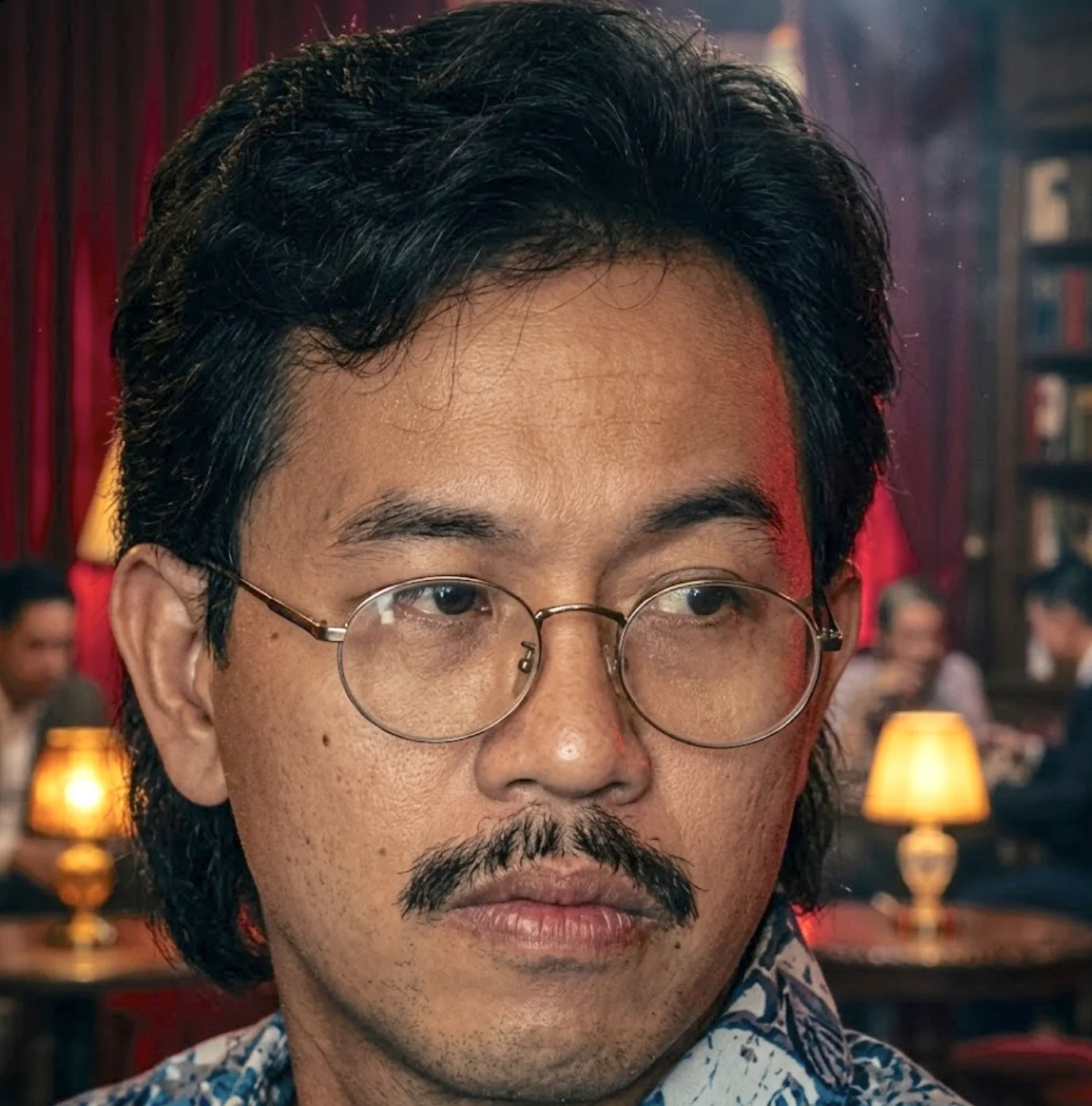
1991 - 1992Harnoko Dewantoro, known to his friends as "Oki," seemed to have it all. Born on November 3, 1964, into a very wealthy and prominent Indonesian family, he never had to worry about money. In the late 1980s, Oki and his girlfriend traveled to the United States on student visas to live the American Dream. After attending school in Kansas and briefly living in Pennsylvania, they eventually moved to Los Angeles, California.
Using his family's wealth, Oki hopped between nice neighborhoods like Northridge, Brentwood, and Westwood. He even bought a dry-cleaning business. To anyone looking from the outside, Oki was just a successful, young international student. But beneath the surface, he was hiding a terrifying temper that would soon turn him into one of the most brutal serial killers in Los Angeles.
In January 1991, Oki decided to sell his dry-cleaning business. He found a buyer in a 40-year-old Indian businessman named Suresh Gobid Mirchandini, who agreed to pay $100,000 for the company.
However, the deal quickly went sour. Just seven months later, Mirchandini completely abandoned the failing business. Even worse, he still owed Oki thousands of dollars. Oki was absolutely furious. Used to getting his way, he decided to take brutal revenge.
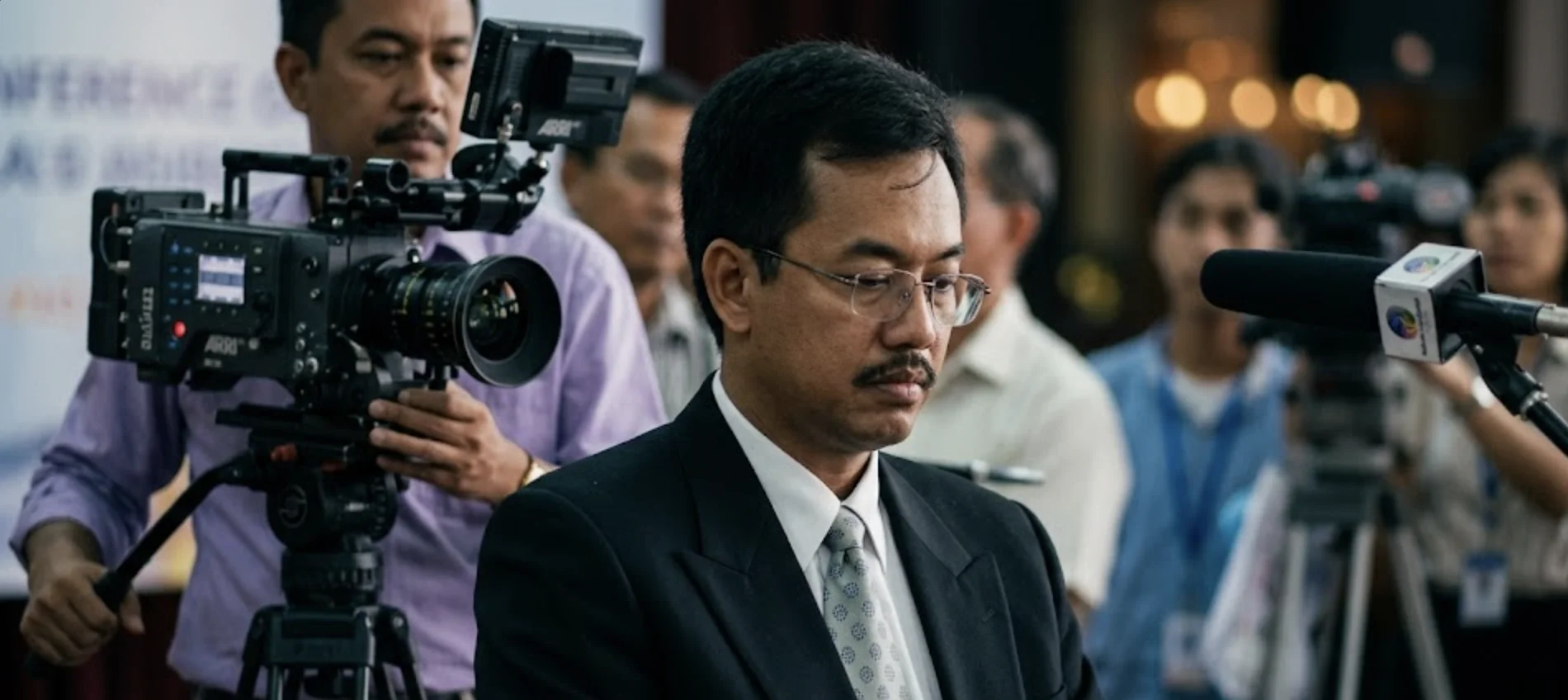
In August 1991, Oki lured Mirchandini into his car under the disguise of going for a drive along one of the city's freeways. While they were cruising down the road, Oki suddenly pulled out a revolver and shot Mirchandini dead. Needing to hide the evidence, Oki drove the body to a rental house he owned in Northridge and secretly buried the businessman in the yard.
Oki thought he had gotten away with murder, but his life was actually falling apart. By the spring of 1992, he had a terrible falling-out with his wealthy girlfriend, cutting off his main source of money.
Desperate for cash, he reached out to a 28-year-old Indonesian student named Gina Sutar Aswan. Oki convinced her to move to Los Angeles and invest a massive $200,000 into his business ventures. Gina trusted him and flew to the USA.
But on November 3, 1992—which happened to be Oki's 28th birthday—Gina returned from a vacation in Paris and dropped a bombshell: she was backing out of the deal. Losing the $200,000 sent Oki into a blind, horrific rage. He lured Gina to a rented house in Brentwood, where he violently bludgeoned her to death. But he didn't stop there. In a truly gruesome act, Oki completely mutilated her body, cutting off her hands, her nose, and even removing her heart.
Oki was completely spiraling out of control. Just a month later, he turned his violence on his own family. For reasons that remain unknown, Oki attacked his own 26-year-old brother, Eri Triharto Dharmawan. Inside an apartment in West Los Angeles, Oki brutally bludgeoned his younger brother to death. In just over a year, the rich student had become a cold-blooded triple murderer.
Having three bodies buried in different locations around Los Angeles made Oki paranoid. He knew that if a new tenant or a landscaper started digging in the yards of his rental properties, his terrifying secrets would be exposed.
So, in a disgusting and highly organized cover-up, Oki went back and dug up the rotting bodies of all three victims. He initially moved them into a storage facility in Sherman Oaks. The following year, he decided to move them again. Using a simple hand truck, Oki casually wheeled the decomposing bodies into a U-Haul storage locker in Northridge.
Believing the bodies were safely hidden in the locker, Oki fled the United States and flew back home to Jakarta, Indonesia. To make sure the storage locker was never auctioned off, he kept paying the monthly rental fees from overseas. He used his own money, but he also tricked his elderly mother into helping him pay for it, telling her the horrific lie that his brother Eri—who was actually rotting inside the locker—was still alive and using the storage unit.
Oki's dark secret stayed locked away until August 10, 1994. For some reason, the Northridge storage unit was finally opened, and authorities made a gruesome discovery: the decomposing, mutilated bodies of Suresh, Gina, and Eri.
The LAPD immediately launched a massive investigation. Detective Ted Ball was assigned to the case and started digging through the storage unit's rental paperwork. He found two absolute smoking guns: the rental checks. One check had been mailed directly by Oki's mother in Indonesia, and the second check was completely covered in Oki's fingerprints. This information was quickly relayed to authorities in Jakarta, and in January 1995, Oki was captured in Indonesia's capital.
When Indonesian police interrogated Oki, he cracked, but only partially. He confessed to killing Gina and his brother Eri, but he completely denied killing Suresh Mirchandini. In a desperate lie, Oki claimed that his dead brother Eri was actually the one who shot the businessman during a dispute.
The police didn't believe him for a second. But bringing Oki to justice presented a massive legal problem: the United States and Indonesia did not have an extradition treaty, meaning America couldn't force Indonesia to send Oki back to Los Angeles to face trial.
However, under Indonesian law, citizens can be put on trial in their home country for crimes they committed overseas. What followed was a historic team-up. LAPD Detectives Ted Ball and Ed Ramirez, along with 14 other American witnesses, flew 8,000 miles to Jakarta to testify. They brought physical evidence, including guns, bullets, and horrifying crime scene photos depicting the bodies, straight into the Indonesian courtroom.
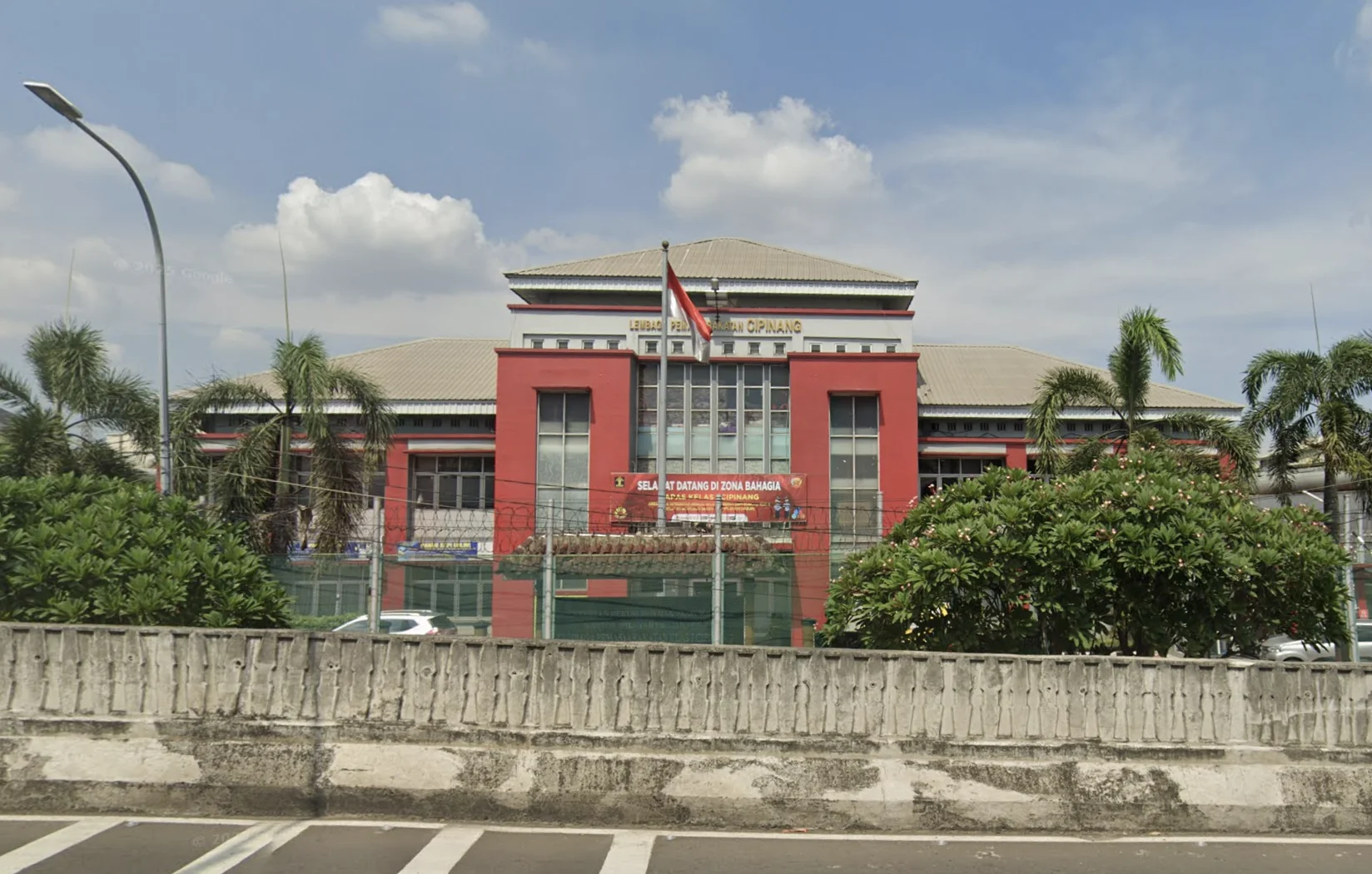
The trial was a massive media sensation in both countries. In 1997, Judge G. K. Sukarata found Oki guilty of all three murders and sentenced him to death. Oki was thrown into the Cipinang Penitentiary Institution to await execution by a firing squad.
For over two decades, Oki sat in prison. He wrote two petitions for clemency begging the government for mercy, but they were rejected because his crimes were so incredibly violent.
Realizing he couldn't fight the system, Oki decided to play the long game. He became the ultimate model prisoner. He stayed completely out of trouble, never joined in any prison riots, and even spent his time teaching English classes to his fellow inmates.
Incredibly, his good behavior completely won over Muhammad Yusuf—the exact same prosecutor who had originally fought to give Oki the death penalty. Yusuf eventually argued that Oki's life should be spared because Oki was the very last surviving member of his family (his brother was dead and his mother was elderly), and because he had been such a perfect, well-behaved prisoner.
The strategy worked. On November 20, 2019, Indonesian President Joko Widodo granted Oki executive clemency. The brutal serial killer who had bludgeoned his own brother and mutilated a young woman in Los Angeles was officially pardoned and allowed to walk out of prison on conditional parole.
