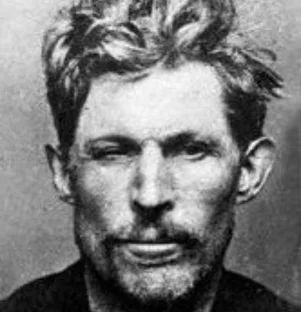
d: 1954
Summary
Name:
Guillaume SeznecYears Active:
1923Status:
DeceasedClass:
MurdererVictims:
1Method:
UnknownDeath:
February 13, 1954Nationality:
Franced: 1954
Summary: Murderer
Name:
Guillaume SeznecStatus:
DeceasedVictims:
1Method:
UnknownNationality:
FranceDeath:
February 13, 1954Years Active:
1923Date Convicted:
November 4, 1924Joseph Marie Guillaume Seznec was born in 1878 in Plomodiern, a small town in Brittany, France. He grew up in a region known for its rich culture and history. From a young age, he worked in his family's business. As he grew older, he became the head of a sawmill in Morlaix. This position played a significant role in his life as it allowed him to be involved in local business activities.
Guillaume was a determined individual. He balanced his work while also engaging with the community. He was known to have a good reputation among his peers. In his early career, he sought to expand his business interests. He became involved in various ventures, including a significant business transaction regarding the sale of cars left behind by American troops after World War I.
In May 1923, he embarked on a trip to Paris with his friend Pierre Quéméneur, who was a local official and wood merchant. Their plan was to meet a man named Boudjema Gherdi to discuss the sale of 100 Cadillac cars. However, their journey faced multiple setbacks, including car troubles. Due to these issues, Quéméneur decided to continue by train alone. Unfortunately, he never arrived in Paris, and this marked the beginning of a complicated legal case.
On May 25, 1923, Guillaume Seznec left Brittany for Paris with Pierre Quéméneur. They were traveling to negotiate the sale of 100 Cadillac cars from an American stock left after World War I. Their car broke down multiple times during the trip. Quéméneur decided to continue alone by train. He never arrived in Paris, and his body was never found.
In June 1923, Seznec was arrested. He was charged with the murder of Quéméneur. The prosecution believed Seznec had killed his companion to take ownership of Quéméneur's land. A suitcase belonging to Quéméneur was found in Le Havre. Inside was a note that promised to sell land to Seznec. The court believed this note was part of the murder scheme, but Seznec maintained that it was fake.
Seznec's trial began and lasted eight hours. During the trial, nearly 120 witnesses were heard. On November 4, 1924, he was found guilty of murder and sentenced to hard labor for life. The court could not prove that he had planned the murder ahead of time, so they did not give him the death penalty.
In 1927, Seznec was sent to a penal colony in French Guiana. He later transferred to Îles du Salut in 1928. After serving for many years, he received a remission in May 1947 and returned to Paris. Seznec always claimed he was innocent. His family worked for decades to have his case reopened, believing he was wrongly convicted.
Over the years, new evidence surfaced that questioned the validity of the case against him. In 2005, a commission allowed a reopening of Seznec's conviction for murder. But in 2006, the appeals court refused to overturn the original decision. Seznec died on February 13, 1954. The case continues to spark debate about justice and possible wrongful conviction in France.
