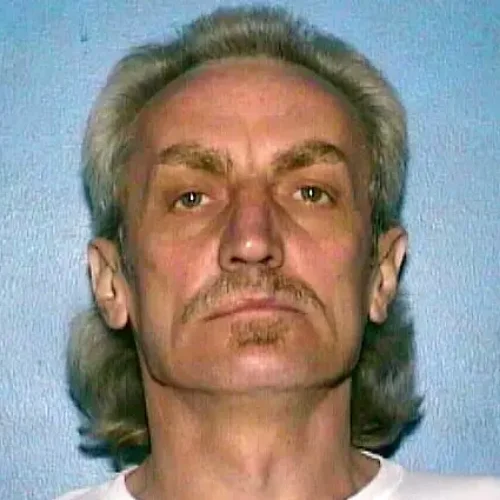
b: 1959
Summary
Name:
Gregory MadejYears Active:
1981Birth:
August 25, 1959Status:
ImprisonedClass:
MurdererVictims:
1Method:
StabbingNationality:
Polandb: 1959
Summary: Murderer
Name:
Gregory MadejStatus:
ImprisonedVictims:
1Method:
StabbingNationality:
PolandBirth:
August 25, 1959Years Active:
1981Gregory Madej was born on August 25, 1959, in Kielce, Poland. When he was a small child, his family moved to the United States. They settled in Chicago, Illinois, where they became part of a large Polish community.
His father struggled with alcoholism and was often abusive. Both Gregory and his mother faced violence from him, and there were times when Gregory intervened to protect her from harm.
In 1981, when Gregory was 21 years old, he was involved in a tragic incident that would change his life forever. On August 23 of that year, he spent an evening with Barbara Doyle, a 38-year-old woman. Their meeting ended violently, which led to police involvement and a series of legal proceedings.
On August 23, 1981, Gregory Madej was involved in the murder of Barbara Doyle in Chicago, Illinois. They spent the evening together drinking alcohol and using marijuana. An argument escalated between them, which led to a violent confrontation. Barbara Doyle was stabbed multiple times during this incident.
After the murder, Madej fled the scene in Doyle's car. The police soon arrested him while he was still driving the car. When they apprehended him, they found blood on his clothes and a bloody knife in the vehicle. Additionally, Barbara Doyle's bloodstained clothes were also discovered.
During the police chase, officers in pursuit noted a passenger in the car along with Madej. However, this second person was never identified, and details about this were lost. At trial, police denied any mention of this second suspect.
Madej maintained that he acted in self-defense during the altercation with Doyle. Before going to trial in 1992, prosecutors offered him a plea deal that would result in a life sentence, which he rejected. He was convicted of murder, armed robbery, rape, and deviate sexual assault. Madej was sentenced to death shortly after his conviction.
Many issues arose from his trial, including claims of ineffective legal representation. His attorney later admitted to several mistakes in the defense, which included allowing Madej to testify when it may not have been wise to do so.
In 1997, the Illinois Supreme Court acknowledged that Madej did not receive adequate legal representation during his trial. However, they ruled that this error was "harmless."
For 17 years, the Polish Consulate in Chicago was unaware of Madej’s situation until contacted by his defense attorneys in 1998. This led to concerns over the violation of his consular rights.
In 2003, the Governor of Illinois commuted Madej’s death sentence to life in prison without the possibility of parole, despite legal challenges from state officials against this decision. The legal battles surrounding Madej’s case continued for many years, with various appeals and motions filed regarding the procedures followed during his trial and sentencing.
