Summary
Name:
Gerald ParkerNickname:
The Bedroom BasherYears Active:
1978 - 1979Status:
ImprisonedClass:
Serial KillerVictims:
5+Method:
BludgeoningNationality:
USASummary: Serial Killer
Name:
Gerald ParkerNickname:
The Bedroom BasherStatus:
ImprisonedVictims:
5+Method:
BludgeoningNationality:
USAYears Active:
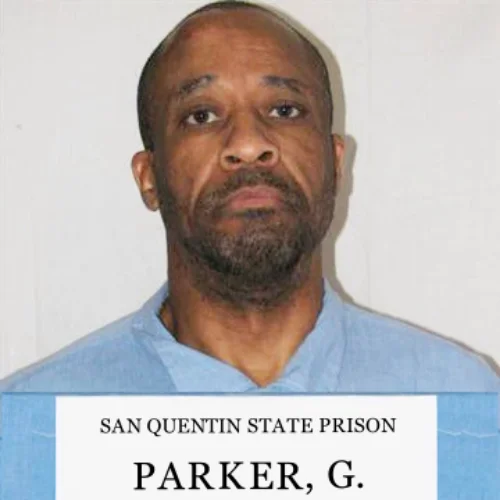
1978 - 1979Gerald Parker was born in 1955 in the United States. He joined the Marine Corps, where he served for seven and a half years. During his time in the Marines, he was stationed at various bases, including El Toro Marine Corps Air Station in California, and other locations such as North Carolina, Alaska, and Mississippi.
Parker left the Marines and became involved in criminal activities. In 1980, he was convicted of raping a 13-year-old girl in Tustin, California. After this offense, he served a prison sentence and was later released on parole.
In 1996, new DNA testing technology helped law enforcement connect Parker to a series of unsolved crimes dating back to the late 1970s, particularly in Orange County, California. At that time, he was already serving time for other violations, and police discovered he might be tied to a pattern of violent crimes against women.
In the late 1970s, Gerald Parker committed a series of violent crimes in Orange County, California. Over the span of a year, he raped and murdered five women, harming them in their own homes. The victims were young, ranging in age from 17 to 31 years old, and included Sandra Kay Fry, Kimberly Gaye Rawlins, Marolyn Kay Carleton, Debora Kennedy, and Debra Lynn Senior. Parker also caused the death of the unborn child of a sixth woman, Dianna D'Aiello, who survived the attack.
Parker was known for a brutal method of killing that involved beating his victims. His attacks created widespread fear and chaos in the community. At the time, law enforcement struggled to solve these crimes. Andrea D'Aiello, the pregnant survivor, initially identified her then-husband Kevin Green as her attacker, which led to his wrongful conviction for the murder of their unborn child. Green spent nearly 17 years in prison before new DNA evidence exonerated him and linked Parker to the crimes.
In 1996, advancements in DNA testing played a crucial role in the investigation, allowing police to connect Parker to multiple murders. Once the evidence became clear, detectives confronted Parker in prison, where he confessed to the crimes.
In January 1999, Parker was sentenced to death for his actions, bringing some measure of closure to the families of his victims. His case underscored both the impact of DNA technology in solving cold cases and the tragic consequences of wrongful convictions.
