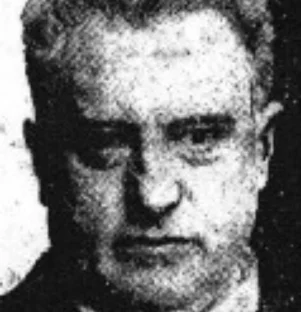
1878 - 1934
Summary
Name:
Georges-Alexandre SarretNickname:
The French Acid Bath MurdererYears Active:
1925 - 1931Birth:
September 23, 1878Status:
ExecutedClass:
Serial KillerVictims:
4+Method:
Shooting / Poisoning / Acid disposalDeath:
April 10, 1934Nationality:
France1878 - 1934
Summary: Serial Killer
Name:
Georges-Alexandre SarretNickname:
The French Acid Bath MurdererStatus:
ExecutedVictims:
4+Method:
Shooting / Poisoning / Acid disposalNationality:
FranceBirth:
September 23, 1878Death:
April 10, 1934Years Active:
1925 - 1931“Imbeciles! Be quick, can’t you!”
— Georges-Alexandre Sarret
Georges-Alexandre Sarret, whose real name was Giorgio Sarrejani, was born on September 23, 1878, in Trieste, which was part of the Austro-Hungarian Empire at the time. He was of Greek descent. Little is known about his early family life, but he eventually moved to France.
In France, Sarret studied medicine, chemistry, and law in Marseille. This education would later influence his actions and methods. He learned about health, toxic substances, and legal matters, which he used to his advantage throughout his life.
At some point, he became involved with two sisters, Philomena and Catherine Schmidt. These sisters had faced accusations during World War I, which may have shaped their lives and choices. Sarret established a connection with them due to their unfortunate situations and began to work with them in ways that had serious implications.
Georges-Alexandre Sarret was involved in a series of murders between 1925 and 1931 in France. He targeted vulnerable individuals, including elderly men, to collect insurance money. His method included a range of violent actions such as shooting, poisoning, and even starvation.
Sarret worked with the Schmidt sisters, who assisted him in his crimes. They would lure their victims and help dispose of the bodies. In one case, he murdered an unfrocked priest named Louis Chambon and his mistress, Noémie Ballandraux. He shot them and then dissolved their bodies in sulfuric acid to eliminate any evidence of the crime.
Sarret was ultimately arrested in 1931. During the investigation, detectives discovered suspicious clues that linked him to the murders, including bones found near his home. His trial was lengthy due to his knowledge of the law, but he was eventually sentenced to death.
On April 10, 1934, Sarret was executed by guillotine in Aix-en-Provence. His execution was notable for a moment when the blade jammed before finally completing its tragic purpose.
