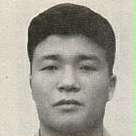
1926 - 1959
Summary
Name:
Genzo KuritaYears Active:
1948 - 1952Birth:
November 03, 1926Status:
DeceasedClass:
Serial KillerVictims:
8Method:
Stragulation / Bludgeoning / Throwing Victims from a CliffDeath:
October 14, 1959Nationality:
Japan1926 - 1959
Summary: Serial Killer
Name:
Genzo KuritaStatus:
DeceasedVictims:
8Method:
Stragulation / Bludgeoning / Throwing Victims from a CliffNationality:
JapanBirth:
November 03, 1926Death:
October 14, 1959Years Active:
1948 - 1952Genzo Kurita was born on November 3, 1926, in Japan, into a society still recovering from the economic hardship and social instability of the pre‑war and wartime eras. Little is published about his childhood or family environment, but later psychiatric observations indicated early emotional instability, volatile behavior, and an inability to maintain healthy interpersonal relationships. These traits would become even more pronounced after World War II, when Japan faced widespread poverty, social dislocation, and disrupted family structures.
By the late 1940s, Kurita was living a transient life, frequently unemployed and drifting between regions in eastern Japan. He struggled with intimate relationships and was known to display possessive, erratic, and at times threatening behavior toward women he dated. His difficulty forming stable attachments coincided with episodes of what doctors would later describe as neurotic instability. Kurita reportedly exhibited periods of agitation, self‑harm, and violent emotional outbursts. However, at the time, there was little institutional support or psychiatric follow‑through for individuals with such symptoms.
As he moved between towns, Kurita attempted to present himself as a working man capable of maintaining relationships, but those attempts often collapsed under the weight of jealousy and impulsive, aggressive behavior. His life before the murders showed no long‑term stability—no consistent employment record, no enduring friendships, and no meaningful connection to any community. This instability, combined with growing sexual compulsions and an emerging disregard for life, set the stage for a series of brutal crimes.
Kurita’s first known murders occurred in February 1948 when he killed two women he had been romantically involved with. The details of these killings were never publicly documented in detail, but investigators later connected the crimes to Kurita based on his own statements. These early murders established his pattern of targeting women he knew personally, acting impulsively, and showing extreme violence when confronted with emotional conflict or rejection.
On August 8, 1951, Kurita encountered a 24‑year‑old woman traveling with her infant. He raped and murdered the woman beside her child, later returning to the body to commit necrophilic acts. The brutality of the assault and the disregard for the infant left behind shocked investigators. This killing demonstrated an escalation: Kurita no longer limited his violence to women he knew. He had fully stepped into predatory behavior, targeting vulnerable women at random.
Two months later, on October 11, 1951, Kurita attacked a 29‑year‑old woman, raping and murdering her. The victim had three young children with her. After killing their mother, Kurita forced the children toward a cliff known locally as Osen Korogashi, a dangerous cliffside associated with numerous past falls. He threw all three children over the edge. Incredibly, one of the children survived the fall and later became a key witness in identifying the attacker. This crime drew significant public attention for its brutality and the targeting of children.
On January 13, 1952, Kurita entered the home of a 63‑year‑old woman and her 24‑year‑old niece. He murdered both women, then sexually violated the body of the younger victim. Investigators later recovered fingerprints belonging to Kurita at the scene—one of the earliest major uses of fingerprint evidence in securing a serial murder conviction in post‑war Japan. This final set of killings prompted an intensive manhunt.
Kurita was arrested three days later, on January 16, 1952. During questioning, he confessed multiple times, though his mental state fluctuated dramatically. He exhibited signs of self‑injury, fear, panic, and periods of clarity mixed with agitation. Although mental illness was raised in subsequent legal proceedings, he was deemed criminally responsible.
Kurita was tried separately in two courts due to the geographic spread of his crimes. On August 12, 1952, the Chiba District Court sentenced him to death for the January 1952 double murder. On December 21, 1953, the Utsunomiya District Court sentenced him to death for the remaining six killings.
He initially attempted to appeal, but on October 21, 1954, he withdrew all appeals after experiencing a breakdown marked by fear of death, episodes of screaming, and repeated attempts at self‑harm. Prison doctors classified him as neurotic but still fit for execution. On October 14, 1959, Genzo Kurita was executed by hanging.
