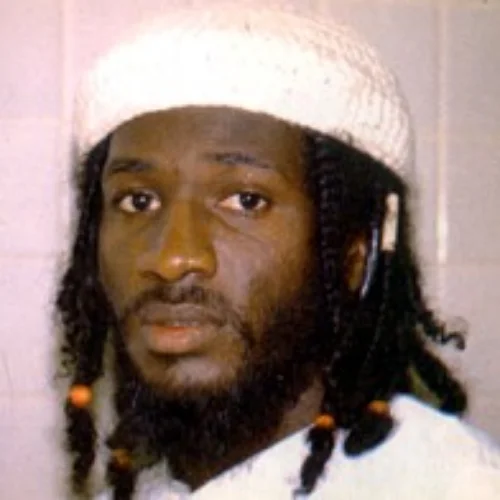
Summary
Name:
Gary TylerYears Active:
1974Status:
ReleasedClass:
MurdererVictims:
1Method:
ShootingNationality:
USASummary: Murderer
Name:
Gary TylerStatus:
ReleasedVictims:
1Method:
ShootingNationality:
USAYears Active:
1974Date Convicted:
November 14, 1975Gary Tyler was born in July 1958 in New Orleans, Louisiana. He was the youngest in a large family, with his mother, Juanita, working as a domestic servant and his father, Uylos, juggling three jobs as a maintenance man to support their family of eleven children. In 1970, when Gary was twelve, the Tyler family moved to St. Rose, about twenty miles upriver from New Orleans.
At the age of twelve, Gary went to live with his sister in Watts, Los Angeles. This experience exposed him to new ideas and people. He learned about political movements and attended rallies that focused on civil rights and social justice. After two years, Gary returned to Louisiana in 1972. He described this return as difficult, saying it felt like being taken "out of the light and putting me into darkness." Living in Louisiana meant facing the poverty and racism that were prevalent in the area.
While growing up, Gary had some conflicts with the law. He was arrested twice for burglary; he admits to one but claims he was innocent of the other. He spent seven months in a juvenile institution during this time. His experiences in school and the community shaped his outspoken nature and heightened his awareness of social justice issues. Gary was recognized as intelligent and radical by those around him, which often put him at odds with local authorities.
As a high school student, Gary attended Destrehan High School, which was undergoing significant tensions related to racial integration. These tensions were fueled by a history of resistance to desegregation in the area. In 1974, just before a violent event involving Black students busing to the school, Gary's life took a drastic turn, marking the beginning of a long and complex legal situation for him.
On October 7, 1974, there was a tragic incident involving a school bus carrying Black students from Destrehan High School in Louisiana. The bus was attacked by a mob of around 200 white individuals who were angry about school integration. During this chaotic situation, a voice called out about a boy with a gun, and shortly after, a shot was fired. Timothy Weber, a 13-year-old boy, was hit and soon fell to the ground. He died later that day in the hospital.
Gary Tyler, a 16-year-old student on the bus, was quickly arrested after the shooting. The police conducted two searches of the bus for over three hours but did not find any weapon initially. However, a gun, identified as a .45 caliber automatic, was later claimed to have been found in a seat on the bus after a witness, Nathalie Blanks, testified against Tyler. This gun had previously been reported stolen from a police firing range.
After his arrest, Tyler was charged with the murder of Timothy Weber. The trial took place in late 1975, where the jury was entirely white, and there were allegations of due process violations. Tyler's defense lawyer was criticized for poor representation and for failing to challenge key aspects of the prosecution’s case. The prosecution heavily relied on the testimony of Blanks, which she later recanted, claiming she was coerced into giving false statements.
Despite the lack of physical evidence linking him to the shooting, Tyler was convicted of first-degree murder and sentenced to death. His conviction drew significant attention, and as time passed, many observers, including human rights organizations, began to express concerns about potential racial bias and violations in the legal process.
In 1976, the U.S. Supreme Court ruled Louisiana's death penalty unconstitutional, resulting in Tyler being resentenced to life imprisonment without the possibility of parole. Over the years, various appeals were made regarding the fairness of Tyler's trial and the evidence against him, but these efforts faced numerous setbacks. Throughout this time, Tyler maintained his innocence. He has been incarcerated for decades, and the case has continued to spark discussions about race, justice, and wrongful convictions in America.
