d: 1991
Summary
Name:
Gang LuYears Active:
1991Status:
DeceasedClass:
Mass MurdererVictims:
5Method:
ShootingDeath:
November 01, 1991Nationality:
Chinad: 1991
Summary: Mass Murderer
Name:
Gang LuStatus:
DeceasedVictims:
5Method:
ShootingNationality:
ChinaDeath:
November 01, 1991Years Active:
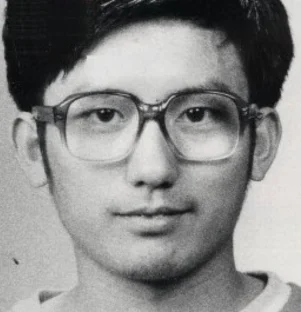
1991Gang Lu was born in 1963 in Beijing, China. He studied physics and later came to the United States for graduate study. He became a physics and astronomy graduate student at the University of Iowa, where he specialized in theoretical space plasma physics. He completed his doctoral degree in May 1991.
Lu was considered academically gifted, but people who knew him described him as isolated and highly sensitive to academic competition. His conflict with the department grew after his dissertation did not receive the D.C. Spriestersbach Dissertation Prize, a prestigious university award that included a cash prize and academic recognition. The award instead went to Linhua Shan, another Chinese physicist.
Lu believed the award decision was unfair and appealed it through university channels. His appeal was denied. He also believed that the prize and a postdoctoral opportunity could have improved his chances of finding academic employment in the United States. By 1991, job prospects in his field were difficult, and the department had limited funding for postdoctoral support.
After the award dispute, Lu prepared for violence. In May 1991, he applied for a gun permit. He received the permit and later purchased a .38-caliber revolver. He also carried an unused .22-caliber handgun on the day of the shooting. Before the attack, he wrote letters explaining his grievances and naming people connected to the dispute.
The University of Iowa shooting happened on Friday, November 1, 1991, in Iowa City, Iowa. At about 3:40 p.m., Gang Lu attended a regular meeting of the theoretical space plasma physics group in Van Allen Hall, the physics department building. A few minutes after the meeting began, he stood up, left briefly, then returned with a handgun.
Lu first shot Christoph K. Goertz, his dissertation adviser, in the head. He then shot Linhua Shan, the fellow physicist who had received the dissertation prize that Lu believed he deserved. He also shot Robert Alan Smith, who was wounded at first. People in the room tried to escape or take cover.
Lu then left the meeting room and went downstairs to the office of Dwight R. Nicholson, chairman of the Department of Physics and Astronomy. He shot Nicholson in the head while Nicholson was at his desk. After that, Lu returned to the meeting room and shot Smith again, killing him. He also fired additional shots at Goertz and Shan.
After the shootings in Van Allen Hall, Lu walked to Jessup Hall, the university’s administration building. He went to the academic affairs office and asked for T. Anne Cleary, who had been connected to the grievance process involving his award appeal. When Cleary came out, Lu shot her in the face. She died from her injuries the following day.
Lu then shot Miya Rodolfo-Sioson, a student employee in the office. She was not known to be part of his dispute and was not clearly identified as one of his intended targets. The gunshot caused a severe spinal injury and left her paralyzed from the neck down.
As police moved into the building, Lu went into an empty room in Jessup Hall. He removed and folded his jacket, then killed himself with a gunshot. The attack lasted about 10 to 12 minutes from the first shots to his suicide.
Investigators later found letters written by Lu before the shooting. The letters described his anger over the dissertation prize and his belief that he had been treated unfairly by the department and university administration. Four letters were written in English and intended for news organizations, while one was written in Chinese. The letters were not fully released to the public.
Gang Lu’s attack remains one of the deadliest university shootings in United States history. It is remembered for the targeted killing of faculty members, a fellow scholar, and a university administrator, as well as for the permanent injury to Miya Rodolfo-Sioson, who survived and later became known for her disability-rights work.
