d: 1920
Summary
Name:
Frederick Rothwell HoltYears Active:
1919Status:
ExecutedClass:
MurdererVictims:
1Method:
ShootingDeath:
April 13, 1920Nationality:
United Kingdomd: 1920
Summary: Murderer
Name:
Frederick Rothwell HoltStatus:
ExecutedVictims:
1Method:
ShootingNationality:
United KingdomDeath:
April 13, 1920Years Active:
1919Date Convicted:
February 27, 1920Frederick Rothwell Holt was born in 1887, though the exact date of his birth was not confirmed in the public sources reviewed. Execution records list him as 32 years old when he was hanged in April 1920, which supports a birth year of about 1887 or 1888.
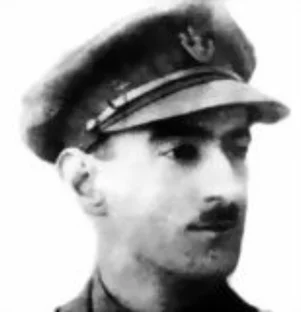
Holt served as an officer in the British Army during the First World War and was commonly referred to in reports as Lieutenant Frederick Rothwell Holt. Several later case summaries state that he had been invalided out of the army after suffering mental-health difficulties connected to his wartime service, including depression, amnesia, and what was then often described as shell shock. An academic discussion of postwar insanity defences identifies Holt as an ex-army lieutenant whose case was part of the wider legal debate over mental illness and criminal responsibility after the war.
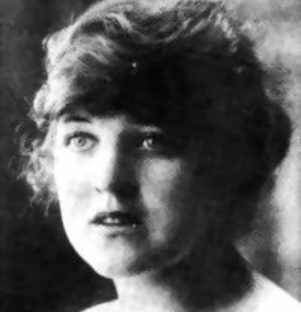
After leaving military service, Holt lived in Lancashire. He became involved with Kathleen Breaks, a 26-year-old woman who was also known as Kitty. She was married but separated from her husband. Holt and Kathleen lived together for a period before her death. Their relationship later became central to the prosecution’s case because Kathleen had taken out a large life-insurance policy and had made Holt the beneficiary shortly before she was killed.
Holt reportedly had an inherited income of about £500 a year, but the prosecution argued that he had been living beyond his means. The state’s theory was that he killed Kathleen to collect money connected to her £5,000 life-insurance policy. That financial motive became the main explanation presented against him at trial.
In the early morning of Christmas Eve 1919, the body of 26-year-old Kathleen Breaks was found among sand dunes on the beach at St Annes on Sea, near Blackpool in Lancashire. She had been shot three times with a revolver. Some records describe the murder date as December 24, 1919, while another case listing states that she was shot on the beach on December 23, 1919. Because the body was found in the early hours of Christmas Eve, the safest date range is the night of December 23 into the early morning of December 24, 1919.
Evidence found near the body connected Holt to the scene. Reports state that his Webley service revolver, bloodstained gloves, and footprints matching his boots were found in or near the dunes. Holt had been Kathleen’s lover, and he was arrested and charged with her murder after the discovery of the body.
The prosecution’s case was based on both physical evidence and financial motive. Kathleen had taken out life insurance worth £5,000 shortly before her death, and the prosecution argued that Holt had arranged to benefit from her death. The state alleged that he murdered her in order to collect the insurance money.
Holt was tried at Manchester Assizes before Mr. Justice Greer between February 23 and February 27, 1920. His defence was led by Sir Edward Marshall Hall, who argued that Holt was not fit to be held criminally responsible because of insanity. The defence relied on claims about Holt’s mental condition after military service and his reported delusions while in custody.
During the case, Holt was reported to have made claims that police had tried to harm him through dogs, insects, and gas. These claims were used by the defence as evidence of mental disturbance. The prosecution argued instead that the killing was deliberate and financially motivated. The jury rejected the insanity defence and found Holt guilty of murder on February 27, 1920.
After conviction, Holt’s appeal was dismissed. Later accounts state that the appeal included medical arguments connected to his mental condition, including a claim involving syphilis and its possible effect on his mind. Academic discussion of the case notes that the appeal court dismissed the new medical evidence as speculative.
Frederick Rothwell Holt was executed by hanging at Strangeways Prison in Manchester on April 13, 1920. Capital Punishment UK lists him as age 32 and states that the execution was carried out by John Ellis, assisted by William Willis. A contemporary Straits Times report also recorded that Holt was executed at Strangeways Prison on April 13, 1920, for the murder of Mrs. Elsie Breaks on the sandhills at St Annes on Sea.
