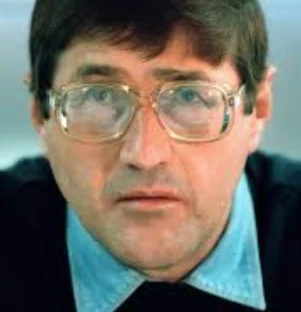
b: 1949
Summary
Name:
Eugene Alexander de KockNickname:
Prime EvilYears Active:
1970 - 1990Birth:
January 29, 1949Status:
ReleasedClass:
MurdererVictims:
6+Method:
Shooting / Bombing / Torture / Assassination operationsNationality:
South Africab: 1949
Summary: Murderer
Name:
Eugene Alexander de KockNickname:
Prime EvilStatus:
ReleasedVictims:
6+Method:
Shooting / Bombing / Torture / Assassination operationsNationality:
South AfricaBirth:
January 29, 1949Years Active:
1970 - 1990“I wish I could do more than say I’m sorry. I wish there was a way of bringing their bodies back alive.”
— Eugene Alexander de Kock
Eugene Alexander de Kock was born on January 29, 1949, in South Africa. He grew up on a plot in South Africa as a shy, lonely child who struggled severely with a stutter. His father, Lourens de Kock, was an aggressive, abusive magistrate, a strict disciplinarian, and an alcoholic who heavily indoctrinated Eugene and his brother Vossie into militant Afrikaner nationalism and white supremacy. Though his brother later recalled him as a "quiet boy" who was not naturally violent, Eugene harbored a long-standing childhood ambition to become a military officer.
After finishing high school in 1967, he completed his compulsory national service as an infantry soldier. However, his severe stutter made him feel unsuitable for the South African Defence Force Officers' College, and poor eyesight later barred him from elite police units. Consequently, he joined the ordinary uniform branch of the South African Police, a path that ultimately led him into the state's covert counterinsurgency apparatus.
Eugene de Kock became the commanding officer of Vlakplaas, a secret South African Police unit used against anti-apartheid activists. Under his command, the unit carried out assassinations, bombings, kidnappings, torture, and covert attacks. Many victims were black activists, African National Congress members, or people suspected by the apartheid government of supporting liberation movements.
The Vlakplaas unit used different methods to kill or silence suspected opponents. These included shootings, explosives, ambushes, and staged operations intended to hide the state’s involvement. Some victims were killed and then had their bodies burned, blown up, or otherwise destroyed to remove evidence. De Kock later testified about many of these operations before South Africa’s Truth and Reconciliation Commission.
After apartheid ended and South Africa held its first democratic elections in 1994, de Kock became one of the most visible former security officials to face criminal prosecution. In 1996, he was convicted on 89 charges, including six counts of murder, conspiracy to murder, attempted murder, kidnapping, assault, fraud, and illegal weapons offenses. He was sentenced to two life terms plus 212 years in prison.
De Kock’s case became historically important because he did not only admit his own crimes. He also accused senior apartheid-era politicians and security officials of authorizing or knowing about violent operations. This made him a central figure in South Africa’s effort to uncover the truth about state violence under apartheid.
During the Truth and Reconciliation Commission process, de Kock applied for amnesty for some crimes and gave detailed testimony about police death-squad activity. He became both hated and closely studied because he openly described how the apartheid security system operated. The BBC later described him as a key figure whose testimony exposed crimes that many former apartheid leaders denied or avoided discussing.
While in prison, de Kock was interviewed by psychologist Pumla Gobodo-Madikizela, who later wrote A Human Being Died That Night. Her work examined de Kock’s remorse, the nature of evil, and whether forgiveness could be possible after extreme political violence. Some relatives of victims met with him, and some accepted his apologies, while others rejected forgiveness and believed he should remain imprisoned.
On January 30, 2015, South Africa’s justice minister granted de Kock parole after he had served more than 20 years in prison. The decision was controversial. Supporters of parole argued that he had cooperated more fully than many senior apartheid officials and had helped families locate remains or learn what happened to victims. Critics argued that his crimes were too severe and that parole reopened wounds for victims’ families.
