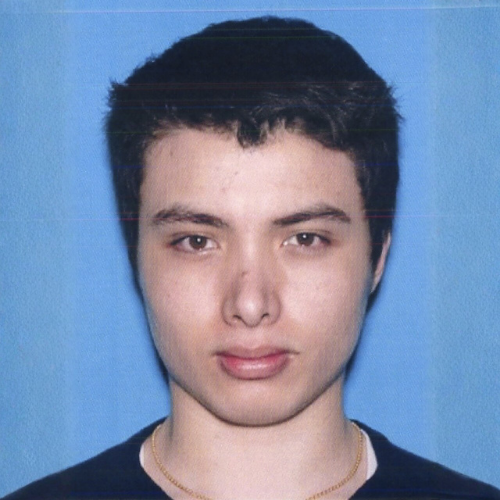
1991 - 2014
Summary
Name:
Elliot Oliver Robertson RodgerYears Active:
2014Birth:
July 24, 1991Status:
DeceasedClass:
Mass MurdererVictims:
5Method:
Stabbing / Shooting / Vehicle-rammingDeath:
May 23, 2014Nationality:
United Kingdom / USA1991 - 2014
Summary: Mass Murderer
Name:
Elliot Oliver Robertson RodgerStatus:
DeceasedVictims:
5Method:
Stabbing / Shooting / Vehicle-rammingNationality:
United Kingdom / USABirth:
July 24, 1991Death:
May 23, 2014Years Active:
2014Elliot Rodger was born on 24 July 1991 in London, England, and spent his earliest years in the United Kingdom before relocating with his family to the United States during childhood. His father, Peter Rodger, worked in film production, and accounts of Rodger’s upbringing commonly describe a family environment with access to comfort and opportunity. Rodger later lived in Southern California and, as a young adult, moved to Isla Vista—an unincorporated community adjacent to the University of California, Santa Barbara (UCSB)—where many students in the area lived and socialized.
Long before the attack, people around Rodger noted that he struggled socially and often appeared isolated. Public reporting and the Sheriff’s investigative summary describe a pattern of escalating resentment, fixation on rejection, and increasing preoccupation with status and perceived social hierarchies. In the period leading up to the killings, Rodger left behind extensive writings and video posts that framed his anger toward women and toward men he considered more successful socially. These materials—especially a lengthy manifesto later widely circulated—became central to later discussions about warning signs, online grievance communities, and how personal crises can harden into violent ideation.
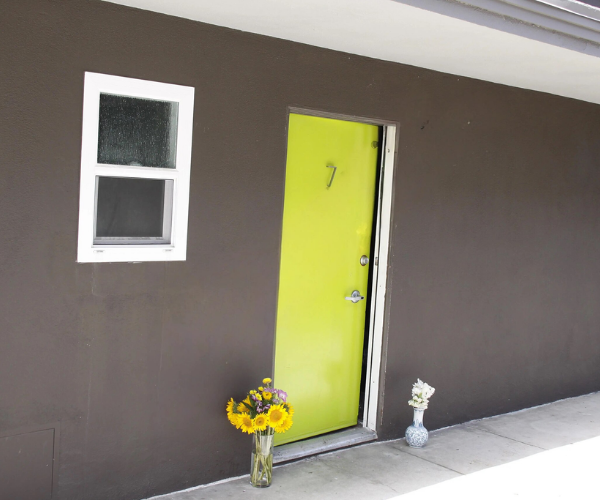
In the weeks before 23 May 2014, Rodger’s behavior raised enough concern that people close to him sought help. A welfare check was conducted by law enforcement after family concerns were relayed, a fact later highlighted in major news coverage and official reviews of the case. The Sheriff’s Office later documented multiple prior contacts between Rodger and authorities in the months before the attack.
On 23 May 2014, Rodger carried out a multi-location attack in Isla Vista, near UCSB, killing six people and injuring fourteen others, according to the Santa Barbara County Sheriff’s Office investigative summary. The events unfolded across a short, chaotic period and involved different methods of violence: stabbings, shootings, and striking pedestrians with a vehicle. Investigators later concluded that Rodger acted alone.
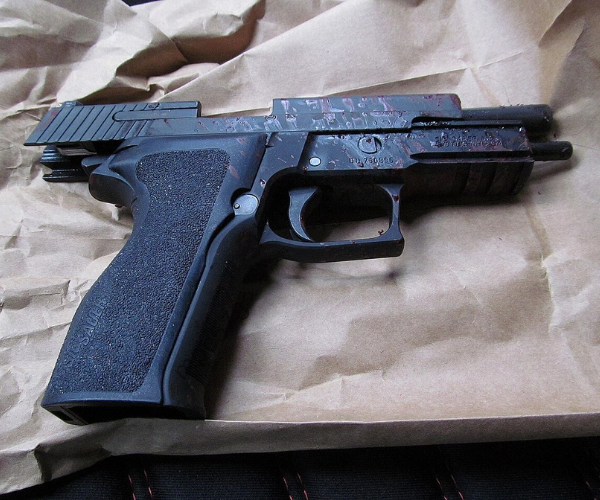
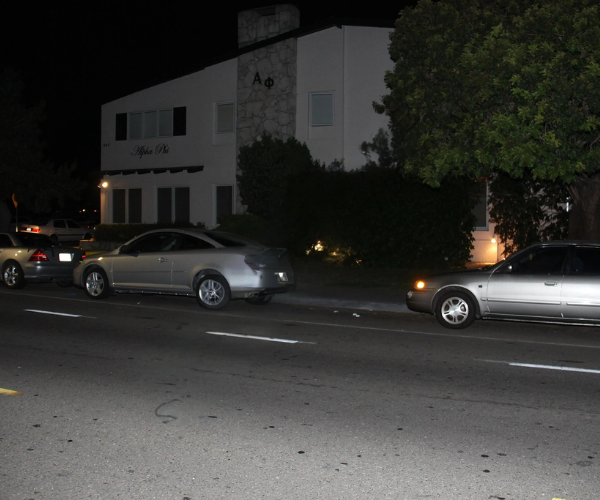
The Sheriff’s account describes Rodger beginning the night by killing three people inside the apartment he shared—two roommates and a visiting friend—before leaving the scene and continuing the attack elsewhere. Later, near a sorority house, he shot at pedestrians, killing two young women and seriously injuring another person. The rampage continued as he drove through Isla Vista, firing at people in public areas and using his car to hit others, which contributed to the total number of injuries. He also shot and killed another victim at a nearby location before the final phase of the incident.
Law enforcement confronted Rodger during the incident, and the official summary notes exchanges of gunfire. The attack ended when Rodger crashed his vehicle; he was found dead from a self-inflicted gunshot wound, ending any possibility of arrest, trial, or conviction. An investigative report was later released publicly, documenting the timeline, the prior contacts with authorities, and the materials he left behind, including his manifesto and a final video posted shortly before the violence.
The six people killed in the Isla Vista attacks were: Weihan “David” Wang; Cheng Yuan “James” Hong; George Chen; Veronika Weiss; Katherine “Katie” Cooper; and Christopher Michaels-Martinez.
In the immediate aftermath, UCSB and the surrounding community held large public memorials and vigils as students and families gathered to mourn the victims. In later years, Rodger’s writings and the way parts of the internet reacted to the killings were frequently cited in conversations about misogyny, online radicalization, and preventing targeted violence, especially because some later perpetrators referenced the Isla Vista attack.
