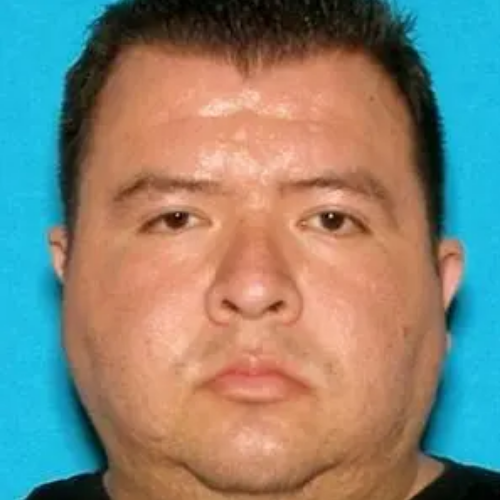
1979 - 2011
Summary
Name:
Eduardo SencionYears Active:
2011Birth:
July 22, 1979Status:
DeceasedClass:
Mass MurdererVictims:
4Method:
ShootingDeath:
September 06, 2011Nationality:
Mexico1979 - 2011
Summary: Mass Murderer
Name:
Eduardo SencionStatus:
DeceasedVictims:
4Method:
ShootingNationality:
MexicoBirth:
July 22, 1979Death:
September 06, 2011Years Active:
2011Eduardo Sencion, also known as Eduardo Perez-Gonzalez, was born on July 22, 1979, in Mexico. At some point in his life, he obtained a valid United States passport and lived primarily in Nevada and California. He worked at his family’s business in South Lake Tahoe and had no documented criminal history prior to 2011.
At the age of eighteen, Sencion was diagnosed with paranoid schizophrenia. Toxicology reports later confirmed that at the time of the shooting, there were no antipsychotic medications present in his system. Public records indicate that he experienced financial difficulties in the years leading up to the attack. In January 2009, Sencion filed for bankruptcy, reporting more than $42,000 in debt related to vehicle loans, credit cards, and medical expenses.
On the morning of September 6, 2011, a mass shooting occurred at an IHOP restaurant located in a strip mall in Carson City, Nevada.
At approximately 8:56 a.m., Eduardo Sencion arrived at the strip mall driving a blue minivan registered to his brother. Seconds later, at 8:57:15 a.m., he exited the vehicle and fired approximately 30 rounds into the air using a Norinco MAK‑90 rifle that had been illegally modified to function as a fully automatic weapon. After reloading, he entered the IHOP restaurant at 8:57:40 a.m. and proceeded toward the back seating area.
Inside the restaurant, Sencion first shot and killed a 67‑year‑old woman seated at a table and wounded her husband. He then turned his attention to a nearby booth occupied by uniformed members of the Nevada National Guard who were eating breakfast together. Five guardsmen were shot, three of them fatally. Sencion continued firing at additional diners, wounding two more people, one of whom later required a leg amputation due to the severity of the injuries.
Sencion exited the restaurant at 8:58:07 a.m., reloaded his rifle, and moved into the parking lot. At 8:58:18 a.m., he approached a woman sitting on a motorcycle and shot her at close range. Her life was saved because she was wearing a helmet, which absorbed most of the impact. Moments later, Sencion fired additional shots into nearby businesses and into his own vehicle, causing property damage but no further injuries.
At 8:58:37 a.m., the gunfire stopped. Sencion walked back toward his minivan while ejecting the magazine from his rifle. Investigators believe that between 8:58:40 and 8:58:45 a.m., he retrieved a Colt Agent revolver from inside the vehicle and fatally shot himself in the head.
Police arrived on the scene at 9:06 a.m. Sencion was transported to a hospital, where he was pronounced dead approximately three hours later from the self‑inflicted gunshot wound. Additional firearms were discovered in his vehicle, including a Romarm/CUGIR WASR‑10 rifle and a Glock 26 semi‑automatic pistol.
Four people were killed during the attack:
Three victims were pronounced dead at the scene. Sgt. McElhiney later died at a local hospital. Seven additional people were wounded, including two members of the National Guard. Four victims were listed in critical condition following the attack.
Due to concerns that the shooting might be part of a broader threat, Nevada officials ordered temporary lockdowns of the state capitol and Supreme Court buildings and increased security at military and government facilities across northern Nevada.
Law enforcement ultimately concluded that the attack was an act of random mass violence. No manifesto, note, or clear motive was ever identified.
