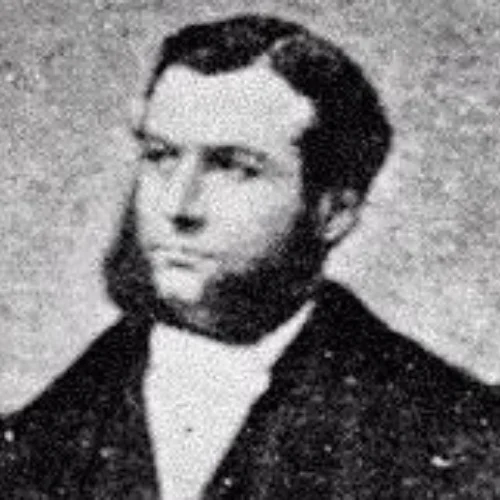
1830 - 1864
Summary
Name:
Edmond-Désiré Couty de la PommeraisNickname:
Count de la PommeraisYears Active:
1862 - 1863Birth:
May 18, 1830Status:
ExecutedClass:
MurdererVictims:
2+Method:
PoisoningDeath:
June 09, 1864Nationality:
France1830 - 1864
Summary: Murderer
Name:
Edmond-Désiré Couty de la PommeraisNickname:
Count de la PommeraisStatus:
ExecutedVictims:
2+Method:
PoisoningNationality:
FranceBirth:
May 18, 1830Death:
June 09, 1864Years Active:
1862 - 1863Date Convicted:
June 9, 1864Edmond-Désiré Couty de la Pommerais was born on May 18, 1830 in France. He pursued an education in medicine. He eventually became a physician and was known to practice homeopathy.
He married Mademoiselle Dubiczy, who came from a wealthy family. They had a life that seemed stable, but de la Pommerais had troubles managing money. He was a spendthrift and had a gambling problem.
As his financial struggles deepened, he began an affair with a widow named Séraphine de Pauw. She had previously been married. While he was involved with Séraphine, he persuaded her to purchase life insurance and make him her beneficiary.
He became known for his knowledge of medicines and poisons, which he used to manipulate situations in his favor.
Edmond-Désiré Couty de la Pommerais was a French physician who committed several serious crimes in the 1860s. His first known murder was of his mother-in-law, Madame Dubizy, in 1862. After sharing a meal with her and his wife, she abruptly fell ill and passed away shortly after. There were no clear signs of what caused her death at that time.
Afterward, Couty de la Pommerais planned to kill his mistress, Madame de Pauw. He persuaded her to fake an illness so he could collect money from her life insurance policy, where he was the beneficiary. Later, she fell mysteriously ill and died within a few hours. This sparked suspicion, leading to an anonymous tip that alerted police to potential foul play.
The case drew attention from a forensic pathologist named Professor Ambroise Tardieu. He noticed Madame de Pauw's symptoms suggested a poison was used. Tardieu experimented by injecting frogs with substances taken from the victim's remains and discovered that she had been poisoned with digitalis, a drug used for heart conditions. This revelation would be crucial in linking Couty de la Pommerais to the two murders.
The trial took place in 1864. During the proceedings, Tardieu's methods and findings were challenged, but the evidence he presented ultimately held strong. Couty de la Pommerais was found guilty of murder. He was executed by guillotine in June 1864.
