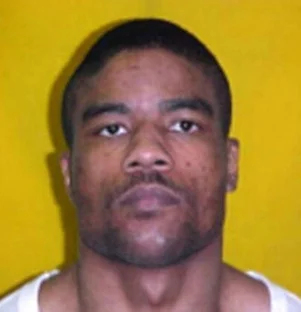
Summary
Name:
Dwight Jeffrey LovingYears Active:
1988Status:
ImprisonedClass:
MurdererVictims:
2Method:
ShootingNationality:
USASummary: Murderer
Name:
Dwight Jeffrey LovingStatus:
ImprisonedVictims:
2Method:
ShootingNationality:
USAYears Active:
1988Date Convicted:
April 3, 1989Dwight Jeffrey Loving was born around 1968 and was from Rochester, New York. By 1988, Loving was serving as a private in the United States Army and was stationed at Fort Hood, Texas. He was living in the barracks when the robberies and murders occurred. His military status made his case subject to the military justice system rather than an ordinary state murder trial.
On the night before the killings, Loving committed two armed robberies at convenience stores and stole a small amount of money. He then decided to target taxi drivers for robbery. This decision led to the murders of Christopher Fay and Bobby Sharbino, and the attempted murder of a third taxi driver.
After his arrest, Loving gave a videotaped confession and later signed a written transcript of it. He was tried by military court-martial in 1989 and sentenced to death.
The murders happened on December 12, 1988, in and around Fort Hood and Killeen, Texas. Loving had already committed two convenience-store robberies the night before and then decided to rob taxi drivers.
The first victim was Pvt. Christopher Fay, an active-duty soldier who was working as a taxi driver for extra income. Around 8:00 p.m., Fay drove Loving from Killeen to a secluded area of Fort Hood. Loving robbed him at gunpoint. After taking Fay’s money, Loving shot him in the back of the head. He then shot him a second time. Fay’s body was found about 30 minutes later by another soldier.
After killing Fay, Loving returned to his barracks, counted the money, and called for another taxi. The second driver was Bobby Sharbino, a retired Army sergeant. Sharbino drove Loving from Fort Hood to a secluded street in Killeen. Loving robbed him at gunpoint, ordered him to lie down on the seat, and shot him in the head.
After the second murder, Loving spent time at local nightclubs. Later that night, he robbed and attempted to kill a third taxi driver, Howard Harrison. Harrison fought back and managed to disarm him. Loving escaped on foot. Loving was arrested the next afternoon by civilian and Army authorities. He confessed to the crimes. The evidence against him included his videotaped confession and later written confirmation of that confession.
A military court-martial found Loving guilty of premeditated murder, felony murder, attempted murder, and multiple robbery offenses. On April 3, 1989, he was sentenced to death. Loving’s case later reached the United States Supreme Court. In 1996, the Court upheld the military death-penalty framework used in his case, rejecting his argument that the President lacked authority to define aggravating factors for military capital sentencing.
Loving remained on military death row for many years at the United States Disciplinary Barracks. Military executions require presidential approval, and no president authorized his execution. On January 17, 2017, President Barack Obama commuted Loving’s death sentence to life imprisonment without parole. The commutation specified that he would have no parole or release rights under federal prison sentence-remission rules.
