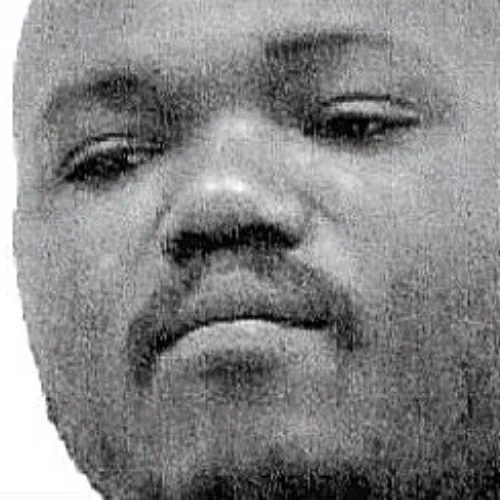
d: 1998
Summary
Name:
Dwayne Allen WrightYears Active:
1989Status:
ExecutedClass:
MurdererVictims:
3Method:
ShootingDeath:
October 14, 1998Nationality:
USAd: 1998
Summary: Murderer
Name:
Dwayne Allen WrightStatus:
ExecutedVictims:
3Method:
ShootingNationality:
USADeath:
October 14, 1998Years Active:
1989“My attorney has my statement.”
— Dwayne Allen Wright
Dwayne Allen Wright was born in 1972 into a troubled family in Washington, D.C. His early years were marked by hardship. By the age of four, his father was imprisoned, leaving his mother to care for him and his siblings. His mother struggled with mental illness and often faced unemployment, which made their living conditions difficult.
As Wright grew older, he experienced significant trauma. He lost his half-brother, who was very close to him, to murder when he was just ten years old. This event deeply impacted him and contributed to emotional problems that persisted throughout his childhood.
Wright had a challenging time in school and was evaluated multiple times for mental health issues. By the time he turned 13, he was committed to a mental hospital for severe depression and other psychiatric issues. Evaluations indicated he had borderline intellectual functioning and signs of brain damage.
During his adolescence, Wright spent time in juvenile detention facilities. His upbringing was marked by exposure to violence and crime in his neighborhood. These experiences shaped his life and contributed to the many difficulties he faced as a young adult.
At 17, Wright became involved in a series of violent crimes that would change the course of his life forever. He was arrested shortly after, and this marked the end of his troubled youth and the beginning of a much more serious chapter in his life.
Dwayne Allen Wright committed his first murder on October 11, 1989, when he shot two people over a failed robbery in Maryland. By October 13 of the same year, he tracked Saba Tekle, a 33-year-old woman, to her apartment in Virginia. After spotting her driving a car he wanted to steal, he decided to approach her at gunpoint. He demanded her car keys and forced her to undress. When she realized what was happening, she screamed and tried to run back to her apartment. Wright then shot her in the back with a .38-caliber pistol.
After committing these crimes, Wright fled the scene. The police quickly connected the murders to him through forensic evidence, including fingerprints found on a vehicle he had stolen. On October 14, just one day after Tekle's murder, he was arrested by law enforcement in Washington, D.C. Wright admitted to the police that he had followed Tekle and attempted to rob her.
He was charged with multiple crimes, including capital murder for Tekle's death, and was tried in Virginia. During the trial, the jury was informed of his prior violent acts, which set the stage for the prosecution to push for a death sentence. Ultimately, he was convicted and sentenced to death in 1992. Wright's execution took place on October 14, 1998, nearly nine years after his last murder. He was executed by lethal injection at the Greensville Correctional Center in Virginia.
