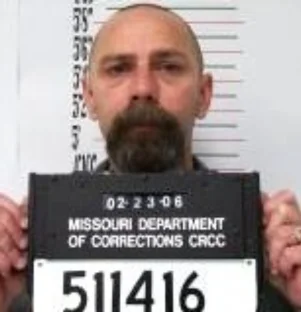
b: 1959
Summary
Name:
Doyle KelleyYears Active:
1990 - 1993Birth:
February 07, 1959Status:
ImprisonedClass:
MurdererVictims:
2Method:
Strangulation / DrowningNationality:
USAb: 1959
Summary: Murderer
Name:
Doyle KelleyStatus:
ImprisonedVictims:
2Method:
Strangulation / DrowningNationality:
USABirth:
February 07, 1959Years Active:
1990 - 1993Doyle Kelley was born on February 7, 1959. He lived in Joplin, Missouri, and was married to Diana Kelley before her death in 1990. He later married Christy Kelley, who died in 1993. Kelley became known after both of his wives died under suspicious circumstances less than three years apart. Diana had separated from him about two weeks before her death and was staying with her mother. Kelley told police they were supposed to meet on September 25, 1990, but she never arrived. Her body was found the next morning inside her car in a Joplin parking lot.
After Diana’s death, Kelley married Christy Kelley. By March 1993, they had also separated. In April 1993, they arranged to meet to exchange property. Witnesses saw them together at Christy’s apartment complex on April 24, 1993. The next evening, after Christy failed to pick up her daughter, police entered her apartment and found her body face down in the bathtub.
Investigators later connected the two deaths through medical evidence. Diana’s body was exhumed in 1993, and a later autopsy found signs of ligature strangulation. Christy’s death was ruled a drowning, but her injuries were described as inconsistent with a simple bathtub fall. Kelley was tried for both deaths and convicted of first-degree murder. He received life imprisonment without parole. On appeal, his conviction for Diana’s murder was affirmed, while the conviction for Christy’s murder was reversed because of improperly admitted hearsay evidence.
Diana Kelley was found dead on the morning of September 26, 1990, inside her car in a Joplin, Missouri parking lot. Doyle Kelley, who was her husband at the time, had already filed a missing-person report before her body was discovered. He told police that he and Diana had been separated for about two weeks and that they had arranged to meet the night before, on September 25, but that she did not appear. Diana’s mother, Virginia Stepp, confirmed that Kelley called twice that night asking about Diana. She also told police Diana had been afraid of him and had been living at her home before the death.
The first autopsy on Diana’s body was conducted by Dr. James Habermann. He observed small hemorrhages on her face and neck and determined that she died of respiratory failure, but he could not confirm strangulation at that time. A friend of Diana’s, Debra Stout, later testified that Diana had been wearing a gold chain and St. Christopher medal shortly before her death. Two days after Diana died, Stout saw Kelley take Diana’s chain and medal to the basement and smash it. Kelley claimed the jewelry had been given to him by the police or mortuary staff, but officers testified that the chain and medal were not found at the scene.
In 1991, Kelley married Christy Kelley. By March 1993, they had separated. On April 24, 1993, Kelley and Christy arranged to meet to exchange property. Witnesses saw both of them at Christy’s apartment parking lot that afternoon. Another witness saw Kelley alone at the apartment building later that day. On April 25, 1993, Christy’s family called police after she was several hours late to pick up her daughter. Joplin officers entered her apartment and found her body floating face down in the bathtub.
Dr. Darrell Swank performed the autopsy on Christy. He found a deep laceration on her forehead caused by blunt force trauma, vomit in her nose and mouth, and edema in her lungs. He concluded that Christy died from drowning. After investigators reconsidered both cases, Diana’s body was exhumed on August 25, 1993. Dr. Jill Gould performed new examinations of both women. In Diana’s case, she found that the ligament from the hyoid bone had been pulled apart and that there was bruising behind the esophagus. Dr. Gould concluded Diana died from soft ligature strangulation. In Christy’s case, she confirmed drowning as the cause of death and noted bruises from multiple directions, which she said were inconsistent with a fall in the bathtub.
While Kelley was jailed in Jasper County awaiting trial, another inmate, Lonnie Bell, was housed near him for several days in June 1994. Bell testified that Kelley admitted killing both Diana and Christy by strangling them. Kelley later challenged Bell’s testimony and argued that Bell had acted as an agent of law enforcement, but the trial court rejected that argument. The Missouri Court of Appeals later found that there was enough evidence to support the trial court’s decision allowing Bell’s testimony.
A jury convicted Kelley of first-degree murder in both deaths. For each conviction, the trial court sentenced him to life imprisonment without parole. Kelley appealed, arguing that the two murder charges should not have been joined and that several evidentiary rulings were improper. The Missouri Court of Appeals rejected the joinder argument, finding that the two cases had enough similarities to be tried together: both victims had been married to Kelley, both had separated from him before their deaths, both had arranged to meet him before dying, and both showed evidence of physical battery near the time of death.
However, the appeals court reversed the conviction for Christy Kelley’s murder. The court ruled that hearsay statements from Christy, introduced through witnesses Kathy Weston and Dana Proffitt, were improperly admitted and prejudiced the case involving Christy’s death. Those statements included claims that Kelley had made threatening remarks after Christy said she no longer wanted to be married or after he learned she was seeing another man. The court held that the statements did not properly qualify under the state-of-mind exception to the hearsay rule.
The appeals court affirmed Kelley’s conviction for Diana Kelley’s murder and affirmed the denial of postconviction relief for that conviction. The Christy Kelley conviction was reversed and remanded for further proceedings. Later secondary summaries and inmate-information listings continued to describe Kelley as serving life without parole with active first-degree murder offenses listed, but the reviewed court opinion makes clear that the appellate status of the Christy conviction changed in 1997.
