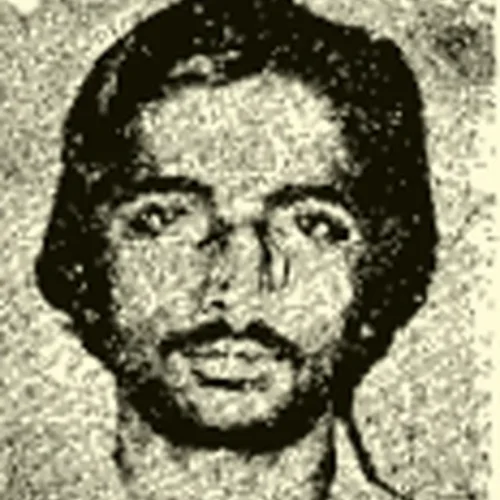
d: 1983
Summary
Name:
Dilip Dhyanoba SutarNickname:
Member of the Joshi–Abhyankar GangYears Active:
1976 - 1977Status:
ExecutedClass:
Serial KillerVictims:
10Method:
StrangulationDeath:
November 27, 1983Nationality:
Indiad: 1983
Summary: Serial Killer
Name:
Dilip Dhyanoba SutarNickname:
Member of the Joshi–Abhyankar GangStatus:
ExecutedVictims:
10Method:
StrangulationNationality:
IndiaDeath:
November 27, 1983Years Active:
1976 - 1977Date Convicted:
September 28, 1978Dilip Dhyanoba Sutar was born in Pune, Maharashtra, India. He grew up in a lower-middle-class family. From a young age, he showed an interest in art, which led him to enroll at Abhinav Kala Mahavidyalaya, a local art college. There, he studied commercial art and met other students who would later become part of his group.
While in college, Sutar developed a reputation for bad behavior. He and his friends often engaged in petty theft. They also liked to drink alcohol, which led them into trouble on campus. The students struggled financially, and this need for money likely influenced their choices.
Sutar, along with his classmates, became close friends. They formed a bond through their shared experiences at the college and their interest in exploring art. However, their friendship took a dark turn as they began to engage in criminal activities. Sutar and his friends would often find themselves in conflict with others due to their behavior.
Dilip Dhyanoba Sutar, along with three friends, committed a series of murders in Pune, India, between January 1976 and March 1977. Their first victim was Prakash Hegde, who was kidnapped on January 15, 1976. The group took him to a shed and forced him to write a note to his father. They later strangled him with a nylon rope, placed his body in a barrel, and dumped it into a lake.
They then attempted to target families for robbery and murder. On October 31, 1976, they attacked Achyut Joshi and his wife at their home, killing both and their teenage son, Anand, who walked in during the attack. A few weeks later, on November 22, they tried to rob Yashomati Bafna’s house but were met with resistance and had to escape.
On December 1, 1976, they violently entered the home of renowned scholar Kashinath Shastri Abhyankar. In this attack, they killed five members of the family, strangulating them one by one. Each victim was gagged and bound to prevent any chance of escape.
Their last known victim was Anil Gokhale on March 23, 1977. They tricked him into accepting a ride, took him to a shed, and killed him in the same manner as their previous victims. Anil’s body was discovered the next day, floating in a river, which led investigators to connect the dots between the murders.
The investigation was led by Assistant Commissioner of Police Madhusudan Hulyalkar. On March 30, 1977, the four were arrested after inconsistencies in their stories raised suspicion. The police received key information from a colleague of Sutar and the others, leading to further confessions.
Their court case began on May 15, 1978. After a lengthy trial, they were sentenced to death on September 28, 1978. Their appeals were denied by various courts, and they even sought clemency from the President of India, which was unsuccessful. On November 27, 1983, they were executed by hanging at Yerawada Central Jail.
