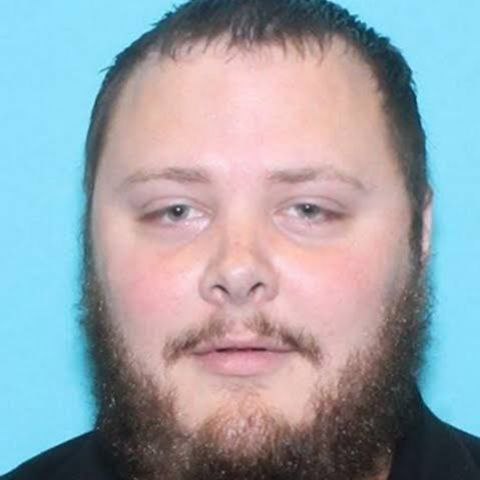
1991 - 2017
Summary
Name:
Devin Patrick KelleyYears Active:
2017Birth:
February 12, 1991Status:
DeceasedClass:
Mass MurdererVictims:
26Method:
ShootingDeath:
November 05, 2017Nationality:
USA1991 - 2017
Summary: Mass Murderer
Name:
Devin Patrick KelleyStatus:
DeceasedVictims:
26Method:
ShootingNationality:
USABirth:
February 12, 1991Death:
November 05, 2017Years Active:
2017“Everybody dies, motherfuckers!”
— Devin Patrick Kelley
Devin Patrick Kelley was born on February 12, 1991, and raised in New Braunfels, Texas. He attended New Braunfels High School, where he developed a reputation for behavioral problems and disciplinary issues. School records documented multiple suspensions for offenses that included insubordination, falsifying records, profanity, and drug‑related misconduct. Former classmates described him as socially isolated but not entirely withdrawn, noting that he gravitated toward other marginalized students.
After graduating high school in 2009 with below‑average academic performance, Kelley enlisted in the United States Air Force. Initially trained for an intelligence‑related role, he failed to complete the program and was reassigned to logistics readiness duties at Holloman Air Force Base in New Mexico. His service record quickly deteriorated.
Kelley’s military career became increasingly unstable following incidents of domestic violence. In 2012, he assaulted his wife and fractured his infant stepson’s skull. He also made explicit death threats against superior officers and was discovered attempting to smuggle firearms onto the base. During this period, Kelley exhibited suicidal ideation and was admitted to a mental health facility in New Mexico. He later escaped from the facility before being apprehended in Texas.
Later in 2012, Kelley was court‑martialed and pleaded guilty to assault charges under the Uniform Code of Military Justice. He was sentenced to confinement, reduced in rank, and eventually discharged from the Air Force in 2014 with a bad conduct discharge. His criminal conviction legally barred him from owning or purchasing firearms under federal law, though this restriction was not properly reported to federal databases.
Following his military discharge, Kelley’s life remained unstable. He was repeatedly accused of domestic abuse, sexual assault, threats of violence, and cruelty to animals. While some investigations did not result in charges, multiple protective orders were issued against him. Former partners described a pattern of intimidation, physical violence, and threats involving firearms. Kelley also developed increasingly aggressive online behavior, including anti‑religious rhetoric and expressions of fascination with mass shootings.
By 2017, Kelley was again living at his parents’ property in New Braunfels and working intermittently as a security guard. Despite his criminal history, he was able to purchase multiple firearms due to failures in background‑check reporting by the U.S. Air Force.
On the morning of November 5, 2017, Devin Patrick Kelley carried out the deadliest mass shooting in Texas history at the First Baptist Church in Sutherland Springs. Shortly after 11:00 a.m., Kelley arrived at the church in a white SUV. At approximately 11:20 a.m., he exited the vehicle wearing black tactical clothing, a ballistic vest, and a skull‑patterned face mask, armed with a Ruger AR‑556 semi‑automatic rifle.
Kelley began firing outside the church, killing two people before entering the sanctuary during a Sunday worship service. Once inside, he moved methodically up and down the central aisle, firing repeatedly at congregants seated in the pews. During the attack, he shouted, “Everybody dies, motherfuckers!” Authorities later determined that Kelley fired approximately 450 rounds over an estimated eleven‑minute period, reloading multiple high‑capacity magazines as he continued the assault.
The massacre was partially captured on the church’s internal video recording system, which had been installed to stream services online. The footage showed Kelley pausing only to reload as he targeted victims. In total, 26 people were killed, including women, men, children, and an unborn child. The victims ranged in age from 5 to 77 years old. Twenty‑three died inside the church, two outside, and one later died in a hospital. Among the dead were multiple members of the same families, including visiting pastor Bryan Holcombe and eight of his relatives.
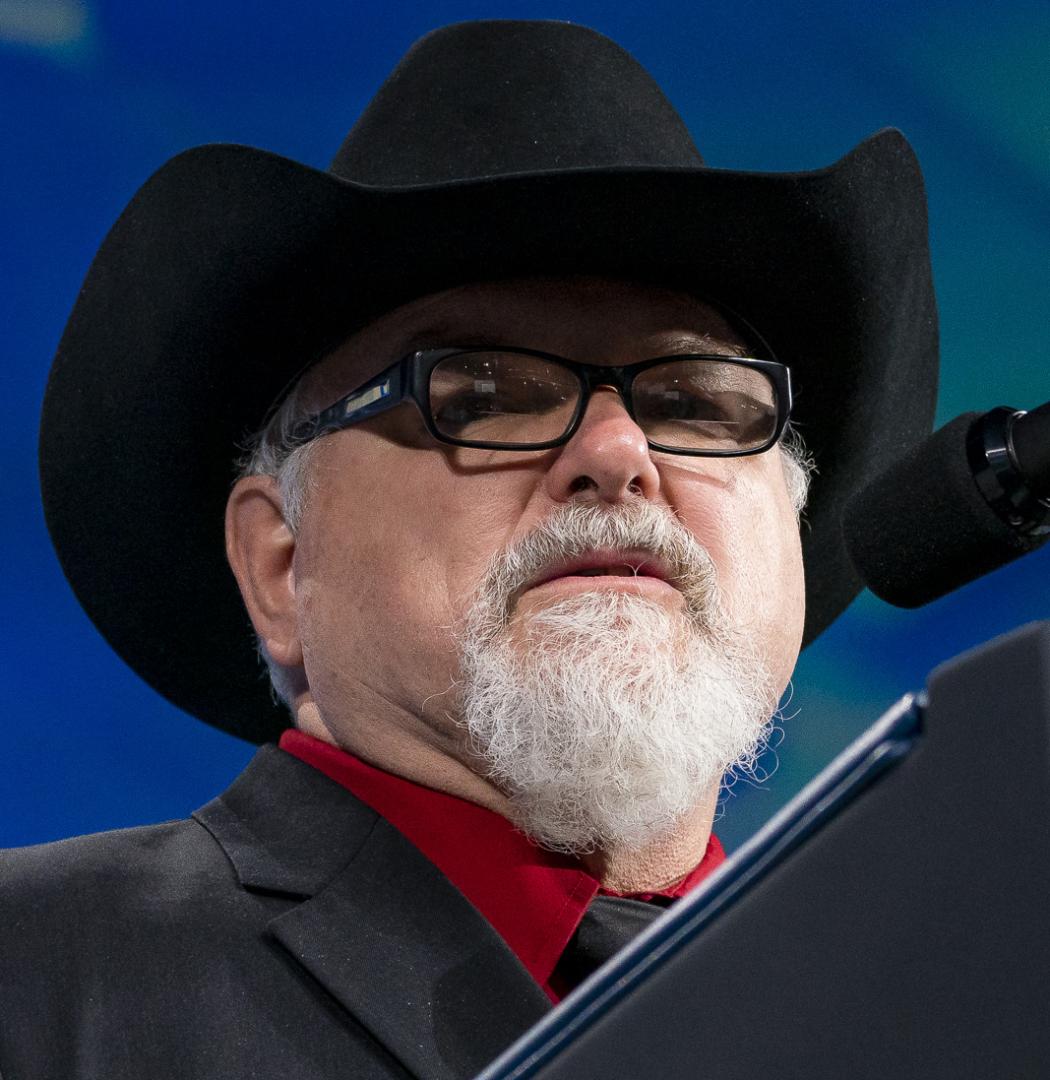
The attack was interrupted when Stephen Willeford, a nearby resident and former firearms instructor, engaged Kelley with an AR‑15 rifle from outside the church. Willeford struck Kelley twice, forcing him to drop his rifle and flee in his vehicle. Willeford then joined Johnnie Langendorff, a passing motorist, and the two pursued Kelley at high speed while relaying information to police.
During the chase, Kelley contacted his wife and parents, admitting that he had carried out the church shooting and expressing belief that he would not survive. Shortly afterward, he lost control of his vehicle, which crashed into a roadside ditch. When police arrived, Kelley was found dead inside the car with multiple gunshot wounds, including a self‑inflicted wound to the head. Two handguns were recovered from the vehicle.
The investigation concluded that the attack was motivated by personal grievance, particularly anger toward his estranged wife and her family, some of whom attended the church. Federal investigators confirmed that Kelley should have been prohibited from owning firearms due to his domestic violence conviction. In 2021, a federal judge ruled that the U.S. government was negligent in failing to report his court‑martial conviction, awarding victims and families more than $230 million in damages.
