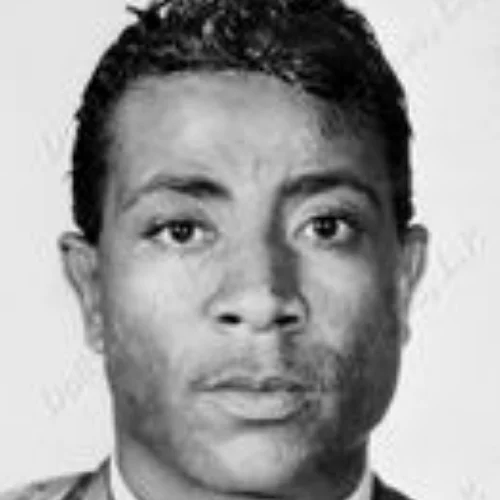
1924 - 2006
Summary
Name:
DeVernon LeGrandNickname:
The Reverend / Doc / BishopYears Active:
1963 - 1976Birth:
November 04, 1924Status:
DeceasedClass:
Serial KillerVictims:
12+Method:
Beating / Stomping / Dismemberment / ShootingDeath:
December 12, 2006Nationality:
USA1924 - 2006
Summary: Serial Killer
Name:
DeVernon LeGrandNickname:
The Reverend / Doc / BishopStatus:
DeceasedVictims:
12+Method:
Beating / Stomping / Dismemberment / ShootingNationality:
USABirth:
November 04, 1924Death:
December 12, 2006Years Active:
1963 - 1976“I was a minister, and I liked a lot of women.”
— DeVernon LeGrand
DeVernon LeGrand was born on November 4, 1924, in Laurinburg, North Carolina. He moved to New York as a child and eventually settled in Brooklyn. He became known as a self-styled religious leader who used titles such as “Reverend,” “Bishop,” and “Doc,” even though his claimed credentials were questioned in later reporting.
By the 1960s, LeGrand was operating St. John’s Pentecostal Church of Our Lord from a four-story building at 222 Brooklyn Avenue in Crown Heights, Brooklyn. The building served as both a church and a residence for women and children connected to him. Later reports described the place as crowded, abusive, and controlled by LeGrand.
LeGrand’s public image was built around religion. He presented himself as a minister and spiritual leader, but investigators and later reporters described the church as a fraudulent operation. Women dressed in black habits resembling nuns were sent into New York streets and subways to collect money. Many people believed they were donating to a religious charity, but later reporting described the operation as a fake charity scheme controlled by LeGrand and his family.
Inside the church, LeGrand held power over a large group of women and children. Reports stated that many of the women were young, vulnerable, and dependent on him. He fathered many children, with later reporting saying he had as many as 46 children. The women connected to the church were often described as “nuns,” but they were not members of a recognized Catholic order.
LeGrand’s criminal history began long before his murder convictions. A FOIL-request summary lists a 1965 arrest at 222 Brooklyn Avenue on kidnapping, felonious assault, and weapons charges, and later arrests or investigations in the late 1960s for kidnapping, assault, and rape-related allegations. Some of those earlier cases were not successfully prosecuted, but they show that police had concerns about him years before the murders were proven.
In 1975, LeGrand and his son Noconda were convicted in a rape case involving a young woman connected to the church. That conviction became important because two young women, Gladys Stewart and Yvonne Rivera, had helped or were expected to help prosecutors. They disappeared before they could continue testifying in later proceedings.
The disappearance of Gladys and Yvonne exposed the deeper violence inside LeGrand’s group. Witnesses later described the two sisters being held, beaten, killed, and dismembered inside the Brooklyn church building. Parts of their remains were later connected to LeGrand’s upstate property in Sullivan County. Their deaths became the center of the murder case that finally brought down LeGrand’s church operation.
Before his murder convictions, LeGrand had built a system based on control, fear, sexual abuse, and financial exploitation. His church gave him religious authority, income, housing, followers, and access to vulnerable women and girls. The later murder cases showed that the religious image had hidden years of abuse and violence.
The crimes connected to DeVernon LeGrand grew out of St. John’s Pentecostal Church of Our Lord, the Brooklyn group he controlled from 222 Brooklyn Avenue. For years, women dressed as nuns collected money for the church in public places. Behind that public image, witnesses and later prosecutors described a violent and exploitative household controlled by LeGrand.
One of the earliest deaths connected to LeGrand was the disappearance or killing of Ann Sorise, one of his wives, in 1963. Some later summaries say he was charged in connection with her death. Because accessible reporting is not fully consistent on whether that case ended in a confirmed murder conviction, it should be listed carefully as an alleged or suspected killing unless official court records confirm otherwise.
Another major confirmed case involved Ernestine Timmons, also described as one of LeGrand’s wives. Later New York Times reporting stated that in 1977 LeGrand was convicted of murdering and dismembering his wife in 1970. This conviction became one of the confirmed murder convictions tied to him.
The case that received the most attention involved Gladys Stewart and her younger sister, Yvonne Rivera. Gladys had been connected to LeGrand’s church and had helped prosecutors in a case against him. Reports state that she wanted to leave the group and that both sisters became dangerous to LeGrand because of what they knew and what they could say in court.
In October 1975, Gladys and Yvonne disappeared. Witnesses later said the sisters were detained inside the Brooklyn church building while other members were ordered to stay downstairs. During that time, the girls were beaten and stomped. Later accounts said LeGrand and another family member were involved in the assault.
The sisters were killed and their bodies were dismembered. A church-connected witness later described transporting bags of body parts to LeGrand’s upstate property near White Sulphur Springs in Sullivan County. The remains were burned and then dumped into a pond. Investigators later recovered bone fragments from the area, which helped support the murder case.
The investigation into the sisters’ disappearance also led police back to the Brooklyn church building. Reports stated that human bloodstains were found there, and investigators began looking more closely at other disappearances connected to LeGrand’s group. Some investigators suspected that LeGrand had killed more victims than the three murders later confirmed in court.
In May 1976, LeGrand was indicted on murder charges. His son or stepson was also charged in connection with some of the killings. The case revealed years of allegations involving rape, child abuse, forced begging, false religious authority, and violence inside the church.
In 1977, LeGrand was convicted in the murders of Gladys Stewart and Yvonne Rivera. He was also convicted that year of murdering his wife Ernestine Timmons. The court sentenced him to 25 years to life in prison.
LeGrand continued to deny responsibility. During parole proceedings years later, he claimed that witnesses had lied and that he had not committed the crimes. He denied involvement in the rape case and also denied killing his wife. His explanations were rejected. Parole commissioners refused release, stating that his conduct showed disregard for human life and the law.
LeGrand remained imprisoned for the rest of his life. Records connected to a later public-records request state that he died on December 12, 2006, while in custody of the New York State Department of Corrections and Community Supervision at Wende Correctional Facility.
