
Summary
Name:
Dennis SweeneyYears Active:
1980Status:
ReleasedClass:
MurdererVictims:
1Method:
ShootingNationality:
USASummary: Murderer
Name:
Dennis SweeneyStatus:
ReleasedVictims:
1Method:
ShootingNationality:
USAYears Active:
1980“I believed he was part of a plot against me.”
— Dennis Sweeney
Dennis Sweeney was born in 1943. He grew up in an environment that had strong influences from the social movements of the time. During the 1960s, he became involved in various causes. Sweeney became an anti-Vietnam War protestor and a civil rights activist. He worked with the Student Nonviolent Coordinating Committee (SNCC) in Mississippi, which focused on voter registration drives.
Sweeney attended Stanford University, where he met Allard Lowenstein. Lowenstein was an important political organizer and served as a dean at the university. Under Lowenstein's guidance, Sweeney was inspired to engage more deeply in social and political issues.
As Sweeney progressed through life, he faced personal challenges. Reports indicate that he began to suffer from mental illness. He became paranoid and had delusions, believing that Lowenstein was plotting against him. Despite seeking psychiatric help, his mental health continued to decline.
In 1980, Sweeney's mental state led to a tragic event. He shot Allard Lowenstein in his law office in New York City. After the shooting, Sweeney turned himself into the police. He was later found not guilty by reason of insanity and was committed for psychiatric treatment due to his condition, which was diagnosed as paranoid schizophrenia.
Following his commitment, Sweeney spent several years in psychiatric hospitals, where he received treatment. Over time, he was allowed more freedom within the mental health system, eventually leading to his release from any level of custody in 2000.
On March 14, 1980, Dennis Sweeney entered the law office of Allard Kenneth Lowenstein in New York City. Sweeney was armed with a pistol. He shot Lowenstein multiple times, killing him. After the incident, Sweeney waited for the police to arrive and surrendered. He later claimed that he believed Lowenstein was involved in a plot against him.
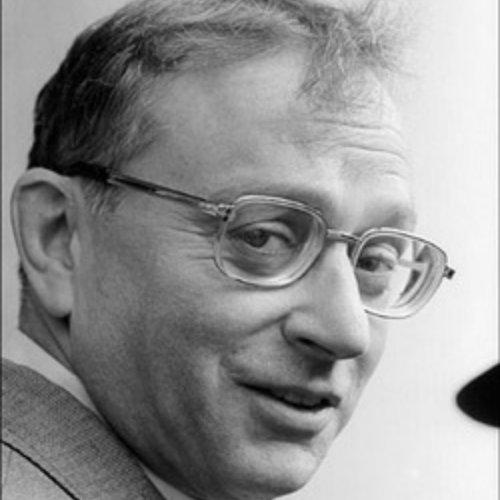
Sweeney was arrested the same day he committed the murder. In the following months, he was evaluated and diagnosed with paranoid schizophrenia. By February 1981, he was declared not guilty by reason of insanity. He was then committed to the Mid-Hudson Psychiatric Center, a maximum-security psychiatric hospital in New York.
During his time in the psychiatric hospital, Sweeney underwent treatment and his condition was monitored. After several years, he was moved to a lower-security facility. He began to receive furloughs, allowing him to spend time in the community. By 1992, Sweeney had established a routine that involved regular work in the community.
In June 2000, after extensive evaluation, Justice Brenda Soloff ruled that Sweeney no longer required hospitalization. His case drew attention due to concerns from Lowenstein's family and mental health professionals. The family expressed their disappointment regarding Sweeney's release, while Sweeney’s legal team prepared for the conditions of his discharge.
Sweeney left any level of custody in 2000. At that time, he had been off medication for several years and was engaging in regular therapy. He continued to live in the community, where he held various jobs. The decision to release him marked a significant moment in a lengthy case that had begun over two decades earlier.
