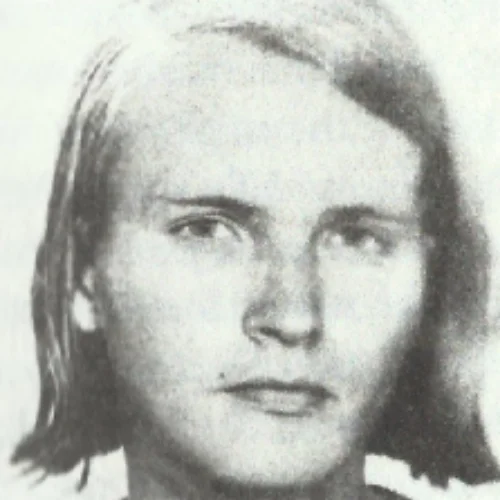
1955 - 2020
Summary
Name:
David Owen BrooksYears Active:
1970 - 1973Birth:
February 12, 1955Status:
DeceasedClass:
MurdererVictims:
1Method:
Shooting / StrangulationDeath:
May 28, 2020Nationality:
USA1955 - 2020
Summary: Murderer
Name:
David Owen BrooksStatus:
DeceasedVictims:
1Method:
Shooting / StrangulationNationality:
USABirth:
February 12, 1955Death:
May 28, 2020Years Active:
1970 - 1973Date Convicted:
March 4, 1975“Once they went on the board, they were as good as dead.”
— David Owen Brooks
David Owen Brooks was born in Houston, Texas, on February 12, 1955. He was the second of two sons of Henry Alton Brooks and Mary Hetherington Brooks.
His parents divorced when he was six years old. His mother, who worked as a nurse, kept custody of the children. She later moved to Beaumont, Texas, then remarried and moved to Tioga, Louisiana. His father stayed in Houston, worked as a paving contractor, and was a World War II veteran. His father remarried Jewel Aelene Dykes in September 1961. Both sons kept in touch with their father, stepmother, and a younger half-sister, and they visited them on holidays and in the summers.
By his early teens, Brooks had started to steal small items. After he was caught taking a potbelly stove in a rural Louisiana parish, a county sheriff advised that he return to Houston to live with his father. His mother agreed, and Brooks moved back to Houston in 1970 at age 15. After the move, he rarely saw his mother and often clashed with his father. His attorney later described the father as a redneck who did not really like his younger son and called Brooks a bespectacled, sickly kid.
As a preteen, Brooks had mostly A, B, and C grades. After moving back to Houston and starting at Hamilton Junior High School, he began cutting class and showed little interest in school. His grades fell to D’s and F’s. He enrolled at Waltrip High School in 1970 but dropped out after one year.
Brooks first met Dean Corll in 1967 when he was about 12 years old. Corll worked as vice-president at the family candy company near Helms Elementary School, and Brooks was a sixth grade student there. Corll gave children candy, sometimes gave rides on his motorcycle, and took some kids to the movies. Brooks often spent time with Corll and other local boys at the back of the candy factory, where they played penny ante or pool. He went on trips to South Texas beaches with Corll and other youths. Corll sometimes provided places for Brooks to stay, and Brooks later said he thought of Corll’s apartment as a second home. In February 1971, on his sixteenth birthday, Brooks received a green 1969 Chevrolet Corvette from Corll, which he later told others he had paid for by saving money.
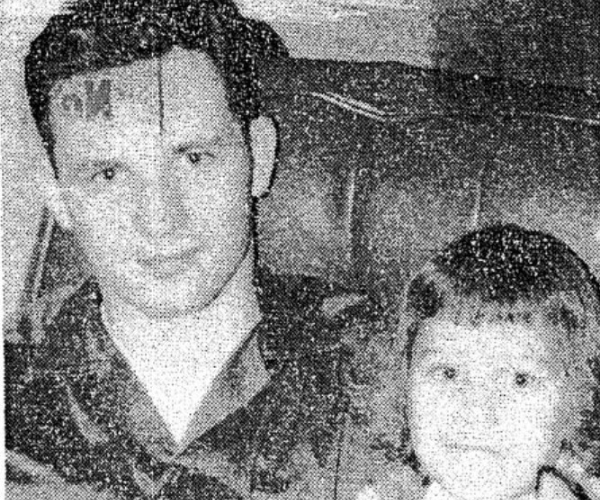
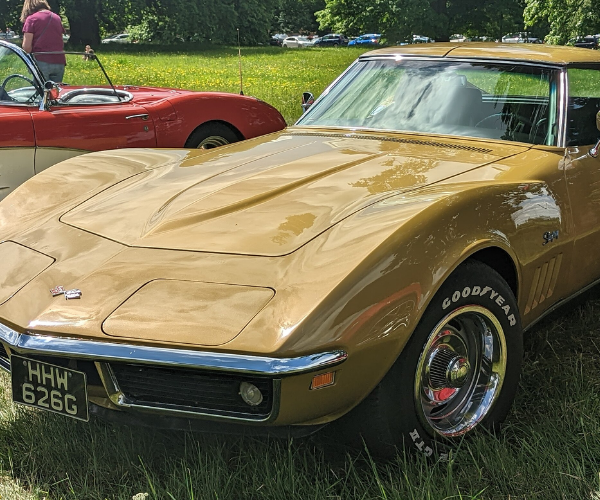
On August 8, 1973, news reached Houston that Dean Arnold Corll had been shot dead. Corll's other known accomplice, Elmer Wayne Henley Jr., had fatally shot him and then told police about missing boys. That same evening David Owen Brooks went to the Houston Police Department with his father.
Brooks gave a verbal statement and then written statements on August 9 and August 10, 1973. He admitted he had known Corll since the late 1960s. He also said he had allowed Corll to pay him for sexual acts and that he had introduced others to Corll.
Brooks confessed to assisting in some abductions and to helping bury victims. He consistently denied having taken part in the actual killings. In his statements he estimated the number of victims and described places where some bodies might be found.
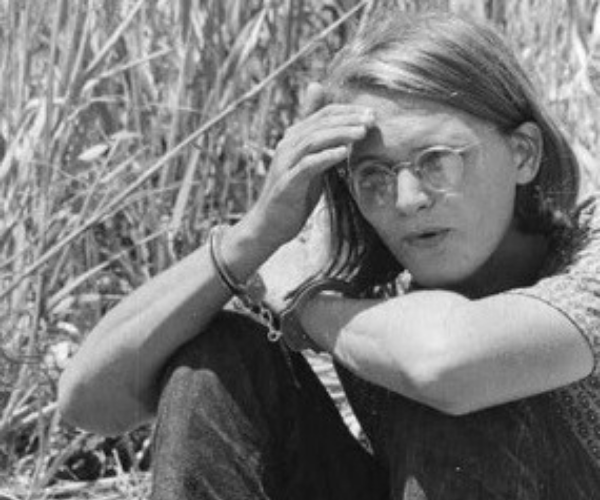
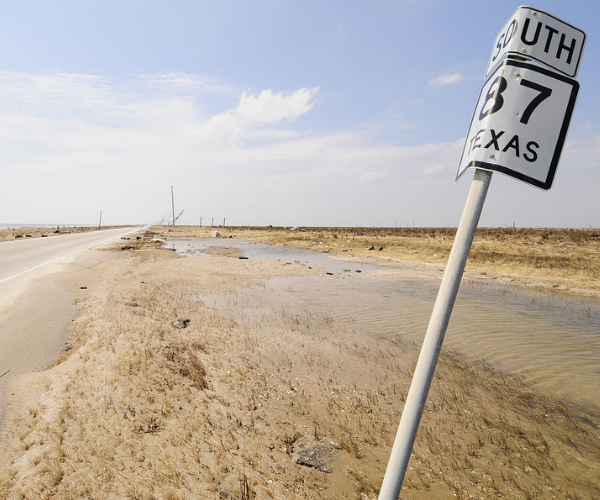
On August 10 and August 13, Brooks and Henley led police to graves at High Island Beach and other sites. Investigators recovered multiple bodies after following information the two men provided. Brooks assisted police in the searches and in identifying remains.
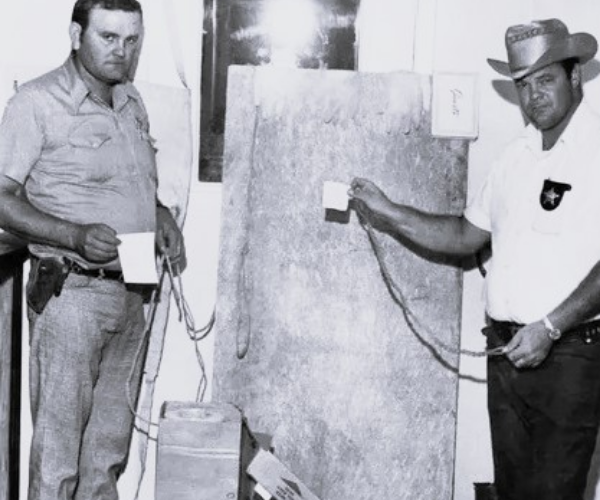
A grand jury in Harris County convened on August 13, 1973. Henley was later indicted for six murders and Brooks was indicted for four. Both men rejected offers of life sentences in exchange for guilty pleas.
Brooks was tried in Houston in February 1975 for the June 1973 murder of 15-year-old William Ray Lawrence. He pleaded not guilty. The prosecution introduced Brooks's statements as evidence during the trial.
On March 4, 1975, the jury convicted Brooks and sentenced him to life imprisonment. He appealed his conviction, but the appeal was denied in May 1979. Brooks served his sentence in Texas prisons, including the Polunsky Unit.
In later years, Brooks generally avoided media interviews. He did help forensic investigators, including work that aided the 2008 identification of one victim. He and Henley exchanged only one letter after their convictions.
David Owen Brooks died of complications related to COVID-19 on May 28, 2020, at a hospital in Galveston. He was 65 years old and had served forty-five years of a life sentence. He is buried at Captain Joe Byrd Cemetery.
