Summary
Name:
Daniel GreeneYears Active:
1991Status:
ImprisonedClass:
MurdererVictims:
1Method:
StabbingNationality:
USASummary: Murderer
Name:
Daniel GreeneStatus:
ImprisonedVictims:
1Method:
StabbingNationality:
USAYears Active:
1991Date Convicted:
December 7, 1992“I blame myself for everything.”
— Daniel Greene
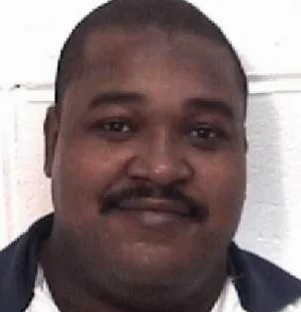
Daniel Greene was born in 1967. By September 1991, Greene was using crack cocaine. During a videotaped confession, he stated that he committed the robberies and attacks to obtain money to buy more cocaine. At trial, however, he claimed that he could not remember committing the crimes and suggested that a cigarette given to him earlier may have contained an unidentified drug that affected his behaviour. The jury rejected that defence and convicted him based on his confession, witness testimony and the evidence connecting the crimes as a single spree.
On the evening of September 27, 1991, Daniel Greene made several visits to the Suwanee Swifty convenience store in Reynolds, Georgia. During his final visit, he grabbed clerk Virginia Wise, placed a knife against her throat and demanded money from the cash register. Wise gave him approximately $142.55.
Greene forced Wise into a back room, cut three of her fingers and stabbed her through the lung and liver. When the store’s automatic door announced the arrival of a customer, Greene warned Wise that he would kill her if she left the room.
The customer was 20-year-old Bernard Walker. Walker entered the store and waited near the counter to make a purchase. Greene approached him and stabbed him in the heart. He dropped the knife, left the store and drove away. Walker died from the wound, while Wise survived her injuries.
Later that night, Greene went to the rural Macon County home of Willie and Donice Montgomery, an elderly couple for whom he had previously worked as a farm labourer. He forced his way through their kitchen door while carrying a knife and demanded their car keys. After Willie surrendered the keys, Greene stabbed both members of the couple several times in the head. They survived.
Greene took the Montgomerys’ vehicle and drove to another convenience store in Warner Robins. There, he held a butcher knife against cashier Bonnie Roberts and forced her to surrender the store’s money. He then attempted to stab her in the chest. Roberts moved, and the knife entered the back of her shoulder. She also survived.
After leaving the store, Greene drove to the home of an acquaintance in Warner Robins, where law-enforcement officers apprehended him. He later gave investigators a videotaped confession explaining that he had committed the robberies and attacks to obtain money for crack cocaine.
Greene was prosecuted separately for the crimes committed in Macon and Houston counties. His capital case concerned the Taylor County robbery, the attack on Wise and the murder of Walker.
Because of pretrial publicity, Greene’s trial was moved from Taylor County to Clayton County. On December 7, 1992, the jury found him guilty of murder, armed robbery and aggravated assault. The following day, the jury found that Walker’s murder had occurred during an armed robbery and returned a death sentence. On December 9, the judge formally sentenced Greene to death for murder, life imprisonment for armed robbery and 20 years for aggravated assault.
The Georgia Supreme Court initially affirmed the convictions and sentences on March 15, 1996. Greene challenged the removal of five prospective jurors who had expressed concerns about capital punishment. On December 16, 1996, the United States Supreme Court sent the case back to Georgia because the state court had applied the wrong standard when reviewing the trial judge’s jury-selection decisions. The ruling did not overturn Greene’s convictions or determine that the jurors had been improperly removed.
On May 5, 1997, the Georgia Supreme Court reconsidered the jury-selection issue and again affirmed the convictions and death sentence. Greene later pursued state and federal post-conviction relief, raising claims involving jury selection and his legal representation. The United States Court of Appeals for the Eleventh Circuit affirmed the denial of federal habeas relief in June 2011.
Georgia scheduled Greene’s execution for April 19, 2012. His clemency application included expressions of remorse and letters from corrections employees and members of the Taylor County community. Greene accepted responsibility for his actions and stated that although he had been using drugs, he did not blame the drugs for what he had done.
On April 17, the Georgia Board of Pardons and Paroles temporarily stayed the execution to continue reviewing the case. On April 20, 2012, the Board granted clemency and commuted Greene’s death sentence to life imprisonment without the possibility of parole. The murder conviction remained valid, but he was removed from death row and became permanently ineligible for release.
