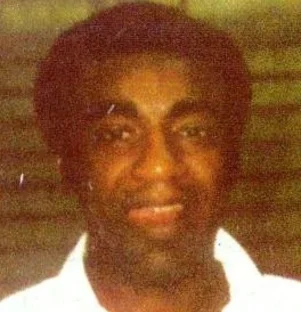
1956 - 1992
Summary
Name:
Cornelius SingletonYears Active:
1977Birth:
April 14, 1956Status:
ExecutedClass:
MurdererVictims:
1Method:
Strangulation / BeatingDeath:
November 20, 1992Nationality:
USA1956 - 1992
Summary: Murderer
Name:
Cornelius SingletonStatus:
ExecutedVictims:
1Method:
Strangulation / BeatingNationality:
USABirth:
April 14, 1956Death:
November 20, 1992Years Active:
1977“Let mama know I still love her. Keep that chin up.”
— Cornelius Singleton
Cornelius Singleton was born on April 14, 1956, in Mobile, Alabama. His early life was marked by challenges. He grew up in a neighborhood that faced many difficulties, including poverty. Singleton had a difficult family situation, which contributed to his issues during his youth.
From a young age, Singleton struggled in school. He found it hard to keep up with the lessons and did not receive the support he needed to succeed. His struggles with education led to serious learning difficulties. Reports later indicated that he had an IQ between 55 and 65, which placed him in the range of intellectual disability.
As he grew older, Singleton's life took some troubling turns. In 1972, when he was 16, he was sentenced to three years for arson and burglary. After serving his time, he was released in 1976. Despite his past, he continued to face challenges in finding stable employment and support in his community.
Singleton had difficulty reading and writing due to his illiteracy. This made it even harder for him to find support or gain skills that could help him improve his life. His interactions with law enforcement often showed that he did not fully understand his rights and the legal system.
On November 12, 1977, in Mobile County, Alabama, Sister Ann Hogan was murdered in a cemetery where she had gone to pray. Cornelius Singleton was arrested about a week later for her death. He was charged with capital murder and robbery. The state alleged that he had beaten and strangled Sister Hogan, taking her watch and other belongings.
Singleton was tried and convicted in 1981. During the trial, it was revealed that eyewitnesses had described a different suspect. They spoke of a white man with long blonde hair, while Singleton was an African American man. There was no physical evidence linking Singleton to the crime or the scene where the murder took place.
Singleton’s police interrogation resulted in a confession, but it was later argued that this confession was coerced. It was dictated by prosecutors while he was not fully aware of what he was admitting to, and he signed it under misleading circumstances. His mental capacity, with an IQ between 55 and 65, was also a significant factor in his defense.
Throughout the trial, several legal issues arose. Singleton had inadequate legal representation, and his attorneys failed to properly investigate the case or challenge the jury selection, which consisted entirely of white jurors. Despite these issues, Singleton was convicted again after a retrial and sentenced to death.
After years of appeals, which were mostly denied, Singleton was executed by electrocution on November 20, 1992. His execution raised concerns about racial discrimination and the fairness of his trial.
