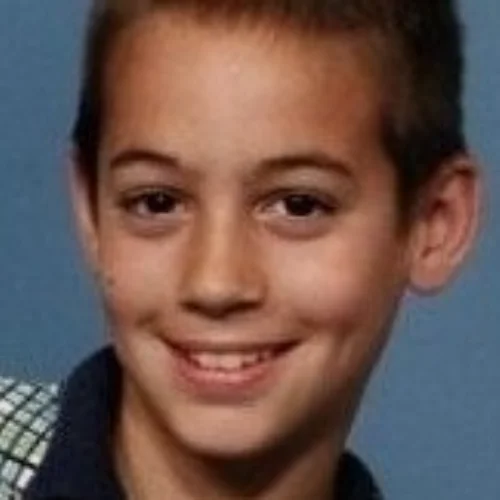
b: 1989
Summary
Name:
Christopher Frank PittmanYears Active:
2001Birth:
April 09, 1989Status:
ReleasedClass:
MurdererVictims:
2Method:
ShootingNationality:
USAb: 1989
Summary: Murderer
Name:
Christopher Frank PittmanStatus:
ReleasedVictims:
2Method:
ShootingNationality:
USABirth:
April 09, 1989Years Active:
2001Date Convicted:
February 15, 2005“I know it's in the hands of God.”
— Christopher Frank Pittman
Christopher Frank Pittman was born on April 9, 1989, in Huntsville, Alabama. His mother left when he was only two years old, and his father had a difficult and often abusive relationship with him. Pittman's childhood was filled with feelings of abandonment and confusion.
His father sent him to live with his paternal grandparents, Joe and Joy Pittman, in Chester, South Carolina. This move was intended to provide Christopher with a more stable home environment. He had frequently visited his grandparents before moving in full-time, and they had been a source of support for him during turbulent times.
When Christopher arrived in Chester in October 2001, he was dealing with issues related to depression. After threatening suicide, he was hospitalized and prescribed Paxil. However, after a short time, his father decided to bring him home, and soon after, sent him to live with his grandparents. Unfortunately, Paxil was not available in Chester, and a local doctor switched him to Zoloft, another antidepressant.
The change in medication brought immediate challenges. Christopher's sister later described him as "manic," and he experienced intense side effects from the new medication, including a burning sensation throughout his body. As his dosage was increased, his behavior became increasingly erratic, leading to incidents at school where he struggled to manage his anger.
Christopher's grandparents, concerned about his actions, disciplined him when he was disruptive. Reports indicate that there were tensions during that period, with Christopher fearing that he might be sent back to live with his father.
In the weeks leading up to a tragic event, Christopher was facing significant emotional turmoil. He felt a mix of anger, confusion, and despair, compounded by the effects of the medication he was taking.
On November 28, 2001, in Chester County, South Carolina, Christopher Frank Pittman, a 12-year-old boy, committed a serious crime by murdering his grandparents, Joe, 66, and Joy Pittman, 62. That night, after facing punishment from his grandfather, Christopher entered their bedroom and shot them while they slept.
After the killings, he set fire to their house using a candle and some papers. Once he started the fire, he took his grandparents' car, some guns, $33, and his dog, and then left the scene. He was on the run until he was apprehended the next day after getting stuck in mud two counties away.
Initially, Christopher lied to the police, claiming that a large black man had attacked him, killed his grandparents, and abducted him. As the investigation unfolded, he eventually confessed to the murders. Christopher reportedly said that his grandparents "deserved it." He later claimed that his actions were influenced by an overdose of Zoloft, a medication he was prescribed for depression. He asserted that the drug caused him to hear a voice urging him to kill his grandparents, describing the experience as similar to watching a movie he could not stop.
Christopher was arrested on November 29, 2001, and his case drew national attention. Due to his age, he was tried as an adult. After his trial, on February 15, 2005, he was found guilty of murder and sentenced to two consecutive 30-year prison terms.
The case raised many questions about the effects of antidepressants on young people, as well as the appropriateness of trying a juvenile as an adult. Christopher’s defense argued that he was not fully responsible due to his medication, but the jury ultimately did not accept this claim. The South Carolina Supreme Court upheld his conviction in 2007.
