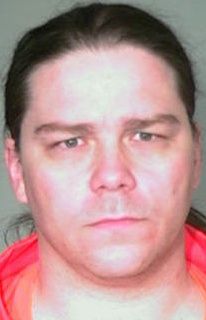
1947 - 2004
Summary
Name:
Charles Louman Meach IIIYears Active:
1973 - 1982Birth:
October 01, 1947Status:
DeceasedClass:
Serial KillerVictims:
5Method:
Beating / ShootingDeath:
December 09, 2004Nationality:
USA1947 - 2004
Summary: Serial Killer
Name:
Charles Louman Meach IIIStatus:
DeceasedVictims:
5Method:
Beating / ShootingNationality:
USABirth:
October 01, 1947Death:
December 09, 2004Years Active:
1973 - 1982Charles Louman Meach III was born on October 1, 1947, in Traverse City, Michigan. He was raised by a mother who suffered from schizophrenia. Meach left home at the age of sixteen and spent the following years drifting and accumulating a lengthy criminal record consisting of various minor offenses. His transient lifestyle eventually brought him to Anchorage, Alaska.
In 1973, Meach committed his first known murder when he beat 22-year-old grocery clerk Robert Johnson to death in Earthquake Park. He was charged with murder but found not guilty by reason of insanity and was subsequently committed to Atascadero State Hospital in California.
After seven years in psychiatric care, doctors at Atascadero declared his mental illness to be in remission. In 1980, Meach was released and returned to Alaska under the supervision of the Alaska Psychiatric Institute. He enrolled at the University of Alaska and held several jobs during this time.
On May 3, 1982, Charles Meach committed a mass murder at a campsite in Russian Jack Springs Park in Anchorage. He was armed with two revolvers—a .38-caliber and a .41-caliber—that he had purchased from a man on the street. That evening, he encountered a group of four teenagers at the site. The teens, who were preparing to go to the movies, were ambushed by Meach and fatally shot during a robbery.
The victims were two 19-year-old boys and two girls aged 16 and 17. Meach was quickly identified and confessed to the murders when confronted by authorities. He was arrested and charged.
Despite again entering a plea of not guilty by reason of insanity, Meach was convicted of the killings. He received a sentence of 396 years in prison without the possibility of parole—the longest sentence in Alaska’s history at the time.
The case had a significant legal impact in the state. In its aftermath, the Alaska Legislature amended its laws concerning the insanity defense. New provisions introduced a "guilty, but mentally ill" verdict and raised the burden of proof required to support a basic insanity defense. These changes, which did not apply retroactively to Meach’s case, made Alaska's standards among the strictest in the United States.
Charles Meach died of natural causes on December 9, 2004, while incarcerated at the Cook Inlet jail.
