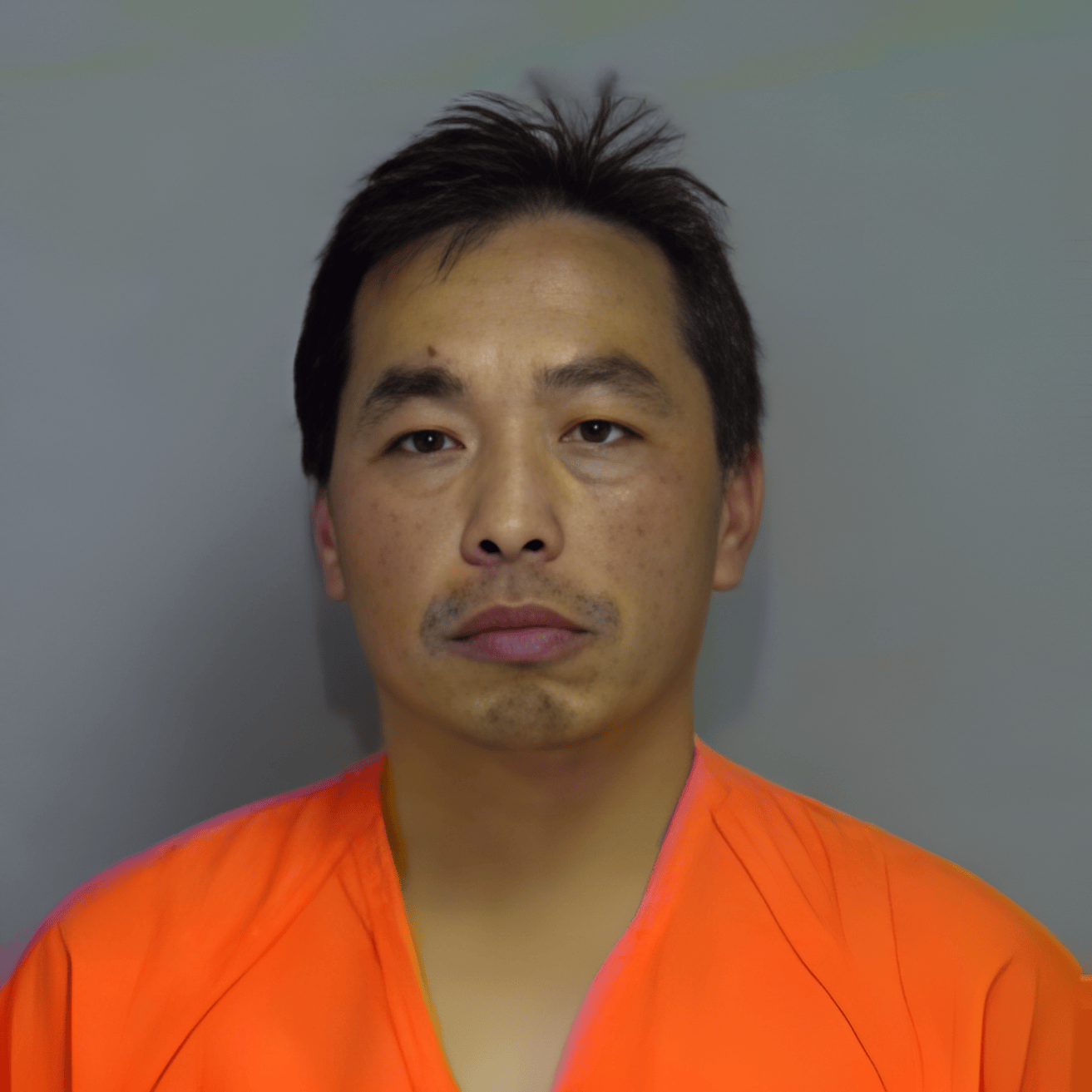
b: 1968
Summary
Name:
Chai Soua VangNickname:
Tree Stand KillerYears Active:
2004Birth:
September 24, 1968Status:
ImprisonedClass:
Mass MurdererVictims:
6Method:
ShootingNationality:
USAb: 1968
Summary: Mass Murderer
Name:
Chai Soua VangNickname:
Tree Stand KillerStatus:
ImprisonedVictims:
6Method:
ShootingNationality:
USABirth:
September 24, 1968Years Active:
2004Date Convicted:
September 16, 2005“If I don’t shoot him, he would shoot me.”
— Chai Soua Vang
Chai Soua Vang was born on September 24, 1968, in Sayaboury Province, Laos, to a family of Hmong descent. His father had served as a guerrilla fighter aligned with the CIA during the Vietnam War. After the communist victory in the Laotian Civil War in 1975, Vang spent much of his early childhood in a Thai refugee camp with his family before emigrating to the United States in 1980.
The Vang family settled in Saint Paul, Minnesota, where Chai grew up with five siblings. In his teens, he worked as a paperboy and later moved to Stockton, California in 1985. During his time in high school, Vang became a U.S. citizen and joined the California Cadet Corps. He also founded and led the Hmong Student Association. After graduating in 1987, he worked as a social service worker assisting Hmong refugees.
In 1989, at age 21, Vang enlisted in the California National Guard. He served until 1995 in the 236th Medical Brigade, earning a Good Conduct Medal and a sharpshooter qualification badge. After his military service, he worked as a truck driver and received an associate degree in business administration. He eventually ran his own long-haul trucking business.
By the early 2000s, Vang was a father of seven children and was recognized in his community as a practicing shaman (txiv neeb). He was also an avid hunter and often traveled to Wisconsin to hunt.
Despite his outward success, Vang's personal life was marred by domestic conflict. On December 24, 2001, police responded to a domestic disturbance at his home. Although no charges were filed, his wife later left with their children. In 2003, a second marriage reportedly ended after a violent altercation in which Vang allegedly nearly strangled his wife over a financial dispute. He married again in 2004, months before the shootings occurred.
On November 21, 2004, Chai Soua Vang was deer hunting in rural northwest Wisconsin with two friends and their sons. The group began the day hunting on public land, but Vang later trespassed onto a privately owned 400-acre property near the town of Meteor. While alone, Vang climbed into an empty tree stand used by local hunters.
Terry Willers, one of the landowners, noticed Vang in the stand and radioed back to a cabin where other members of a hunting party—about 15 people in total—were gathered. After confirming no one had permission to use the stand, Willers approached Vang and told him to leave. According to Vang and trial testimony, Willers and others allegedly used racial slurs during this interaction. Vang apologized and began walking away.
Soon after, several members of the hunting party, including Robert Crotteau and his son Joey, arrived on ATVs to confront Vang. The group discussed reporting him to the DNR and began noting his hunting license number. According to Vang, one of the hunters flipped over his license tag, while others allegedly surrounded and provoked him.
Vang later claimed that Willers fired the first shot, nearly hitting him, which prompted him to return fire in self-defense. However, no conclusive forensic evidence supported this claim. What followed was a deadly and chaotic sequence.
Using a Saiga semi-automatic rifle chambered in 7.62×39mm, Vang fired approximately 20 rounds. Multiple victims were shot in the back, and several were hit multiple times. Vang pursued fleeing victims, reloaded his rifle, and shot some at close range, including headshots. Among the dead were Robert Crotteau and his 20-year-old son Joey, Alan Laski, Mark Roidt, Jessica Willers, and Denny Drew.
Two men survived: Terry Willers and Lauren Hesebeck, both of whom sustained gunshot wounds. Hesebeck later testified that Vang returned to the scene and attempted to shoot him again.
After the shootings, Vang fled on foot, reversed his blaze-orange jacket to camouflage, and discarded unused ammunition. He eventually encountered another unrelated hunter who gave him a ride back to his cabin. Vang was arrested peacefully later that day, about five hours after the incident.
During police interrogation and later trial testimony, Vang claimed self-defense and alleged that racial hostility provoked the confrontation. However, prosecution witnesses testified that Vang escalated the situation and shot several people in the back after they posed no immediate threat.
Chai Vang’s trial began on September 10, 2005, in Sawyer County, Wisconsin. Due to widespread publicity, jurors were selected from Dane County and transported to the northern part of the state. Vang took the stand in his own defense, testifying that he feared for his life and acted in self-defense after being verbally assaulted and allegedly shot at.
However, Vang also testified that some of the victims “deserved to die,” statements which severely damaged his defense. He reenacted the shootings during testimony and provided detailed accounts of how he killed each person. His defense attorneys later claimed that language barriers contributed to some of the misinterpretations in his testimony.
On September 16, 2005, Vang was convicted of six counts of first-degree intentional homicide and three counts of attempted homicide. On November 8, 2005, he was sentenced to six consecutive life terms plus 70 years, without the possibility of parole. At the time, Wisconsin did not have the death penalty.
Following his conviction, Vang was initially held at Dodge Correctional Institution but was later moved to Anamosa State Penitentiary in Iowa for safety reasons due to racial tensions. As of 2025, he is incarcerated at Oshkosh Correctional Institution in Wisconsin.
