b: 1972
Summary
Name:
Chad Alan LeeYears Active:
1992Birth:
September 26, 1972Status:
Awaiting ExecutionClass:
MurdererVictims:
3Method:
Shooting / StabbingNationality:
USAb: 1972
Summary: Murderer
Name:
Chad Alan LeeStatus:
Awaiting ExecutionVictims:
3Method:
Shooting / StabbingNationality:
USABirth:
September 26, 1972Years Active:
1992Date Convicted:
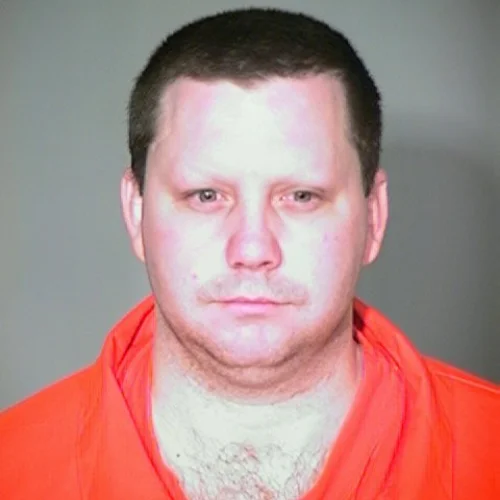
March 24, 1994Chad Alan Lee was born on September 26, 1972. He lived in Arizona and was 19 years old when the murders happened in April 1992. In April 1992, Lee was working with 14-year-old David Hunt. Hunt helped him in the crimes against Linda Reynolds and David Lacey. Their robberies turned into kidnapping, sexual assault, and murder.
Lee was treated as the main offender because he personally carried out the fatal violence. He killed Linda Reynolds on April 6, 1992. He killed taxi driver David Lacey on April 15, 1992. He then killed store clerk Harold Drury on April 27, 1992.
All three murders happened in Maricopa County, Arizona, within three weeks. Lee’s case later became a long-running death penalty case. His appeals continued for many years, but the courts rejected his main claims and upheld his death sentences.
On April 6, 1992, Chad Alan Lee and 14-year-old David Hunt called Pizza Hut from a pay phone and ordered a delivery to a vacant house. Linda Reynolds, a Pizza Hut delivery worker, arrived with the order. Lee and Hunt then pointed a rifle at her and forced her to remove clothing. They placed Reynolds in Lee’s car and drove her to a desert area. Hunt followed in Reynolds’s car.
At the desert location, Reynolds was robbed and sexually assaulted. Lee and Hunt damaged her car and later forced her to go to an ATM at First Interstate Bank near 83rd Avenue and Indian School Road, where she withdrew $20. They then took her back to the desert. Lee shot Reynolds in the head. When she was still alive, he stabbed her twice in the chest, causing fatal injuries to her heart and lung.
On April 15, 1992, Lee and Hunt robbed and murdered David Lacey, a Metro Taxi cab driver. Lee shot Lacey four times and left his body in one location while abandoning the taxi in another. The Reynolds and Lacey murders were tried together. On March 24, 1994, Lee was convicted in connection with both killings. He was sentenced to death for both murders on June 23, 1994.
On April 27, 1992, Lee entered an AM-PM Mini Market on 19th Avenue in Phoenix. He intended to rob the store and leave no witnesses. Harold Drury was working as the clerk. Lee pulled a gun on Drury and demanded money. Instead of only taking cash, Lee removed the entire cash drawer, reportedly to prevent the surveillance camera from activating.
Lee then shot Harold Drury multiple times. After leaving the store, he dismantled the revolver and threw it into a dumpster across the street. This murder was tried separately from the Reynolds and Lacey case. On August 29, 1994, Lee was convicted of first-degree murder and armed robbery for Drury’s death. He was sentenced to death for Drury’s murder on October 5, 1994.
The Arizona Supreme Court reviewed both cases in 1997. In the Reynolds and Lacey case, the court affirmed Lee’s convictions for kidnapping, sexual assault, armed robbery, theft, and two counts of first-degree murder. It also upheld the death sentences. In the Drury case, the court affirmed his conviction for first-degree murder and armed robbery, as well as the death sentence.
During sentencing, prosecutors relied on several aggravating factors. These included prior conviction for another capital crime, prior violent felony conviction, pecuniary gain, and findings that the killings were especially cruel, heinous, or depraved. The defense presented mitigating factors, including Lee’s young age, lack of significant criminal history, deprived childhood, cooperation with police, and remorse. The courts ruled that the aggravating factors supported the death sentences.
Lee continued to challenge his convictions and death sentences for many years. In federal habeas proceedings, he argued that his trial counsel should have investigated and presented more evidence related to fetal alcohol exposure and possible brain damage. The Ninth Circuit rejected those arguments in 2024 and affirmed the denial of habeas relief.
In 2025, Lee asked the United States Supreme Court to review the Ninth Circuit’s ruling. The Supreme Court docket shows that his petition for certiorari was denied on June 2, 2025.
