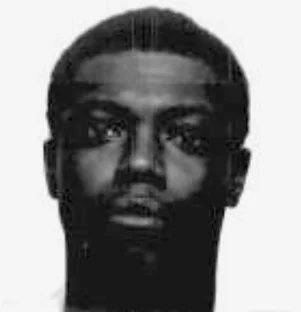
1955 - 1995
Summary
Name:
Carl Johnson Jr.Years Active:
1978Birth:
March 05, 1955Status:
ExecutedClass:
MurdererVictims:
1Method:
ShootingDeath:
September 19, 1995Nationality:
USA1955 - 1995
Summary: Murderer
Name:
Carl Johnson Jr.Status:
ExecutedVictims:
1Method:
ShootingNationality:
USABirth:
March 05, 1955Death:
September 19, 1995Years Active:
1978"I want the world to know that I'm innocent and that I've found peace. Let's ride."
— Carl Johnson Jr.
Carl Johnson Jr. was born on March 5, 1955, in the United States. According to later court filings and reports, his childhood was marked by instability, neglect, and abuse. Johnson was abandoned by his parents at a young age and experienced both physical and emotional mistreatment while growing up. His formal education was limited, and he left school after completing the eighth grade.
As a young man, Johnson was drafted into military service during the Vietnam War era. According to statements made during later appeals, he developed a heroin addiction after his military experience. Following his return to civilian life, he struggled with substance abuse and became involved in criminal activity.
Despite his later criminal conduct, Johnson reportedly had no prior criminal convictions before the robbery that led to the death of security guard Ed Thompson. His addiction to drugs and alcohol became a significant factor in his life during the late 1970s. By 1978, Johnson was associating with individuals involved in robberies and other criminal activity in the Houston area.
After his arrest and conviction, Johnson spent more than sixteen years on Texas death row. During his imprisonment, he earned a high school equivalency diploma, became involved in religious activities, and created religious-themed artwork. Reports from attorneys and prison records described him as a generally compliant inmate who accumulated few disciplinary violations during his years in custody.
In the years before his execution, Johnson converted to Islam and devoted much of his time to religion. Supporters argued that he had undergone significant personal change while incarcerated, though his conviction and death sentence remained in place.
On October 6, 1978, Carl Johnson Jr. and an accomplice, Carl Baltimore, entered Wayne's Food Mart in northwest Houston, Texas, intending to commit a robbery. The store was protected by 75-year-old security guard Ed Thompson, who was on duty at the time. According to trial testimony, Johnson and Baltimore entered the store armed and demanded money. Thompson immediately recognized the danger and drew his weapon. A gunfight erupted inside the business when Thompson fired at the robbers.
Johnson later claimed that he fired in self-defense after Thompson shot first. Armed with a .38-caliber revolver, Johnson fired multiple shots toward the security guard. Thompson was struck by gunfire and suffered fatal wounds. He died as a result of injuries sustained during the exchange.
The robbery itself was largely unsuccessful. The offenders fled with only a small amount of money and loose change. However, the shooting death of Thompson transformed the failed robbery into a capital murder case.
Authorities eventually identified Johnson after he was arrested in connection with another robbery. During questioning, he confessed to involvement in the shooting. His accomplice, Carl Baltimore, also cooperated with prosecutors and testified against Johnson. In exchange for his testimony, Baltimore received a reduced charge and was later sentenced to 40 years in prison.
Johnson was brought to trial in 1979. His case later became controversial because of concerns about the quality of his legal representation. Court records and later appeals noted that one of his attorneys, Joe Cannon, had a reputation for poor performance in capital cases and was accused of sleeping during portions of trial proceedings in multiple cases. Another attorney assigned to Johnson had only recently graduated from law school and had little experience handling death penalty litigation.
During the trial, prosecutors argued that Johnson intentionally killed Thompson during the course of a robbery. The jury found him guilty of capital murder and sentenced him to death.
Following the conviction, Johnson pursued a lengthy series of appeals that lasted more than sixteen years. His attorneys raised issues concerning ineffective assistance of counsel, jury instructions, and sentencing procedures. Despite these efforts, state and federal courts repeatedly upheld the conviction and death sentence.
As his execution date approached, supporters pointed to his rehabilitation while incarcerated and argued that his sentence should be commuted. Those efforts were unsuccessful. On September 19, 1995, Carl Johnson Jr. was executed by lethal injection in Huntsville, Texas.
