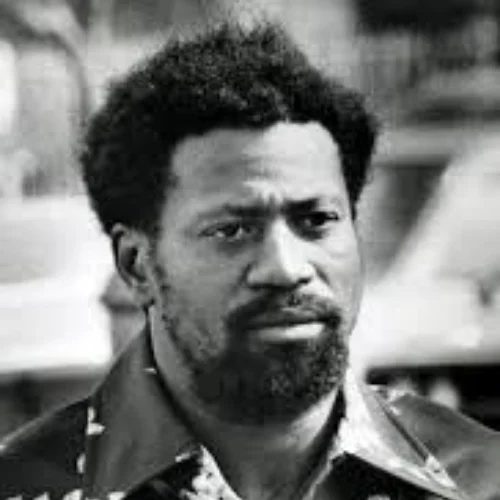
Bobby Joe Maxwell was born in 1945 in Tennessee. He spent time in prison for robbery before eventually leaving for California. Like many men who drifted west in search of a new start, he arrived in Los Angeles carrying more trouble than opportunity.
By the late 1970s, Maxwell was living around downtown Los Angeles, spending time in the neglected streets of Skid Row. The district was filled with shelters, cheap hotels, and people trying to survive day by day. Maxwell blended into that world, another restless figure among thousands.
Later testimony claimed he often spoke about Satan and used the name “Luther,” which prosecutors said was his version of Lucifer. Whether it was delusion, performance, or something darker, those stories would later shape the case against him. Then, in the fall of 1978, fear spread through Skid Row. Homeless men were being stabbed to death as they slept. As bodies began to appear in alleys, parking lots, and sidewalks, newspapers gave the unknown killer a name that would echo across Los Angeles, the Skid Row Stabber.
Murder Story
The attacks began on October 23, 1978, when 50-year-old Jessie Martinez was found stabbed to death in a parking lot. Within days, Jose Cortez and Bruce Emmett Drake were also murdered. Then came J.P. Henderson, found sprawled on a sidewalk before dawn. The pattern was terrifyingly clear: the victims were poor, homeless, and attacked without warning.
As November progressed, the killings accelerated. David Martin Jones was murdered on the walkway of Los Angeles Central Library. Francisco Perez Rodriguez and Frank Floyd Reed were found dead in parking lots. On the same day Reed was discovered, Augustine Luna was stabbed behind a downtown building. Five days later, Jimmy White Buffalo became another victim after a savage knife attack.
The murderer struck almost entirely within a small section of downtown Los Angeles. Fear spread quickly through Skid Row, where many residents already lived in constant danger. Then, for the first time, two men survived separate stabbings on November 19, giving detectives hope that the killer might finally be identified.
On Thanksgiving Day 1978, Frank Garcia was found murdered on a bench in City Hall Plaza, only steps from police headquarters. Investigators recovered a palm print from the bench—an important clue, though useless without a suspect.
Police attention eventually focused on Bobby Joe Maxwell. He had been detained earlier carrying a large knife, and detectives noted that pauses in the murders appeared to coincide with his time in jail. After surveillance, he was arrested on April 4, 1979.
A search of his apartment reportedly uncovered knives and writings tied by prosecutors to the crimes. The case also relied heavily on testimony from jailhouse informant Sidney Storch, who claimed Maxwell confessed that he killed to gather souls for Satan.
After years of delay, Maxwell went to trial in 1984. Jurors convicted him of the murders of Frank Garcia and David Martin Jones, acquitted him in three other killings, and could not reach verdicts on five more. He was sentenced to life imprisonment without parole instead of death.
For decades, Maxwell remained linked in public memory to the Skid Row murders. But in November 2010, the Ninth U.S. Circuit Court of Appeals overturned his convictions, ruling that the prosecution had relied on false and undisclosed testimony from informant Sidney Storch, described by judges as a habitual liar. The court ordered a new trial or release, casting lasting doubt over one of Los Angeles’ most notorious serial murder prosecutions.
Like what you're reading?
Join our mailing list for exclusive content you won't find anywhere else. You'll receive a free chapter from our e-book, increased chances to win our t-shirt giveaways, and special discounts on merch.