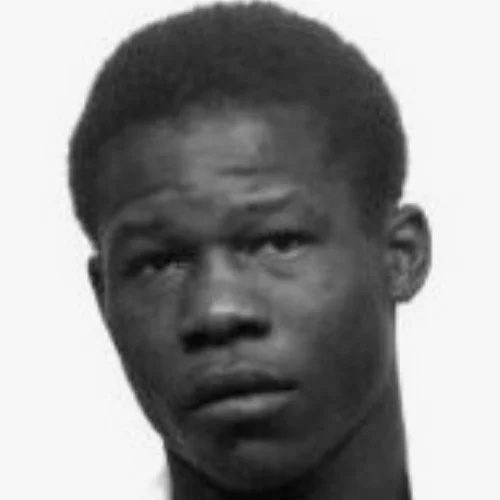
b: 1959
Summary
Name:
Anthony Leroy PierceNickname:
Yatombi IkeiYears Active:
1977 - 1979Birth:
July 20, 1959Status:
ImprisonedClass:
MurdererVictims:
2Method:
Shooting / StabbingNationality:
USAb: 1959
Summary: Murderer
Name:
Anthony Leroy PierceNickname:
Yatombi IkeiStatus:
ImprisonedVictims:
2Method:
Shooting / StabbingNationality:
USABirth:
July 20, 1959Years Active:
1977 - 1979Date Convicted:
March 20, 1978“I am an innocent man sitting here on death row, wrongfully sentenced to die.”
— Anthony Leroy Pierce
Anthony Leroy Pierce, also known as Yatombi Ikei, was born on July 20, 1959, in Harris County, Texas. He spent his early years in Houston, Texas, an area characterized by its diverse community.
Anthony had encounters with the law. He was placed in a youth facility before turning eighteen, which suggests that he may have faced challenges during his youth. After reaching adulthood, a sealed order placed by a juvenile court judge was in effect concerning his past.
When he turned eighteen, Anthony was arrested in connection with a crime that would forever alter his life. On August 4, 1977, he was taken into custody. Despite having no prior prison experience, this arrest made him the youngest person at that time to receive the death penalty by an all-white jury.
On August 4, 1977, in Harris County, Texas, Anthony Leroy Pierce (also known as Yatombi Ikei) was involved in a robbery that resulted in the murder of Fred Johnson, a 40-year-old fast food restaurant manager. He was arrested the same day and charged with capital murder. His first trial began soon after, and on March 20, 1978, he was sentenced to death.
During the investigation, it was revealed that Pierce was reportedly at a bar three miles away from the crime scene during the time of the murder. Eyewitness accounts were inconsistent and some witnesses did not identify him as the shooter. Despite this, he was convicted based on questionable testimonies and circumstantial evidence.
In 1979, he was also connected to the murder of Edward King, a death row inmate. This added to the charges against him, linking him to more violent acts during his time in custody. In both cases, the methods of murder involved gunfire and stabbing with a homemade knife.
Pierce's case went through multiple trials and appeals. His defense argued that he had been wrongfully convicted due to misidentification and lack of solid evidence. They pointed out that ballistic tests failed to show gun powder residue on his hands, and his fingerprints did not match those found at the crime scene.
Throughout the years, Pierce maintained his innocence and claimed that his wrongful conviction was due to a flawed legal system that did not provide him with fair representation. He was sentenced to death again in 1987 after additional legal battles, yet he has continued to seek justice to overturn his conviction.
