Summary
Name:
Angela CamachoYears Active:
2003Status:
ImprisonedClass:
MurdererVictims:
3Method:
Stabbing / Smothering / DecapitationNationality:
MexicoSummary: Murderer
Name:
Angela CamachoStatus:
ImprisonedVictims:
3Method:
Stabbing / Smothering / DecapitationNationality:
MexicoYears Active:
2003Date Convicted:
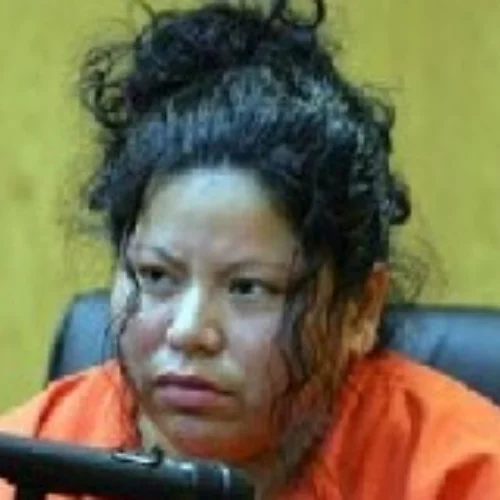
June 30, 2005Angela Camacho was born in 1979 in Mexico. She was from Matamoros and later came to the United States. She lived in Brownsville, Texas.
She had a child from an earlier relationship. She became pregnant again and met John Allen Rubio in 2001 when she was about one month along in that pregnancy. The couple formed a blended family and lived together in Brownsville.
Camacho was described as a slow learner in school. She had been in special education and did not finish high school. Her defense later said she had low scores on several IQ tests.
The family lived in poverty. They moved into a small, run-down apartment in downtown Brownsville. Social services had at times been involved with the family to check on the children.
After she entered the U.S., Mexican consular officials tried to contact her. Reports say she refused to speak with them. Later, medical professionals evaluated her mental health and she was treated with medication that her attorneys said helped her condition.
On March 11, 2003, police in Brownsville, Texas, arrested Angela Camacho and her common-law husband, John Allen Rubio. The three children who died were Julissa Quezada, age 3; John Esthefan Rubio, age 1; and Mary Jane Rubio, age 2 months.
Officers found the two girls bundled inside a trash bag and the boy alone on a bed. Relatives summoned police to the apartment. The children's bodies were taken for autopsy.
Autopsy reports showed the children had died of asphyxiation. The reports also showed multiple stab wounds and that the children had been decapitated. Police identified knives that might have been used and collected other evidence from the apartment.
Camacho and Rubio gave statements to police. In an initial statement, both said they believed the children were possessed and described tests and rituals they had used. Camacho later gave a second statement saying the killings were done because of financial problems. She gave a videotaped and written statement that included both accounts.
Camacho's mental health was examined in court. A psychiatrist first diagnosed her as experiencing severe depression with psychotic features. After medication, her lawyers said she became competent to stand trial. Defense lawyers also raised an Atkins motion, arguing she had low IQ scores and might be ineligible for the death penalty. That motion did not prevent her later plea.
Camacho pleaded guilty to three counts of capital murder on June 30, 2005. She was sentenced to three concurrent life terms and will be eligible for parole in 40 years. Her attorneys said she would face deportation if released.
Rubio was tried separately, convicted, and sentenced to death in 2003. His case proceeded through appeals and competency hearings. Court records and news reports about both cases, along with original police reports and autopsy findings, are part of the public record.
