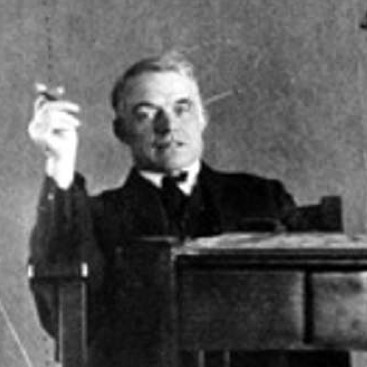
1872 - 1927
Summary
Name:
Andrew Philip KehoeYears Active:
1927Birth:
February 01, 1872Status:
DeceasedClass:
Mass MurdererVictims:
44Method:
BombingDeath:
May 18, 1927Nationality:
USA1872 - 1927
Summary: Mass Murderer
Name:
Andrew Philip KehoeStatus:
DeceasedVictims:
44Method:
BombingNationality:
USABirth:
February 01, 1872Death:
May 18, 1927Years Active:
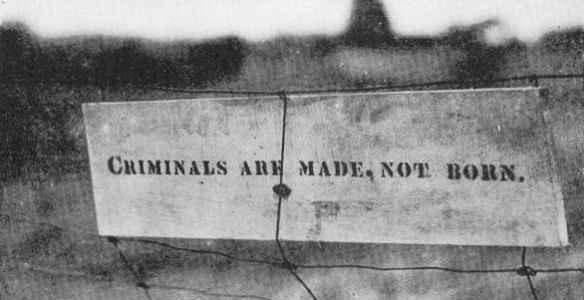
1927“Criminals are made, not born.”
— Andrew Philip Kehoe
Andrew Philip Kehoe was born on February 1, 1872, in Tecumseh, Michigan, one of thirteen children in a large Irish Catholic family. His father, Philip Kehoe, worked as a farmer, while his mother, Mary McGovern Kehoe, died when Andrew was still young. Kehoe grew up in a rigid household that valued discipline, thrift, and self‑sufficiency. From an early age, he demonstrated strong mechanical aptitude and an interest in electricity and machinery.
Kehoe attended Tecumseh High School and later enrolled at Michigan State College (now Michigan State University), where he studied electrical engineering. Although he did not complete a widely documented long-term academic career, his education gave him advanced technical knowledge unusual for a rural farmer of his era. During his college years, he met Ellen “Nellie” Price, a well‑educated woman from a comparatively wealthy Lansing family.
After leaving Michigan, Kehoe traveled to the southwestern United States and worked intermittently as an electrician, including time spent in St. Louis, Missouri. In 1911, he suffered a severe head injury after a fall, resulting in a coma that reportedly lasted nearly two weeks.
Kehoe returned to Michigan after the injury and moved back to his family home. During his absence, his father had remarried Frances Wilder. Kehoe strongly disliked his stepmother, and tensions within the household were evident. On September 17, 1911, Frances Kehoe suffered fatal burns when the family stove exploded while she attempted to light it. Although officially ruled an accident, later suspicions emerged that the stove may have been deliberately tampered with. No charges were ever filed, but the incident would later be viewed as a disturbing precursor to Kehoe’s final acts.
In 1912, Kehoe married Nellie Price. The couple settled into rural life and, in 1919, purchased a 185‑acre farm outside the village of Bath, Michigan. Despite his intelligence, Kehoe proved to be an unsuccessful farmer. Neighbors described him as meticulous, controlling, and easily angered. He was known for wearing clean clothes at all times, changing shirts whenever they became soiled, and showing little tolerance for disagreement.
Kehoe preferred mechanical tinkering to agricultural labor and spent excessive time modifying machinery rather than tending crops. Financially, the farm struggled. By the mid‑1920s, the Kehoes were deeply in debt, and Andrew became increasingly resentful toward local authorities, taxes, and community leadership.
In 1924, he was elected treasurer of the Bath Consolidated School Board, a position that gave him access to school facilities and allowed him to closely monitor public expenditures. He quickly gained a reputation for hostility toward fellow board members, repeatedly accusing school superintendent Emory Huyck of financial mismanagement and voting against budget proposals.
Kehoe’s resentment deepened after his defeat in the 1926 election for Bath Township Clerk, a loss he viewed as a public humiliation. Neighbors later recalled that he appeared to withdraw from daily life afterward, abandoning farm work and focusing his energy elsewhere. At the same time, his wife Nellie was suffering from advanced tuberculosis, requiring repeated hospital stays. Medical care placed additional strain on their already failing finances, and foreclosure proceedings on the farm were initiated due to unpaid mortgage and insurance premiums.
Sometime between May 16 and the morning of May 18, 1927, Kehoe murdered his wife, Nellie Kehoe. Her body was later found concealed in a farm outbuilding. After killing her, Kehoe set incendiary devices throughout the farmhouse and surrounding structures, destroying all buildings on the property.
Kehoe had spent months secretly purchasing dynamite and pyrotol and smuggling the explosives into the Bath Consolidated School. Using his access as a school board member, he planted hundreds of pounds of explosives beneath both wings of the school building, rigging them to alarm clocks set to detonate on the morning of May 18, 1927.
At approximately 9:45 a.m., the explosives beneath the north wing detonated, collapsing classrooms filled with children. The blast killed dozens instantly. Thirty‑eight of the dead were schoolchildren between the ages of 7 and 14. Teachers, parents, and neighbors rushed to the scene to assist in rescue efforts.
As emergency responders gathered, Kehoe arrived in his truck, which was packed with dynamite and shrapnel. During a brief confrontation with Superintendent Emory Huyck, Kehoe detonated the explosives inside the vehicle. The blast killed Kehoe, Huyck, and several others, while injuring many more. In total, 45 people died, including Kehoe himself, and at least 58 were injured.
Investigators later discovered an additional 500 pounds of unexploded dynamite and pyrotol beneath the school’s south wing. Had those explosives detonated as planned, the death toll would have been even higher. A sign wired to Kehoe’s farm fence bore his final message: “Criminals are made, not born.”
Kehoe was buried in an unmarked grave in St. Johns, Michigan, without ceremony. Nellie Kehoe was buried separately under her maiden name.
