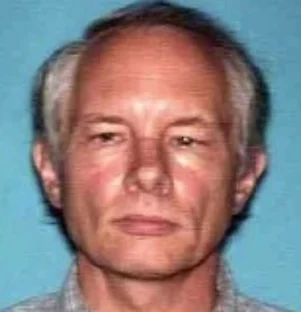
d: 2010
Summary
Name:
Andrew Joseph Stack IIINickname:
Joe StackYears Active:
2010Status:
DeceasedClass:
MurdererVictims:
1Method:
Aircraft rammingDeath:
February 18, 2010Nationality:
USAd: 2010
Summary: Murderer
Name:
Andrew Joseph Stack IIINickname:
Joe StackStatus:
DeceasedVictims:
1Method:
Aircraft rammingNationality:
USADeath:
February 18, 2010Years Active:
2010“I have had all I can stand… I choose to not keep looking over my shoulder at ‘big brother’…”
— Andrew Joseph Stack III
Andrew Joseph Stack III was born in 1956. He grew up in Pennsylvania and had two brothers and two sisters. His father passed away from a heart attack when Andrew was just four years old. After the death of their father, Andrew's mother moved the family to Johnstown, Pennsylvania. Unfortunately, when Andrew was seven, his mother committed suicide. Following that tragedy, Andrew and one of his brothers were placed in the Milton Hershey School, a boarding school for orphaned boys.
Andrew was often described as a dedicated student. He participated in extracurricular activities like the glee club and played the clarinet. Despite his achievements, he did not feel attached to the school environment. After graduating from Milton Hershey School in 1974, he attended Harrisburg Area Community College from 1975 to 1977, but he did not complete his studies.
In the late 1970s, Stack earned a degree in electronic engineering technology from Southern Colorado University. He then moved to California, where he began his career as a software engineer. Stack faced various legal and financial difficulties throughout his life, particularly concerning tax issues.
He was married to his first wife, Ginger, and they had a daughter named Samantha Bell. The couple divorced in 1998. In 2007, Andrew remarried Sheryl Housh, who had a daughter from a previous marriage. His professional life included starting several engineering companies, but many faced problems, such as tax suspensions. He obtained a pilot's license in 1994 and owned several aircraft.
Stack's later years were marked by frustration with governmental systems, particularly the IRS. This frustration eventually contributed to his actions in 2010, which gained national attention.
On February 18, 2010, Andrew Joseph Stack III carried out a tragic and violent act by crashing his plane into the Echelon office building in Austin, Texas. Earlier that day, he reportedly set fire to his home in North Austin, which was mostly destroyed. Stack then drove to Georgetown Municipal Airport, where he boarded his Piper Dakota aircraft. He took off around 9:45 a.m. and informed the control tower that he would be flying southbound. His final words to the tower were, "Thanks for your help, have a great day."
Approximately ten minutes later, Stack's plane descended rapidly and struck the Echelon building, which housed an Internal Revenue Service (IRS) office, among others. The crash created a massive fireball and explosion. The incident killed Vernon Hunter, a 68-year-old manager at the IRS, and injured thirteen others, with two of them reported as critically injured. The crash generated a significant emergency response, leading to swift evacuation and rescue efforts.
Following the crash, investigations revealed that Stack had been facing financial troubles and an ongoing conflict with the IRS. His suicide note, posted earlier that day on his website, expressed anger toward the government and the IRS, detailing grievances about taxes and other issues. The aftermath of the attack resulted in extensive economic costs to the IRS for recovery and security enhancements.
The crash caused severe damage to the second and third floors of the building, leading to structural assessments and repairs that took years to complete. The financial impact on the IRS amounted to over $38.6 million due to the attack, which included expenses for document recovery and increased security measures at IRS facilities nationwide.
Stack did not survive the crash, and his actions sparked significant debate regarding the motivations behind the act and the broader implications for domestic terrorism and anti-government sentiments in the United States.
