b: 1969
Summary
Name:
Andre Lamont MinnittYears Active:
1992Birth:
November 12, 1969Status:
ImprisonedClass:
MurdererVictims:
3Method:
ShootingNationality:
USAb: 1969
Summary: Murderer
Name:
Andre Lamont MinnittStatus:
ImprisonedVictims:
3Method:
ShootingNationality:
USABirth:
November 12, 1969Years Active:
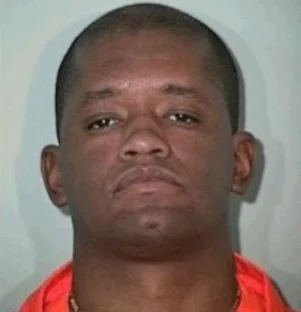
1992Andre Lamont Minnitt was born on November 12, 1969. Minnitt became publicly known after he was charged in connection with the June 24, 1992 triple killing at the El Grande Market in Tucson, Arizona. He was charged along with Christopher McCrimmon and Martin Soto-Fong. Before the murder trial, Minnitt was also connected to an unrelated robbery case involving Mariano’s Pizza in Tucson. The Arizona Supreme Court later noted that in that separate case, Minnitt was convicted of attempted second-degree murder, attempted armed robbery, aggravated assault, and burglary, receiving a total sentence connected to those non-murder convictions.
Minnitt’s murder case later became known not only because it involved a triple homicide, but because his convictions were overturned due to serious prosecutorial misconduct. The Arizona Supreme Court ruled that the state’s use of false testimony damaged the fairness of the process so severely that he could not be tried again for the El Grande Market murders.
On June 24, 1992, three people were shot and killed inside the El Grande Market in Tucson, Arizona. The victims were store manager Fred Gee, his uncle Huang Ze Wan, and employee Raymond “Ray” Arriola. Police later focused on Andre Lamont Minnitt, Christopher McCrimmon, and Martin Soto-Fong. Prosecutors said the men planned to rob the store and kill witnesses. Soto-Fong had worked at the market before, so investigators believed he knew the store’s routine.
Minnitt and McCrimmon were tried together in 1993. Both were convicted of murder and sentenced to death. However, in 1996, the Arizona Supreme Court overturned those convictions because of a problem involving juror coercion. Minnitt was tried again in 1997, but the jury could not agree on a verdict. That trial ended in a mistrial.
In 1999, Minnitt was tried a third time. He was convicted again and sentenced to death. However, the case later changed because of serious prosecutorial misconduct. The Arizona Supreme Court found that prosecutor Kenneth Peasley knowingly used false testimony in Minnitt’s earlier trials. The false testimony involved how police first identified Minnitt and the other men as suspects.
On October 11, 2002, the Arizona Supreme Court overturned Minnitt’s 1999 convictions and dismissed the murder charges with prejudice. This meant Minnitt could not be tried again for the El Grande Market murders. Minnitt was not immediately released because he still had to serve a prison sentence from an unrelated robbery case.
Because his murder convictions were vacated and the charges were dismissed, Minnitt should not be listed as a legally confirmed murderer. The accurate description is that he was a former death-row prisoner whose murder convictions were overturned because of prosecutorial misconduct.
