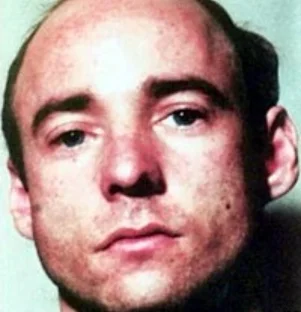
Summary
Name:
Alun KyteNickname:
The Midlands RipperYears Active:
1993 - 1994Status:
ImprisonedClass:
MurdererVictims:
2Method:
StrangulationNationality:
United KingdomSummary: Murderer
Name:
Alun KyteNickname:
The Midlands RipperStatus:
ImprisonedVictims:
2Method:
StrangulationNationality:
United KingdomYears Active:
1993 - 1994Date Convicted:
March 14, 2000“You meet people and have sex with them or a one night stand and you don’t remember it.”
— Alun Kyte
Alun Kyte was born on July 7, 1964, in the village of Tittensor near Stoke-on-Trent, Staffordshire, England. He was raised in Rickerscote, a suburban area of Stafford, where he lived with his parents and two sisters. Those who knew him during childhood described him as growing up in a stable family environment that appeared outwardly ordinary and free from serious domestic problems.
Throughout his early years, Kyte suffered from chronic asthma, a condition that frequently affected his health and required him to keep an inhaler close at hand. Family members reportedly paid considerable attention to his medical needs, and he was often viewed as the child who required the most care within the household. Despite receiving support from his family, he struggled socially and developed a reputation as a solitary individual. He rarely formed lasting friendships and generally preferred spending time alone rather than participating in group activities.
As he entered adulthood, Kyte continued to live a largely isolated existence. Friends and acquaintances later recalled that he would occasionally visit local pubs to play pool, but even in these social settings he remained detached from those around him. He often left abruptly without explanation and rarely established close personal relationships.
After leaving school, Kyte worked a variety of temporary jobs. Rather than settling into a stable career or long-term residence, he adopted a transient lifestyle, moving between hostels, rented rooms, and bed-and-breakfast accommodations across different parts of England. Eventually, he found regular employment as a long-distance lorry driver. The occupation suited his preference for solitude and provided extensive freedom of movement throughout the country.
Investigators later concluded that this itinerant lifestyle enabled Kyte to travel widely without attracting attention. His work routinely took him along major motorway routes throughout the Midlands and beyond, giving him familiarity with service stations, lay-bys, and isolated rural locations. During later investigations, police determined that these travel patterns overlapped with the movements of several vulnerable women involved in prostitution.
Behind his outwardly unremarkable appearance, investigators believed Kyte had developed a growing hostility toward women and a particular fixation on sex workers. While these attitudes remained largely hidden from those around him, evidence presented during later criminal proceedings suggested that he spent considerable time seeking out prostitutes and travelling to areas where they worked. By the early 1990s, this obsession had become a significant part of his private life and ultimately formed the backdrop to the murders that would lead to his conviction.
At the time of the killings, Kyte was living a highly mobile lifestyle, spending long periods on the road while maintaining few meaningful personal relationships.
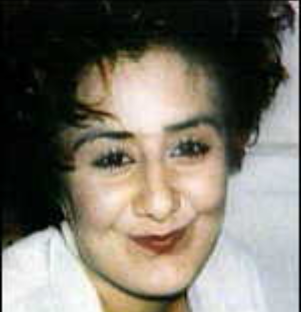
Alun Kyte’s first confirmed murder victim was Samo Paull, a 20-year-old woman from Rowley Regis in the West Midlands. In December 1993, Paull was picked up from the Balsall Heath area of Birmingham. Her body was later found in Leicestershire, near Swinford. She had been strangled and left in a rural location.
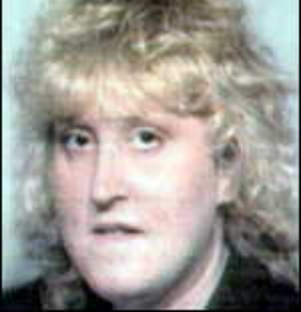
The second confirmed victim was Tracey Turner, a 30-year-old woman from Stafford who was virtually deaf. In March 1994, Turner was believed to have been picked up from the Hilton Park motorway service station on the M6 near Wolverhampton. Her body was later found near Bitteswell, close to Lutterworth in Leicestershire. She had also been strangled, and her clothing had been removed.
The two murders shared several important similarities. Both victims were women involved in sex work, both were taken from areas connected to Kyte’s known movements, both were strangled, and both bodies were abandoned in Leicestershire within a few miles of each other. These similarities helped investigators link the cases, although the investigation initially produced no immediate suspect.
The major breakthrough came after Kyte was arrested for the separate 1997 rape case. DNA taken after that arrest was compared with forensic evidence from Tracey Turner’s body. Experts later told the court that the DNA match strongly linked Kyte to Turner. Prosecutors also presented evidence that Kyte had an unusual interest in sex workers and that he had boasted to fellow prisoners about the killings.
Kyte denied murdering Samo Paull and Tracey Turner. During the trial, he could not provide a clear explanation for the DNA evidence found in the Turner case. He suggested that he may have had sex with Turner at some earlier time and forgotten about it, but the jury rejected his explanation.
On March 14, 2000, at Nottingham Crown Court, Alun Kyte was convicted of both murders and sentenced to life imprisonment. After the trial, police confirmed that they would examine whether he could be linked to other unsolved murders, especially cases involving women whose bodies were found near roads or motorway routes. However, no additional murder convictions followed.
Kyte remained in prison after his murder convictions. In 2023, he was convicted of historic child sexual abuse offences and received a third life sentence.
