
b: 1970
Summary
Name:
Alexander Nikolayevich SpesivtsevNickname:
Novokuznetsk Monster / Siberian RipperYears Active:
1991 - 1996Birth:
March 01, 1970Status:
ImprisonedClass:
Serial KillerVictims:
20+Method:
StabbingNationality:
Russiab: 1970
Summary: Serial Killer
Name:
Alexander Nikolayevich SpesivtsevNickname:
Novokuznetsk Monster / Siberian RipperStatus:
ImprisonedVictims:
20+Method:
StabbingNationality:
RussiaBirth:
March 01, 1970Years Active:
1991 - 1996Date Convicted:
October 27, 1996Imagine a city where survival is so difficult that people simply stop noticing when children go missing. This was the reality in Novokuznetsk, a tough, freezing steel-mining town in Siberia, Russia, during the 1990s.
In 1991, the Soviet Union collapsed. Almost overnight, the country's economy fell apart. Factories closed, people lost their jobs, and families couldn't afford food. Because of this extreme poverty, the streets of Novokuznetsk filled with homeless kids, often called "urchins." Abandoned by struggling parents, these children slept in damp cellars, begged for food at train stations, and sniffed industrial glue just to numb the bitter cold.
Most adults were so focused on their own survival that they ignored these vulnerable kids. The local police treated them like pests rather than children who needed help. In this environment of neglect, a true monster found the perfect hunting ground. His name was Alexander Spesivtsev, and because nobody was looking out for these street kids, he was able to get away with unspeakable crimes for five long years.
Born on March 1, 1970 in the Soviet city of Novokuznetsk, Alexander was a small, fragile, and sickly boy who was constantly bullied at school. At home, things were even worse. His father was a violent alcoholic who regularly abused the family before eventually abandoning them.

Alexander's mother, Lyudmila, loved him very much, but in a deeply unhealthy way. She worked at a local school and the prosecutor's office, but she had a dark obsession with death and violent crime. Instead of reading him normal bedtime stories, she would show young Alexander gruesome photographs of dead bodies from police textbooks. They even shared the same bed until he was 12 years old. This twisted upbringing warped Alexander's mind. To him, violence and cruelty became completely normal.
As he grew up, Alexander’s dark thoughts turned into real-world violence. In 1988, the 18-year-old started dating a 17-year-old girl named Eugenia. At first, he seemed like a normal, sensitive teenager. But when Eugenia tried to break up with him, Alexander snapped.
He kidnapped her and locked her inside his apartment. For a whole month, he tortured her until she tragically died from her severe injuries. Instead of being sent to a normal prison, the courts decided Alexander was mentally unstable and sent him to the Oryol Special Psychiatric Hospital.
While locked up in the hospital, Alexander did the unthinkable. Obsessed with twisted ideas about becoming more "manly," he convinced another patient to perform a crude, unsanitary surgery on him, inserting a solid metal ball directly into his urethra—the tube inside his private parts. The insane stunt went horribly wrong. Instead of making him more manly, it caused agonizing genital pain and permanent erectile dysfunction, meaning his body could no longer physically perform in a sexual or romantic way. This humiliating and permanent injury filled him with absolute rage and a deep hatred for all people, especially women.
In 1991, despite still needing mental help, the hospital let him go. Alexander returned to his mother's apartment in Novokuznetsk. Looking out at the ruined city, he decided he was on a "mission." He hated the new democratic government in Russia and blamed it for all the poverty and homeless children. He convinced himself that these street kids were the "filth" of society, destined to become criminals, and that it was his job to "cleanse" the country by getting rid of them.
To pull off his horrific crimes, Alexander needed help, and he got it from the most unlikely person: his own mother.
As a strange, unsocial 27-year-old man with a mustache and a shifty smile, Alexander stood out. The homeless kids, who had to be street-smart to survive, knew to avoid him. One 11-year-old street kid named Lyosha later remembered how Alexander was always lingering near the train stations, saying, "He came up to me once, but I ran away. He was always around. We all knew what he looked like." Because the children naturally ran from him, Alexander needed someone they would trust.
Lyudmila looked like a sweet, harmless older woman. She would hang around the train stations or places where the street kids played. Carrying heavy grocery bags, she would pretend to be tired and ask the hungry children if they could help her carry her bags home. The promise of food and helping an old lady was an easy choice for the starving kids.
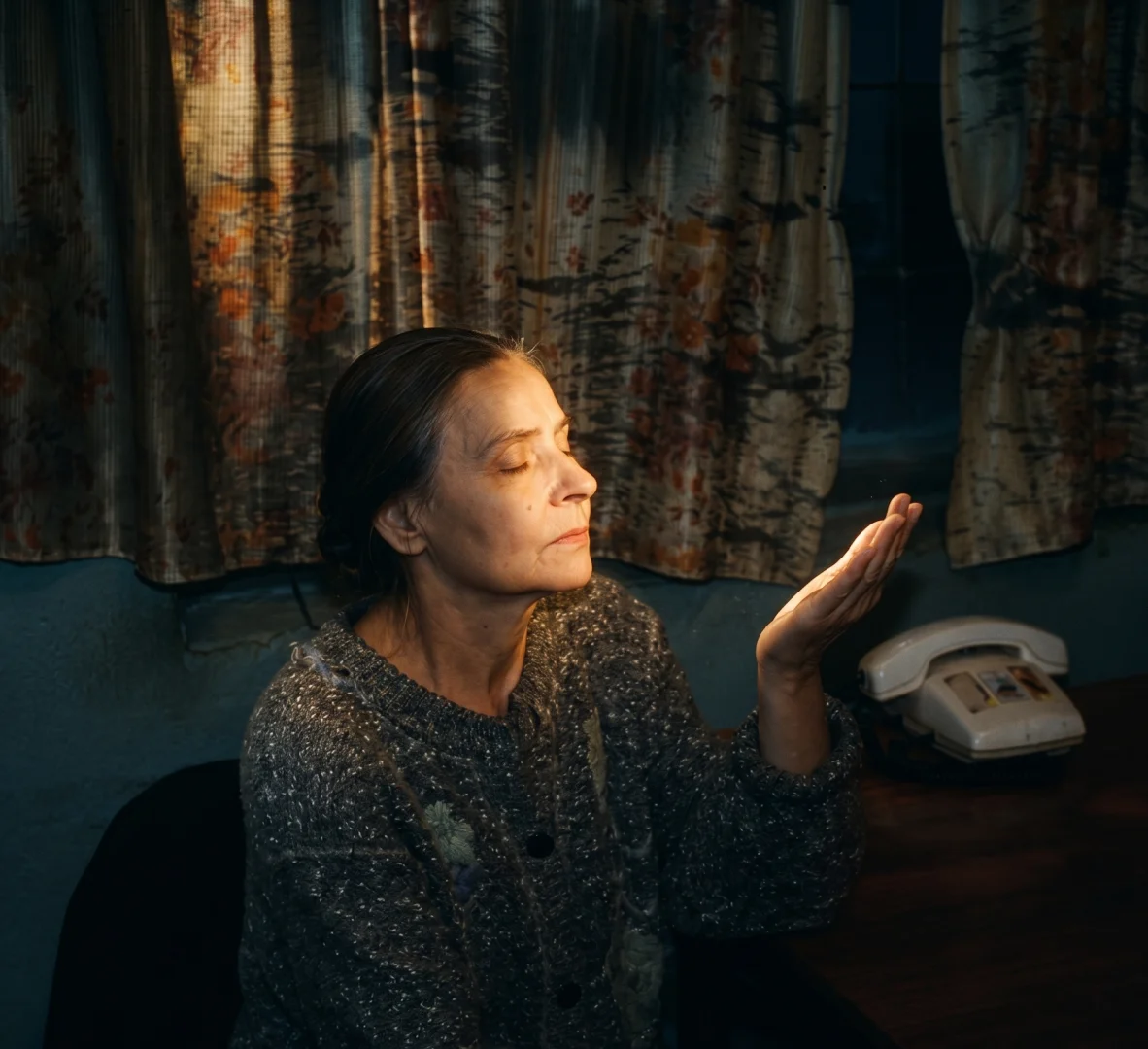
But the moment they stepped inside her apartment, the heavy door locked behind them. Alexander, along with a massive, fierce dog, would ambush them. To make sure none of the neighbors heard the children screaming, Alexander would blast deafening, heavy rock music at all hours of the day and night.
Inside the apartment, he kept his victims locked up in homemade handcuffs, beating and torturing them for weeks. But the most horrifying part was that Lyudmila would help him cook and eat the victims. She would make "meat soups" for dinner, feed the remains to their dog, and even force the surviving captives to eat the terrible meals.
Despite all these horrific events taking place in a crowded apartment building, sadly, the police just didn't care.
People definitely noticed something was wrong. A neighbor named Lidia repeatedly called the police, begging them to check on the apartment. She reported a horrible smell of decay and complained about the endlessly loud rock music. The police ignored her, treating it like a simple noise complaint. They never even bothered to look up who lived there—if they had, they would have seen Alexander's violent history.
In the summer of 1996, body parts began washing up on the muddy banks of the nearby Aba River. Instead of investigating the local neighborhood, lazy detectives blamed mysterious, international organ-smuggling gangs.
The police were so careless that they even mocked the victims' families. In one devastating incident, after the police finally found some remains, they gave a grieving mother the wrong skull to bury. When the mother had to cancel her daughter's funeral at the last minute, the police actually laughed at her.
It didn't help that Alexander's older sister, Nadezhda, was a secretary for a powerful local judge. Even though neighbors saw her visiting the apartment while kids were trapped inside, her connections kept her out of trouble. She was never charged with a crime.
Eventually, Alexander’s reign of terror ended because of a leaky pipe. In October 1996, a water pipe broke in the apartment directly below Alexander’s. When plumbers couldn't get the Spesivtsev family to open their door to fix the leak, they called the police to break it down.
When the police burst in, Alexander instantly ran, escaping over the balcony and fleeing across the rooftops. The police arrested his mother and walked into a nightmare. The apartment was covered in blood. Inside, they found a 15-year-old girl named Olga, who was badly wounded but miraculously still alive.
Olga had been lured into the apartment weeks earlier along with her two 13-year-old friends, Anastasia and Eugenia. Anastasia was killed immediately when she tried to fight back, and Eugenia was murdered shortly after. Olga was forced to endure unimaginable horrors. In her final hours at the hospital, Olga bravely used her last breaths to tell the police exactly what Alexander and his mother had done, ensuring they would be locked away. She died three days later.
Alexander didn't make it far; he was arrested just two days later while trying to attack another woman in her apartment.
When forensic teams searched his home, they found 82 separate sets of blood-stained clothes and around 40 pieces of jewelry. This meant Alexander likely murdered over 80 people. However, the struggling Russian government didn't have the money to pay for expensive DNA testing. Because they couldn't officially identify most of the remains, Alexander was only legally convicted of four murders.
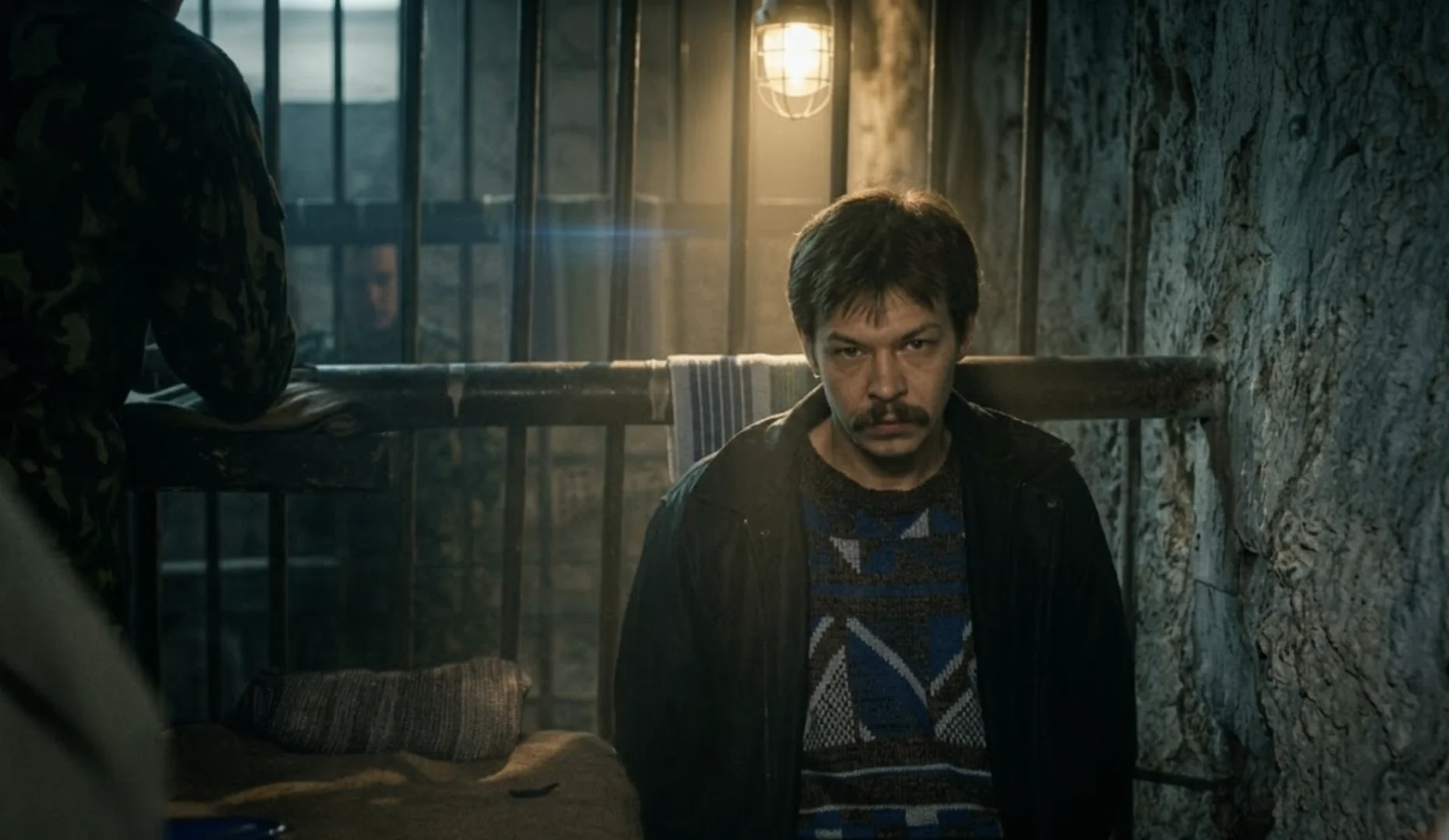
Today, Alexander Spesivtsev is permanently locked away in a high-security psychiatric hospital, where he spends his time writing dark poetry blaming democracy for his crimes. His mother, Lyudmila, was sentenced to prison for her role in the murders. From the moment she was arrested, she stopped talking completely, never saying another word to anyone.
