d: 1998
Summary
Name:
Alexander KuzminykhYears Active:
1998Status:
DeceasedClass:
Mass MurdererVictims:
8Method:
Stabbing / ShootingDeath:
September 12, 1998Nationality:
Russiad: 1998
Summary: Mass Murderer
Name:
Alexander KuzminykhStatus:
DeceasedVictims:
8Method:
Stabbing / ShootingNationality:
RussiaDeath:
September 12, 1998Years Active:
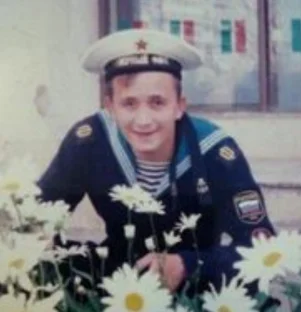
1998Alexander Kuzminykh was a Russian naval conscript born in 1979. Kuzminykh served in Russia’s Northern Fleet, a major naval command based in the Murmansk region. By September 1998, he was assigned to or present aboard the nuclear-powered submarine Vepr, also known as K-157, an Akula-class attack submarine. The vessel was docked at or near Severomorsk, close to Murmansk, when the killings occurred.
Kuzminykh had passed medical and psychiatric screening when he was conscripted through a St. Petersburg enlistment office. He was also reported to have passed additional checks connected to submarine service. Later Russian military commentary suggested that these tests failed to detect serious psychological problems. He had previously suffered from a mental disorder and had inhaled toxic substances.
Shortly before midnight on September 10, 1998, Alexander Kuzminykh escaped from punishment confinement aboard the nuclear-powered submarine Vepr while the vessel was in port near Murmansk. He first attacked the guard watching him. According to later accounts, he killed the guard by stabbing him with a chisel, then seized the guard’s automatic rifle.
After taking the weapon, Kuzminykh moved through the submarine and opened fire on fellow servicemen. He shot five more sailors and then took two additional servicemen hostage. Those two hostages were later killed. In total, eight men died during the incident.
After the killings, Kuzminykh barricaded himself inside the submarine’s torpedo compartment. The situation immediately became a major security emergency because the submarine was nuclear-powered and was docked near other military vessels. Officials stated that there were no nuclear weapons aboard and that the reactor was not operating while the vessel was in port. Even so, the presence of torpedoes and the possibility of fire or explosion created serious fears about a wider disaster.
During the standoff, Kuzminykh threatened to set fire to the submarine and blow it up. Russian authorities cut power to the vessel and moved nearby submarines as a precaution. A special anti-terrorist unit from the Federal Security Service was sent to the base. Senior naval officials also became involved because the incident created both a military security crisis and a possible nuclear-safety emergency.
Authorities attempted to persuade Kuzminykh to surrender. His mother was flown from St. Petersburg to the naval base and tried to convince him to give himself up, but the attempt failed. The standoff lasted about 20 hours.
Early reports conflicted about how Kuzminykh died. Some reports initially stated that he was killed when Russian security forces stormed the torpedo compartment. Later official reports stated that he committed suicide during the operation before officers could take him alive. His death ended the crisis in the early hours of September 12, 1998.
The murders aboard Vepr became one of the most serious violent incidents inside the Russian Navy during the late 1990s. The case drew attention not only because eight servicemen were killed, but also because the killings took place aboard a nuclear-powered submarine. It raised public concern about security, discipline, psychological screening, and the handling of conscripts assigned to sensitive military equipment in Russia’s armed forces.
