1948 - 1979
Summary
Name:
Akiyoshi UmekawaYears Active:
1963 - 1979Birth:
March 01, 1948Status:
DeceasedClass:
MurdererVictims:
5Method:
Stabbing / ShootingDeath:
January 28, 1979Nationality:
Japan1948 - 1979
Summary: Murderer
Name:
Akiyoshi UmekawaStatus:
DeceasedVictims:
5Method:
Stabbing / ShootingNationality:
JapanBirth:
March 01, 1948Death:
January 28, 1979Years Active:
1963 - 1979Akiyoshi Umekawa was born on March 1, 1948, in Otake, Hiroshima Prefecture, Japan. From a young age, he showed a keen interest in reading, particularly enjoying hardboiled fiction, which often dealt with crime and violence. A film that significantly impacted him was "Salò o le 120 giornate di Sodoma."
When he was just 15 years old, on December 16, 1963, he committed his first murder. Even though he was a minor, Japanese juvenile law at the time allowed him to possess firearms. This unique legal situation meant that his past actions were protected from scrutiny. He later expressed a desire to create a major incident 15 years after the first murder.
Akiyoshi Umekawa committed his first murder on December 16, 1963, when he was just 15 years old. He killed one woman. This act would mark the start of his violent criminal life, but he would not commit another murder for many years.
On January 26, 1979, Umekawa entered a Mitsubishi Bank in Sumiyoshi-ku, Osaka. During this incident, he took 40 hostages inside the bank. He shot and killed two bank employees and two policemen. He used a gun during this attack, which escalated into a violent situation.
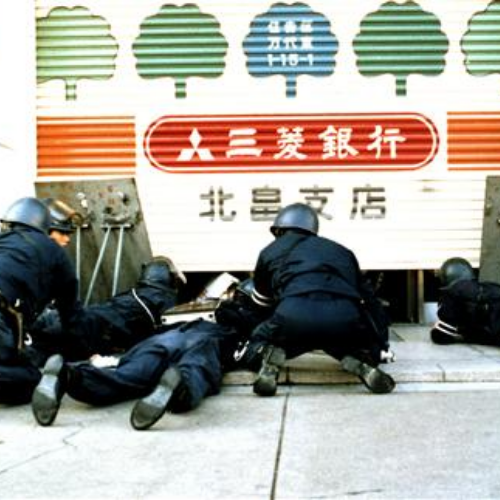
The situation drew the attention of the Osaka armed police, known as the Special Assault Team. This marked a significant event in the history of Japanese law enforcement, as it was the first time armed police were called to respond in such a manner.
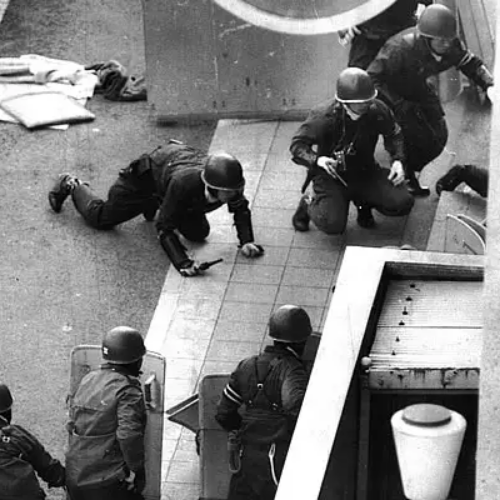
After a few days on January 28, 1979, Akiyoshi Umekawa was fatally shot by the Osaka armed police. His crimes had created a significant impact in Japan, particularly among the youth. Following his actions, media and pop culture referenced his case, reflecting on the events he had caused.
