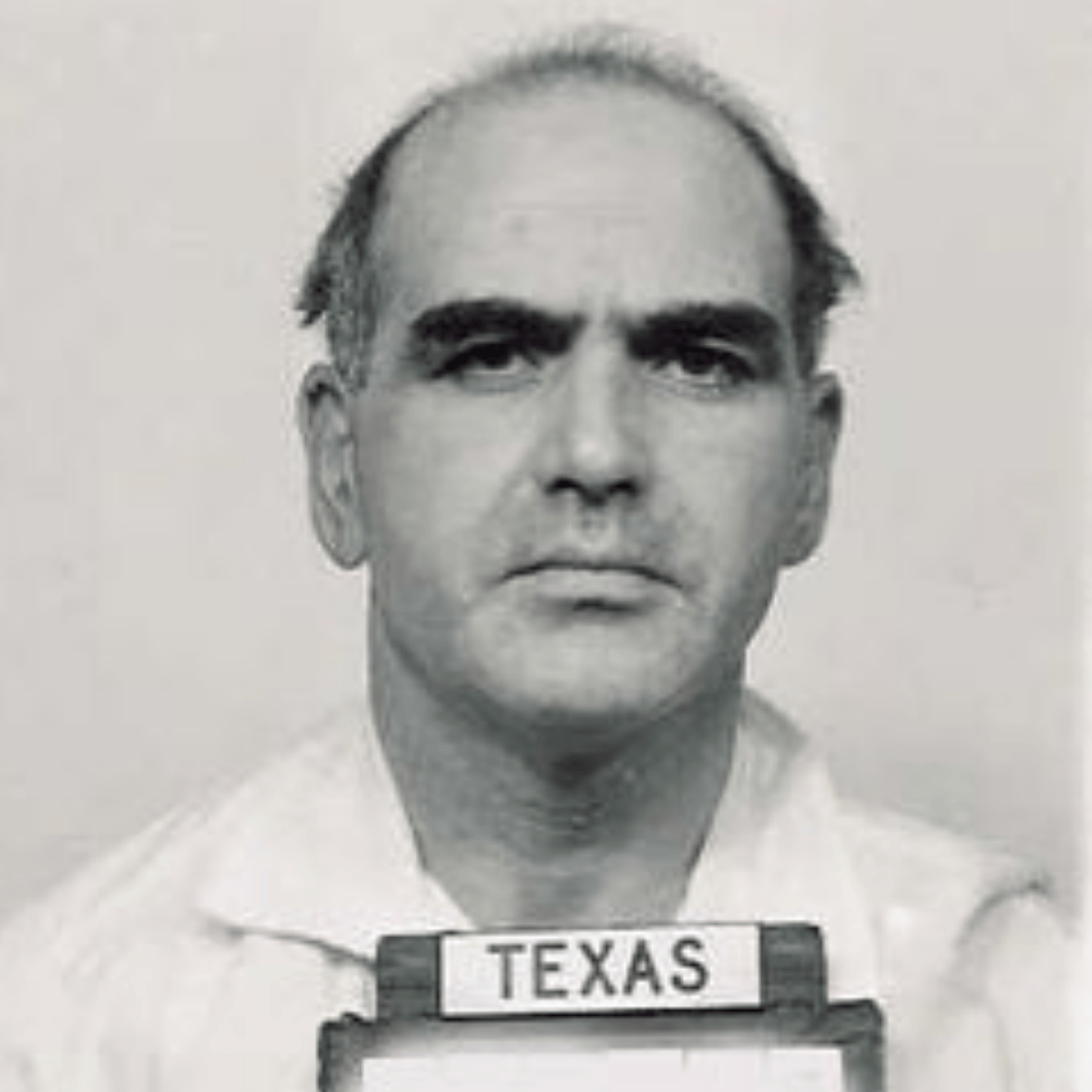
1944 - 2017
Summary
Name:
Abdelkrim BelachhebYears Active:
1984Birth:
November 24, 1944Status:
DeceasedClass:
Mass MurdererVictims:
6Method:
ShootingDeath:
October 19, 2017Nationality:
Morocco1944 - 2017
Summary: Mass Murderer
Name:
Abdelkrim BelachhebStatus:
DeceasedVictims:
6Method:
ShootingNationality:
MoroccoBirth:
November 24, 1944Death:
October 19, 2017Years Active:
1984Abdelkrim Belachheb was born on November 24, 1944, in the rural village of N’Zalat Bni Amar in what was then French Morocco. He was the fourth of eleven children born into a Berber family. His father was a businessman who spent extended periods away from home, leaving Belachheb largely unsupervised during his childhood. Family members later described him as violent and difficult from an early age, frequently engaging in fights with other children and subjected to repeated corporal punishment as discipline.
The family eventually relocated to the city of Fez in an attempt to manage his behavior. Despite the move, Belachheb’s violent tendencies persisted. In June 1963, at the age of 18, he stabbed a man with a pocketknife in Casablanca. He was charged but failed to appear for trial, effectively becoming a fugitive. Shortly thereafter, he left Morocco and began moving across Europe.
Between the mid‑1960s and early 1970s, Belachheb lived in several European countries, including France, Spain, Switzerland, the Netherlands, and Belgium. He struggled to obtain legal employment and was repeatedly arrested, most often for assault. In Belgium, where he settled in 1965, he was imprisoned multiple times and convicted at least once for possession of a prohibited firearm. He also served a two‑year prison sentence in Kuwait for robbery. During this period, he developed a long‑standing alcohol addiction, continuing to drink even while prescribed Antabuse.
In 1967, Belachheb married a Belgian woman, with whom he had two children. The marriage was marked by infidelity and severe domestic violence. On his 35th birthday, enraged over a domestic dispute, he nearly beat his wife to death and struck his daughter when she attempted to intervene. His wife was hospitalized and filed charges, after which Belachheb fled Belgium. He was later convicted in absentia for the assault and faced a two‑year prison sentence.
Despite being a fugitive in both Belgium and Morocco, Belachheb successfully obtained a U.S. tourist visa and entered the United States on April 22, 1981. Evidence later showed he lied to U.S. consular officials about his residence, criminal history, and mental health. After illegally seeking work, he married an American citizen, which granted him permanent resident status on January 16, 1984. His marriage was also abusive, marked by threats and violence. By mid‑1984, Belachheb was unemployed, socially isolated, and increasingly hostile toward American women, whom he blamed for his personal failures.
Shortly after midnight on June 29, 1984, Abdelkrim Belachheb carried out a mass shooting at Ianni’s Restaurant and Club, a bar in Dallas, Texas. Witnesses later testified that Belachheb had been arguing with a woman on the dance floor when she shoved him away and insulted him. Belachheb responded by blowing her a kiss and calmly leaving the bar.
Moments later, Belachheb returned armed with a Smith & Wesson Model 459 semi‑automatic handgun, which he retrieved from his car. Approaching the woman, he told her, “I’ve had enough with you,” and shot her at point‑blank range. He then walked methodically down a row of bar stools, shooting patrons seated along the bar. After briefly exiting the building, he returned and shot another man before fleeing the scene, firing at a seventh victim as he escaped.
Five victims died instantly at the scene. The woman Belachheb initially targeted died while being transported to Parkland Memorial Hospital. One additional victim survived but was left severely injured. Three of the six victims were shot execution‑style, with the gun pressed directly against their heads. The victims—four women and two men—ranged in age from 32 to 49.
Belachheb was described as calm and deliberate throughout the attack. After fleeing the bar, he crashed his car into a telephone pole, which led police to identify the vehicle. Less than two hours later, officers arrested him at a friend’s house approximately three miles from the crash site.
Belachheb was initially charged with a single count of murder and held on a $500,000 bond. Within days, prosecutors filed five additional murder charges and one count of attempted murder. He entered a plea of not guilty by reason of insanity, with defense experts claiming he suffered from paranoid schizophrenia or a seizure during the shooting. Other psychiatric testimony rejected these claims, concluding he was sane and capable of understanding his actions.
Under Texas law at the time, multiple murder alone was not a capital offense, which prevented prosecutors from seeking the death penalty. In 1985, Belachheb was convicted and sentenced to six consecutive life sentences for the murders, along with 20 additional years for attempted murder and fines totaling $80,000.
Belachheb later expressed surprise at his sentence, believing he would be released. He became eligible for parole in 2004 but was never granted release. His appeals were denied.
The case triggered widespread criticism of U.S. immigration screening procedures, as Belachheb had entered the country despite an extensive history of violence and criminal convictions abroad. Media investigations and lawsuits followed, though no major policy changes resulted directly from the litigation.
Belachheb died of natural causes in prison on October 19, 2017, at the age of 72.
